
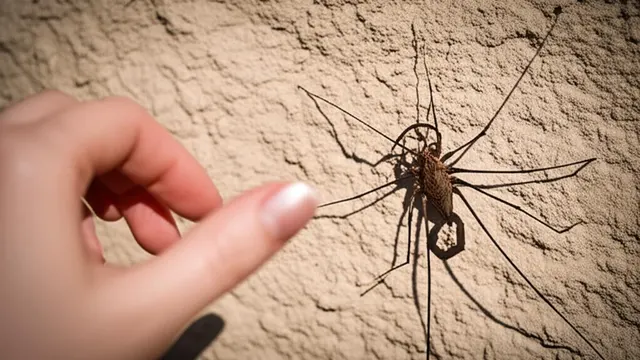
Have you ever stepped into a damp, dark corner of your garden, garage, or bathroom and spotted a strange, dark creature with a long tail? When you first look at it, your heart might skip a beat. It looks remarkably like a scorpion, but something about it feels a little different. Many people feel an immediate wave of panic and fear when they encounter this unusual visitor.
Before you grab a broom or panic, take a deep breath. Do you actually need to be afraid of this creature? Today, we are taking a close look at whip scorpions to answer that exact question. Once you read this guide, all your worries about this misunderstood animal will melt away.
Key Takeaways About Whip Scorpions
- Whip scorpions are not true scorpions and completely lack a venomous stinger.
- Their primary defense mechanism is spraying a vinegar-like acetic acid mixture when threatened.
- They act as natural pest controllers by eating cockroaches, termites, and crickets around your home.
- If you get their defensive spray on your skin or eyes, simple washing with soap and water resolves the issue quickly.
- The best approach when you see one is to leave it alone so it can quietly help clear out pests.
Know your body mass index (BMI) and weight classification
Who Are Whip Scorpions?
First and foremost, you need to know that this creature is not a true scorpion. Also, unlike the scorpions you might already know, they do not possess a venom-filled stinger at the tip of their tail. However, they do belong to the massive animal group called arachnids, which also includes spiders and ticks. Scientists classify them within the biological order known as Thelyphonida.
So, why do people call them whip scorpions? The answer lies right at the back of their body. They possess a long, thin, thread-like tail that looks remarkably like the lash of a whip. Combined with their overall scorpion-like silhouette, this distinct tail earned them their common name.
Interestingly, these animals also carry another popular nickname: vinegaroons. This name comes from a very specific defense mechanism. When a whip scorpion feels threatened or scared, it sprays a sharp-smelling liquid that contains acetic acid, which is the main chemical compound found in household vinegar. This pungent spray serves as their primary shield against potential predators.
Appearance and Life Cycle
A typical adult whip scorpion measures about five centimeters in body length, though this measurement excludes their long tail. When you examine their face, you will notice they have eight eyes in total. They possess two eyes near the front of their head and three smaller eyes grouped on each side. Despite having so many eyes, their eyesight is actually very poor.
Because their vision is weak, they rely heavily on their environment to navigate. They use their long, thin front legs to explore their surroundings. These specialized front legs act very much like sensory antennae. Also, the long tail at their rear also functions as a sensitive organ to help them detect movement and vibrations.
Whip scorpions have a relatively long lifespan, often living between ten and twenty years in the wild. During the breeding season, the female lays anywhere from thirty-five to seventy eggs. After the tiny babies hatch, they cling safely to their mother and stay sheltered inside an underground burrow until they complete their very first molt.
These fascinating creatures are strictly nocturnal hunters. They prefer to come out under the cover of darkness to search for food. Their diet primarily consists of bothersome insects like cockroaches, termites, and cicadas. This means that whip scorpions actually act as helpful garden allies that naturally control household pests for you.
Are They Actually Dangerous? Let Us Look at the Facts
Now, let us address the most important question on your mind. Do these creatures pose any real danger to human beings or your household pets?
The short and reassuring answer is a clear no. If you simply leave whip scorpions alone, they will not cause any harm to you, your family, or your pets.
There are no documented cases of whip scorpions biting humans in a harmful way, and they carry zero venom. However, if you attempt to pick one up or frighten it, the animal may use two distinct defensive tactics:
1. Spraying Acetic Acid: The liquid they spray is slightly stronger than the standard vinegar you use in your kitchen. If this spray touches your bare skin, you might feel a mild stinging sensation. If it accidentally gets into your eyes, it will sting quite sharply.
2. Pinching with Pedipalps: Their front pincers, scientifically known as pedipalps, are quite strong. They use these powerful appendages to crush their insect prey. If you corner one or try to grab it, they might pinch you in self-defense. However, this pinch rarely breaks the skin, and more importantly, it contains no venom whatsoever.
To help you clearly understand the differences, let us compare whip scorpions directly with true scorpions.
| Feature | Whip Scorpion (Vinegaroon) / True Scorpion |
|---|---|
| Venomous Stinger | Whip Scorpion (Vinegaroon): None. Their tail is a thin, harmless thread. True Scorpion: Yes. They carry a venomous stinger at the tail tip. |
| Venom Toxicity | Whip Scorpion (Vinegaroon): Completely non-venomous. True Scorpion: Most species carry venom, and some are dangerous. |
| Primary Defense | Whip Scorpion (Vinegaroon): Spraying a vinegar-like defensive liquid. True Scorpion: Stinging with their tail and using pincers. |
| Risk to Humans | Whip Scorpion (Vinegaroon): Extremely low. Virtually harmless. True Scorpion: Certain species require immediate medical attention. |
What to Do If a Whip Scorpion Sprays Fluid on You
Imagine you accidentally startled a whip scorpion, and it released its defensive spray onto your skin. First of all, try to remain calm. There is absolutely no need to panic because the liquid is not poisonous.
Follow these simple first aid steps to take care of the area:
- If the fluid touches your skin: Wash the affected area thoroughly using clean water and mild soap. This removes all traces of the acetic acid right away.
- If the fluid gets in your eyes: If you touched your skin and then rubbed your eye, you might experience irritation. Right away flush your eye with plenty of clean, running water for several minutes.
- When to seek medical guidance: Normally, the spray causes only temporary irritation and mild discomfort. However, if skin redness persists or if eye irritation does not improve after thorough rinsing, you should consult your doctor.
Remember that this fluid is not a toxin or a systemic poison, so your body will recover rapidly once the area is cleaned.
How to Manage Whip Scorpions Around Your Home
If you spot these creatures in your garden, around your firewood pile, or underneath large rocks, it simply means that the local environment provides the damp, dark conditions they love. However, seeing them outdoors is entirely normal and rarely requires intervention.
The best approach is simply to leave whip scorpions alone. They will not hunt you down or bother you. Instead, they will quietly hunt down cockroaches, termites, and other pests around your yard.
Standard household pesticides usually have little effect on these resilient arachnids. If you truly wish to discourage them from coming near your living spaces, focus on natural exclusion methods. Seal gaps under doors, repair broken window screens, and manage indoor moisture levels. Also, reducing food sources like indoor cockroaches will naturally cause them to look elsewhere for sustenance. If you ever feel you need professional removal, you can contact a local pest control expert.
When to Seek Emergency Medical Attention
While whip scorpions are entirely non-venomous, always remain cautious if you are unsure what insect or arachnid stung or bit you. If you experience severe allergic reactions, severe breathing difficulties, widespread swelling, dizziness, or chest tightness, call 911 (US/Canada), 999 (UK), or go to your nearest Emergency Department (ER / A&E) right away.




No comments yet. Be the first to share your question or experience below.