
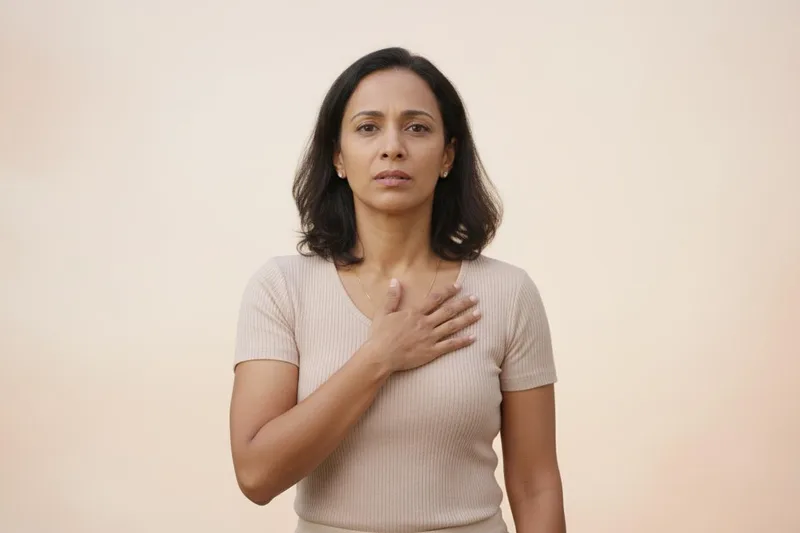
You know, we often think of heart disease as a disease that mostly affects men. But that's not the truth. Cardiovascular disease (CVD) is a silent killer among women. Sometimes we don't even notice the symptoms, or we don't pay much attention to it. That's why it's so important to be aware of it. Heart disease is the leading cause of death in the world. Just think, in 2019 alone, nearly 18 million people died from it. Many people don't know that heart disease is also the leading cause of death in women.
What are the differences in the cardiovascular systems of women and men?
Think about it, there are subtle differences in the way our bodies are made. These are the things that make some diseases affect women and men differently. The same is true when it comes to cardiovascular disease. Researchers have found several differences in the cardiovascular system based on gender. These are very complex, sometimes microscopic differences. These differences can cause women to experience heart disease differently than men. Let's look at a few examples:
- Anatomy: Women's blood vessels and heart chambers are smaller than men's. The walls of the heart's ventricles (the chambers that pump blood) are also slightly thinner.
- Blood count: Women have fewer red blood cells, which means they can carry less oxygen at a time.
- Cardiovascular adaptations: Women's bodies are more sensitive to changes in altitude (such as climbing a hill) or getting out of bed suddenly, which can cause a sudden drop in blood pressure.
- Hormones: Women typically have higher levels of the hormones estrogen and progesterone, while men have higher levels of testosterone. These hormones affect heart health and overall health in many ways.
How do you know if a woman has heart disease?
Women typically develop heart disease symptoms about 10 years later than men. While many of the causes and symptoms are common, there are some specific differences between women, especially when it comes to heart attacks and heart failure. It's important to be aware of these.
Symptoms of a heart attack in women
Chest pain or discomfort is the main symptom for everyone. But women are more likely to have other symptoms in addition to (or instead of) chest pain. They are also at higher risk of having a ``silent heart attack`` . This is when a heart attack goes undiagnosed. Women over the age of 65 are also more likely to die from a silent heart attack than men of the same age.
Women have reported a variety of symptoms during a heart attack. These pains and discomforts can be felt in the following areas:
- Chest (most often)
- Left breast
- Between the spine or shoulder blades
- Neck or throat
- Jaw or teeth
- Hands (one or both)
- Shoulders
- Legs (one or both)
In addition to this, women may also experience other symptoms such as:
- Unusual fatigue (most common)
- Difficulty breathing
- Dizziness or fainting
- Feeling hot or flushed face
- Indigestion
- Heart palpitations
- Numbness in hands or fingers
- Nausea or vomiting
- Appetite
- New changes in vision
- Headache
- Cough
- Feeling of tightness in the throat
Most importantly: If you experience any of these symptoms, especially more than one, for no apparent reason, call 911 immediately or go to the emergency department of your nearest hospital. A heart attack damages the heart muscle. The damage increases with every passing minute. So don't delay in calling.
Early warning signs of a heart attack in women
Many women experience prodromal symptoms before a heart attack. These can occur hours, weeks, or even months in advance. The most common early warning sign is unusual fatigue. If you are feeling tired and can't find another reason for your fatigue, it's best to see a doctor.
In addition to fatigue, these symptoms can also precede a heart attack:
- Anxiety
- Frequent indigestion
- Heart palpitations
- Changes in thinking or remembering (not as usual, feeling foggy)
- Appetite
- Difficulty breathing at night
- Insomnia
- Numbness in the hands or arms
- Numbness or tingling in the hands or fingers
- Cough
- Frequent or severe headaches
- Chest pain or discomfort
- Jaw or tooth discomfort
- Weakness or heaviness in the arms
These early symptoms may appear and disappear on their own. Many people wait until symptoms persist or until someone else notices them. But don't wait. Seek help as soon as you notice any unusual symptoms.
Heart Failure in Women
Heart failure is a chronic condition in which the heart is unable to pump blood efficiently. This causes fluid to build up in the body (sometimes causing symptoms such as swelling and weight gain) and worsens over time. It affects both men and women equally. However, the causes and symptoms may differ depending on the gender. Here are some of the findings from research:
- Diastolic Heart Failure (heart failure in which the heart's contraction process is normal, but it has difficulty filling with blood - with preserved ejection fraction) is more common among women.
- Causes of heart failure in women include high blood pressure (Hypertension), heart valve disease, diabetes, and coronary artery disease. High blood pressure and valve disease are more likely to cause heart failure in women. The most common cause in men is coronary artery disease.
- Heart failure is more common in women due to stress-induced heart muscle weakness (`Stress Cardiomyopathy` or `Broken Heart Syndrome`).
- Women are at higher risk of developing symptomatic heart failure after a heart attack.
- Compared to men, women with heart failure are more likely to report a lower quality of life and depressive symptoms.
Symptoms of heart failure in women
The symptoms of heart failure are generally the same for everyone, but research shows that women are more likely to experience these:
- Difficulty breathing with physical activity
- Difficulty exercising
- Swelling (`Edema`)
Women usually develop symptoms at an older age and are also more likely to develop a heart rhythm disorder called `Left Bundle Branch Block` (which can be a result of heart failure).
What are the risk factors for heart disease in women?
Traditional heart disease risk factors, such as high cholesterol and high blood pressure (BP), affect everyone, regardless of gender. However, research has found that these risk factors also differ by gender. In addition, there are risk factors and conditions that are specific to women.
- High Cholesterol: High cholesterol (hyperlipidemia) is a risk factor for everyone, but low levels of 'good' cholesterol (HDL cholesterol) can be more dangerous for women aged 65 and older than men.
- Diabetes Mellitus: Women with diabetes are two to four times more likely to develop cardiovascular disease than men with diabetes.
- High blood pressure (Hypertension): Women over 60 are more likely to develop high blood pressure (Hypertension) than men, but are less likely to have it under control. There are several reasons for this:
- Response to treatment: Women are more likely to experience adverse drug reactions (ADRs), so it can be difficult to find and stick to a treatment plan that works for you.
- Sodium sensitivity: After menopause, your body becomes more sensitive to sodium. This means you need to reduce the amount of sodium (salt) in your diet even more to prevent high blood pressure (BP).
- Menopause: The hormone estrogen helps reduce the risk of cardiovascular disease. However, natural menopause or surgical removal of the ovaries can lower your estrogen levels , putting you at higher risk of blood clots, atherosclerosis, and high cholesterol.
- Obesity: As you go through menopause, you are at higher risk for obesity - a body mass index (BMI) of over 30. You may also gain belly fat (abdominal fat). Research shows that this increases your risk of heart disease. Obesity is more dangerous for women than for men (the risk of coronary artery disease increases by 64% for women and by 46% for men). Women are about three times more likely to have heart disease due to obesity.
- Lack of exercise: Exercise appears to reduce women's risk of heart disease more than men's. But many women don't exercise enough.
- Smoking: Women who smoke are more likely to develop cardiovascular disease (CVD) than men who smoke, and are three times more likely to have a heart attack.
- Autoimmune diseases: Women account for 80% of people with autoimmune diseases like rheumatoid arthritis and lupus. These diseases greatly increase the risk of heart attack, heart failure, and other cardiovascular problems.
- Preeclampsia and pregnancy-associated hypertension: Preeclampsia greatly increases the risk of developing hypertension and/or diabetes later in life. It also increases the risk of stroke. A person diagnosed with preeclampsia is 75% more likely to die from cardiovascular disease in the future.
- Gestational Diabetes: A diagnosis of gestational diabetes increases the overall risk of developing diabetes throughout life. It also increases the risk of cardiovascular disease throughout life.
- Peripartum Cardiomyopathy (also known as Postpartum or Pregnancy-associated Cardiomyopathy): This is a condition in which the heart weakens and can progress to heart failure. This can lead to serious complications and even death.
- Polycystic Ovary Syndrome (PCOS): PCOS increases the risk of cardiovascular disease. People with PCOS may have individual risk factors such as diabetes, high blood pressure, high cholesterol, and sleep apnea.
- Oral contraceptive therapy (or 'the pill'): Taking 'the pill' may increase your risk of cardiovascular disease if you have other risk factors, such as obesity or smoking.
How do tests and treatments for heart disease differ in women?
There are also some differences in testing and treatment depending on gender. For example:
- Sometimes, instead of having a large fatty layer (plaque) in an artery (obstructive coronary artery disease), there may be a thin layer of fat inside the artery. This is more common in women. A coronary angiogram does not always detect this type of fatty layer. So, if you have symptoms and the test results are positive, you may need to have more tests to find the cause of your symptoms.
- Women are more likely to be intolerant to a type of medication called an ACE inhibitor.
- Statins lower everyone's cholesterol levels, but women are more likely to experience side effects. However, actual side effects from statins are very rare, even among women.
Important: It's important to talk to your doctor about your risks, symptoms, test results, and responses to medications. Individual differences, such as our personal medical history and social environment, can sometimes be more important than gender-based differences.
Can women prevent heart disease? How?
Simply put, yes! The most important thing you can do is to know what your risk factors are and try to change them. The more risk factors you have, the more likely you are to develop heart disease.
Think of heart disease risk factors as being like the risk of a flat tire on a car. If you go over one nail, the tire might go flat after a short distance. But you can get to the repair shop before all the air is gone. But if you go over three or four nails, the tire will go flat before you get to the shop, and you'll have to call for help.
Similarly, if you have one of the risk factors for heart disease, you may be fine for a while. But as they increase, you are more likely to face serious problems sooner.
To avoid a flat tire, you can avoid sharp objects when you see them. Speaking of heart disease, research shows that 4 out of 5 cases of heart disease are preventable! That's why it's important to know what you're at risk for and work with your doctor to avoid as many accidents as possible.
Here are some specific things you can do:
- See your doctor for annual physical exams.
- Work with your doctor to control your blood pressure, cholesterol, and blood sugar levels. This may include taking medication.
- Create an exercise plan that works for you. Gradually build up to 150 minutes of moderate-intensity exercise (like walking) per week.
- Avoid tobacco products and limit alcohol.
- Follow a heart-healthy eating plan.
When thinking about heart-healthy foods, remember these simple steps:
- Plan: Write down your food goals, seek advice from a doctor or nutritionist. Write down the foods you want to eat more often, and the foods you want to reduce or eliminate.
- Pick: Choose your favorite recipes and plan your meals for the week. Make a grocery list and buy from that list. If you prefer to eat out, create your own personalized menu with heart-healthy options and choose only from those.
- Portion: Even good food can be unhealthy when consumed in large quantities. Be mindful of the portion size you eat.
- Enjoy!: Eating a heart-healthy diet should be enjoyable. If you don't like the food you're making, find new recipes. Ask your friends. Remember, finding a balance in the long run is more effective than making strict rules. Talk to your doctor about ways to enjoy your favorite foods in moderation, even if they're on the "not heart-healthy" list.
If you have risk factors for heart disease, or a history of heart disease, you're not alone. Millions of people live with these conditions. Every 40 seconds, someone has a heart attack. These statistics may seem scary, but knowing this can give you the power to make changes. Research shows that 4 out of 5 cases of heart disease are preventable.
This isn't something you can do alone. Everyone lives in a neighborhood that influences things like what they eat, how much exercise they do, and how much stress they experience. Personal choices alone don't tell the whole story. But choices, especially when supported by the right resources, can make a big difference. Talk to your doctor about what you can do to help your heart health.
Final Take-Home Message
Okay, so you can remember some of the most important things from what we've talked about.
- The way women develop cardiovascular disease (`Cardiovascular Disease`) and the symptoms may be different from those of men. So don't easily think, 'This can't be heart disease.'
- Be aware of unusual fatigue, shortness of breath, chest pain, and other strange symptoms. Seek medical attention immediately, especially if you have more than one of these.
- Be aware of your risk factors (e.g. high blood pressure, cholesterol, diabetes, family history, menopause, PCOS) and talk to your doctor about how to manage them.
- A healthy lifestyle (good diet, exercise, and avoiding smoking) is one of the best weapons to prevent heart disease.
- You are not alone. Ask for help, ask questions, and take responsibility for your health.
` Heart disease, women's health, heart attack, heart failure, risk factors, symptoms, prevention


💬 Comments (0)
No comments yet. Be the first to share your thoughts here.
Add Your Comment