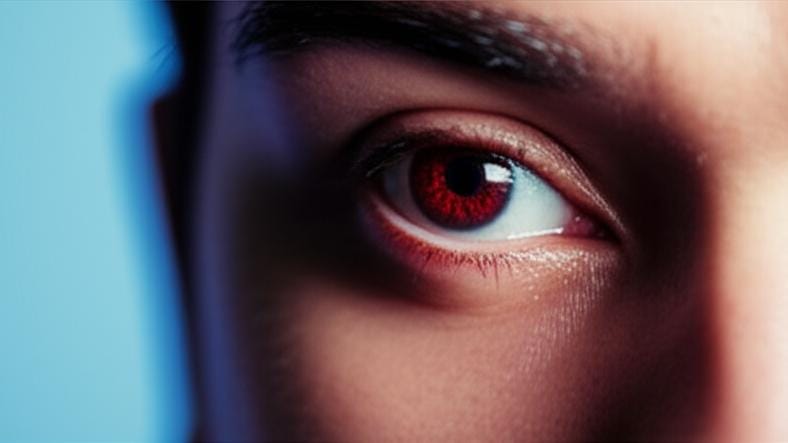
Have you ever experienced redness, pain, or a sudden blurriness in your vision? Perhaps you have noticed small specks or “floaters” drifting across your field of view? While we often ignore these mild symptoms, they could be indicators of an underlying inflammation inside your eye. This condition is known as Uveitis, and it is something you should take seriously to protect your long-term eye health. At Nirogi Lanka, we believe staying informed is your first step toward effective care.
What is Uveitis? Let’s make it simple!
Simply put, Uveitis is an inflammation or swelling of the uvea, the middle layer of your eye. Think of your eye as a camera; the uvea is a critical component of that camera. Sometimes, this inflammation happens for no apparent reason—a condition we call idiopathic. Other times, it is a direct consequence of an underlying health condition.
This condition can affect one specific part of the eye or multiple areas simultaneously. Symptoms often depend on the location and severity of the inflammation, ranging from eye pain, redness, and burning sensations to significant vision impairment. It can occur in one eye or both eyes at the same time.
Remember, there is very little room inside your eye. Even a minor amount of swelling can alter the shape of the eye, which is vital for clear vision. Consequently, even small changes can significantly affect your ability to see clearly.
In severe cases, if left untreated, Uveitis can lead to permanent vision loss or even blindness. Please do not dismiss these symptoms as minor irritations.
How common is Uveitis?
Uveitis is more common than you might think. Globally, approximately 4 million new cases are diagnosed annually. Even in countries like the United States, between 80,000 and 168,000 cases are reported every year.
It is most frequently diagnosed in adults, and the risk generally increases with age. While it is less common in children, they account for approximately 2% to 20% of total cases.
What are the symptoms of Uveitis?
Symptoms depend heavily on which part of your eye is inflamed. Specialists generally categorize Uveitis into three main types: anterior (front), intermediate (middle), and posterior (back). When all layers are affected, it is called panuveitis.
Symptoms of Anterior Uveitis
Anterior uveitis is the most common form. It primarily affects the iris (the colored part of the eye) and the ciliary body. Symptoms are often visible to you or those around you, including:
- Severe eye pain: Often sharp or intense.
- Eye redness or burning: A persistent irritated or bloodshot appearance.
- Blurred vision: A noticeable decline in clarity.
- Sensitivity to light (photophobia): Finding it difficult to tolerate bright lights.
- Swelling of the conjunctiva: The white part of your eye may look inflamed.
- Irregular pupil shape: The normally round pupil may change appearance.
- Hypopyon: The appearance of a white fluid collection or a ring-like white deposit around the iris.
Symptoms of Intermediate and Posterior Uveitis
In intermediate and posterior uveitis, symptoms are often less visible to others. Instead, they directly impact your visual experience.
- Increased floaters: Small specks or webs drifting in your vision that become more prominent.
- Visual field defects:Blind spots or missing areas in your vision.
- Reduced vision.
What causes Uveitis?
Uveitis can be triggered by many factors. Surprisingly, in 50% to 70% of cases, ophthalmologists cannot pinpoint an exact cause; this is termed idiopathic uveitis.
However, known causes include:
- Infections
- Systemic health conditions
- Eye injuries
- Certain medications
1. Infections
Infections involve germs invading the eye. Infectious uveitis typically affects one eye. Potential pathogens include:
- Viruses: Herpes Simplex Virus (HSV), Varicella-Zoster Virus (responsible for chickenpox and shingles), and Cytomegalovirus (CMV). Even preventable viruses like rubella can be a cause.
- Bacteria: Bacteria linked to syphilis or tuberculosis.
- Fungi: Candida (causing candidiasis) or Aspergillus (causing aspergillosis).
- Parasites: Often transmitted via pets, such as Toxoplasmosis (from infected cat feces) or Toxocariasis (from dogs). Consuming undercooked pork can also lead to cysticercosis or toxoplasmosis.
2. Systemic causes
Sometimes, uveitis is not an isolated eye issue but a sign of a larger, body-wide health problem or a medication side effect. In these instances, it frequently affects both eyes.
Common autoimmune and inflammatory conditions include:
- Inflammatory Bowel Disease (IBD)
- Sarcoidosis
- Behçet’s disease
- Systemic Lupus Erythematosus (SLE)
- Tubulo-interstitial nephritis (TINU)
Individuals with a specific genetic marker called HLA-B27 also face a higher risk of developing joint inflammation associated with uveitis. If you experience sudden, severe eye pain or vision loss, please seek emergency medical attention immediately at your nearest emergency department.
- Juvenile Idiopathic Arthritis
- Ankylosing Spondylitis
- Psoriatic Arthritis
- Axial Spondyloarthritis
- Enteropathic Arthritis
- Reactive Arthritis
3. Injuries
An eye injury can damage the muscles and/or blood vessels within the uvea. When you suffer an injury, your body naturally uses inflammation as a healing process. For this reason, uveitis can sometimes develop following eye surgery.
Even minor structural changes within the eye or inflammatory responses can trigger symptoms of uveitis. The severity of your symptoms will depend on the location and the nature of the injury.
4. Medications
Certain medications may increase your risk of developing uveitis. Examples include:
- Cidofovir
- Rifabutin
- Bisphosphonates
- Brimonidine eye drops
- Tyrosine Kinase Inhibitors
Is it contagious?
Uveitis itself is not contagious; you cannot catch it from another person. However, the underlying infections that may trigger it (such as certain viruses or bacteria) can be transmissible. Additionally, you should be mindful of zoonotic diseases—illnesses spread from animals to humans, such as toxoplasmosis—which can also lead to this condition.
What are the complications of Uveitis?
The most serious and significant complication of uveitis is vision loss and blindness. This occurs because the inflammation causes structural changes within your eye. Some of these potential complications include:
- Cataracts
- Cystoid Macular Edema (fluid buildup in the macula)
- Detached retina or retinal damage
- Glaucoma (nerve damage caused by increased eye pressure)
- High intraocular pressure
- Macular pucker (epiretinal membrane)
- Optic nerve swelling and damage
- Synechiae (where the iris sticks to the lens or the cornea)
How is Uveitis diagnosed?
An ophthalmologist is the best person to diagnose uveitis. They will ask you about your symptoms, your medical history, and any recent infections or injuries. They will perform a thorough eye examination and may use specialized tests to confirm the condition.
The diagnostic process typically begins with a visual acuity test and a slit lamp exam. Your doctor may also perform tonometry to measure your eye pressure and an Optical Coherence Tomography (OCT) scan to look for changes in the back of your eye.
Depending on your symptoms and suspected causes, further tests may be required, such as:
- Blood tests: These help identify underlying infections, signs of autoimmune activity, or other systemic health conditions.
- Imaging scans: A chest X-ray or an MRI of the brain may be performed to check for issues elsewhere in your body. In some cases, a specialized dye like fluorescein is injected into your bloodstream to highlight the blood vessels in your eye. These patterns provide your doctor with vital clues about the cause of your uveitis.
Because diagnostic steps vary based on your individual symptoms and health history, your ophthalmologist is the best person to explain exactly which tests you need and why.
How is Uveitis treated?
Because there are many potential causes for uveitis, treatment plans are highly personalized. While there is no single "cure" for all cases of uveitis, treating the underlying condition often resolves the inflammation. If no specific cause is identified, your ophthalmologist will focus on standard management to reduce inflammation, manage pain, and prevent vision loss.
Treatment approaches generally focus on:
- Pain control: Because uveitis can be painful, your doctor may prescribe cycloplegics—medicated drops that temporarily relax the iris muscles to relieve discomfort.
- Inflammation reduction: Steroids and non-steroidal anti-inflammatory drugs (NSAIDs) are commonly used to bring down inflammation and ease symptoms.
- Condition-specific treatments: For example, antiviral medications are used if the cause is viral, whereas these would not be effective for bacterial, fungal, or parasitic infections.
Your ophthalmologist will discuss the best treatment options tailored specifically to your case.
Can Uveitis be prevented?
Unfortunately, uveitis cannot always be prevented. Many triggers occur unexpectedly or are not yet fully understood by medical science. However, you can take steps to reduce your risk:
- Schedule regular eye exams to detect problems early (annually, or more frequently if you have a condition that requires closer monitoring).
- Wear proper eye protection to prevent injuries or minimize their severity.
- Seek medical attention promptly if you have an infection, to prevent it from worsening or spreading.
What can I expect if I have Uveitis?
Your journey with uveitis depends on several key factors, including:
- How quickly you receive a diagnosis and start treatment.
- The specific part of theeye that is affected.
- The underlying cause (if identified by your doctor).
- Your overall health and any other medical conditions you may have.
Because these factors vary from person to person, your ophthalmologist is the only one who can provide an accurate prognosis for your specific situation. They can guide you through what to expect, how to manage your condition, and how to protect your vision. If you experience sudden, severe vision changes, please visit your nearest emergency department immediately.
What is the outlook for Uveitis?
Uveitis is a significant cause of vision loss and legal blindness. In countries like the United States, it is estimated that about 10% of cases of legal blindness are linked to uveitis or its complications. Delays in diagnosis and treatment significantly increase the risk of poor outcomes. That is why it is crucial not to ignore symptoms or try to “tough it out” if you suspect you have uveitis.
When identified and treated early, the risk of long-term vision problems is greatly reduced. Early intervention gives you the best chance at a full recovery and helps you avoid permanent vision impairment.
How can I manage my condition?
If you have been diagnosed with uveitis, your ophthalmologist will provide a personalized treatment plan. Following your doctor’s instructions is vital, as strict adherence to your treatment regimen is the most effective way to prevent permanent vision loss.
When should I see my doctor?
Your ophthalmologist will schedule follow-up appointments, which are essential for monitoring your progress, managing symptoms, and assessing how well your treatment is working.
Your doctor will also advise you on which symptoms require an urgent office visit or immediate emergency medical care. You should seek prompt attention if you notice any of the following warning signs:
- Increasing eye pain.
- Worsening vision or sudden, partial, or total vision loss.
- Seeing new flashes of light.
- A sudden onset of "floaters," or if existing floaters become more frequent or pronounced.
- Increased light sensitivity (photophobia), making bright lights painful or uncomfortable.
What questions should I ask my doctor?
To better understand your condition, consider asking your doctor the following questions:
- “What specific type of uveitis do I have?”
- “Is the cause known? If so, what is it?”
- “What are my treatment options, and what do you recommend?”
- “Are there any risks or side effects associated with my treatment?”
- “Is there a chance this could recur after treatment?”
- “What steps can I take to protect my vision and prevent future recurrences?”
- “Are there specific complication symptoms I should watch out for?”
It is natural to feel anxious when learning about a condition like uveitis, especially when hearing about the risk of vision loss. However, you are an active partner in your care. Early diagnosis and prompt treatment are your best defenses against permanent damage. Never ignore symptoms—your vision is worth protecting.
Once diagnosed, working closely with your ophthalmologist and following their guidance is the best way to achieve a positive outcome. If you have questions or do not understand a part of your treatment, your doctor is your primary resource. Partnering with them is the most effective way to manage your health and prevent future issues.
What are the most important takeaways from this?
To summarize, here are the key points to remember from Nirogi Lanka:
- Uveitis is an inflammation of the uvea, the middle layer of the eye. It can seriously impact your vision if left unchecked.
- Never ignore symptoms such as eye redness, pain, blurred vision, light sensitivity, or new floaters. Seek an appointment with an ophthalmologist as soon as possible.
- Causes can vary widely, including infections, systemic diseases, injuries, or side effects of medications. Sometimes, the specific cause may remain unknown.
- The most critical factor is early detection and beginning the correct treatment. This significantly helps prevent dangerous complications like permanent vision loss.
- Be consistent with your doctor’s instructions, take your prescribed medications, and never skip follow-up visits.
- While not always preventable, you can lower your risks by scheduling regular eye exams, wearing protective eyewear during high-risk activities, and treating systemic infections promptly.
Remember, your eyes are precious—taking care of them is a responsibility that starts with you.