Have you ever wondered how exactly we digest the food we eat? It's a very complex process, but we don't think much about the tiny parts inside our bodies that help it along, do we? Well, today we're going to talk about a little-known organ that quietly serves a big role in our digestive system. It's the "Ampulla of Vater." Although its name may sound strange, its job is very important.
So, who is this Ampulla of Vater? Where is he?
Simply put, the ampulla of Vater is part of our
digestive system . To be precise, it is located in the middle of our abdomen, very close to several important organs such as
the pancreas ,
liver , small intestine, and
gallbladder . Think of it like a junction where two roads meet. Just like that, the ampulla of Vater is formed where our
common bile duct ( the tube that carries bile from the liver and
gallbladder ) and the pancreatic duct (the tube that carries digestive juices from the pancreas) meet. The fluids that come from these two ducts, namely
bile (which helps digest fats) and
pancreatic juice (which helps digest proteins and carbohydrates in food), combine and then go
to the first part of our small intestine . We call it
the duodenum . So this ampulla of water is like a place where these important fluids stay for a while and then make way for them to go to the duodenum when needed. Sometimes doctors also call it the hepatopancreatic ampulla.
How does this Ampulla of Vater work?
Okay, now let's see how this little part works. At the end of this ampulla of Vater, where it connects to the duodenum, there is a small opening. This is called the major duodenal
papilla or the papilla of Vater. Think of it like a water tap. There is a special muscle ring that controls this opening. It is called
the sphincter of Oddi . This is what acts like a gatekeeper. When food enters the duodenum, this sphincter of Oddi opens, allowing the bile and pancreatic juice that have collected in the ampulla to enter the duodenum. This is when these mix with the food and proper digestion begins. Then, this valve closes, preventing food from flowing back into the ampulla.
It's a very cleverly controlled process. So what is the main function of this hepatopancreatic ampulla?
Its main function is to act as
a coordinator between the different parts of our digestive system. To be precise:
- It acts like a small temporary reservoir for bile and pancreatic juice.
- These fluids, which help our body digest food and absorb its nutrients, pave the way for the duodenum to release them at the right time and in the right amount .
Simply put, in order for the body to get energy from the food we eat, this little friend called the Ampulla of Vater needs to be working properly.
What is the shape of this ampulla of water?
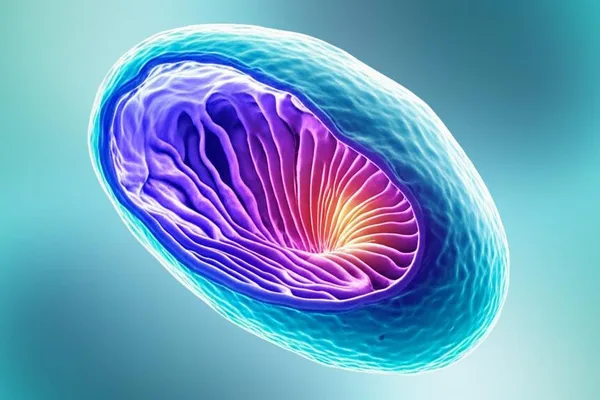
"Ampoule" is a Latin word. It means "small bottle" or something like "flask." You've probably seen some bottles that are wide at the bottom and narrow at the top. That's what this Ampulla of Vater is like. It's
a small, slightly inflated, flask-shaped bag . It's spherical on one side and conical on the other.
What diseases can affect the ampulla of Vater?
Usually, he does his job at a loss. But sometimes problems can arise. Let's see what they are:
Ampullary adenoma
This is a small growth that forms inside the ampulla. To be precise, it is
a polyp . These are often noncancerous conditions. They do not show any special symptoms. They are often discovered accidentally during
an endoscopy for another gastrointestinal problem. However, sometimes this adenoma can develop into cancer. If that happens, doctors recommend
surgically removing it (resection).
Ampullary cancer
The polyps mentioned earlier can sometimes turn into cancer. This is
a very rare type of cancer . It is usually seen in people in their 70s. If someone in the family has a condition like
polyposis syndrome, or if they have a family history of certain types of colorectal cancer (hereditary nonpolyposis colorectal cancer), the risk of developing this cancer is slightly higher.
If detected early, surgery can be done to remove the tumor. In cases where it has spread a little,
chemotherapy and
radiation may also be needed.
Gallstones
Sometimes gallstones can get stuck in the ampulla of Vater.
This is a dangerous and potentially life-threatening condition. If this happens, a surgeon
The stones are removed through an endoscopy. If there is some kind of problem with the ampulla, what symptoms will it show?
Imagine, what happens if a polyp, a cancerous tumor, or a gallstone gets stuck inside the ampulla? Then the bile from the bile duct and the digestive juices from the pancreatic duct can't flow properly. That means the passage is blocked . That's when various symptoms start to appear. For example:- You may get a stomach ache .
- A bacterial infection of the bile ducts (cholangitis) can cause fever and jaundice (yellowing of the eyes and skin).
- Nausea and vomiting may occur.
- Inflammation of the pancreas, or pancreatitis , may occur.
- You may notice a decrease in body weight .
If you have one or more of these symptoms, it is very important to seek medical advice. How do we keep this ampulla of water healthy?
To be honest, experts still don't know exactly how to prevent the development of either ampullary polyps or cancer. However, there are a few things we can do to prevent gallstones and keep our entire digestive system healthy in general.- Avoid foods high in refined carbohydrates . That means reducing foods made from bread flour and foods high in sugar as much as possible.
- Instead of fried foods and sweets, choose healthy fats. For example, things like fish oil and olive oil are good.
- Eat more foods high in fiber . Fruits, vegetables, legumes, nuts, and whole grains are good examples. Fiber is very important for our digestive system.
- Limit sugar consumption as much as possible.
By following these things, you will get very good results not only for the Ampulla of Vater, but also for your entire health. Finally, what to remember (Take-Home Message)
Now you probably understand that this Ampulla of Vater is a small hero who performs a very important, but silent service in our digestive system. Located at the junction of the common bile duct and the pancreatic duct, it collects bile and pancreatic juice and helps send them to the small intestine (duodenum) when needed. This is why the food we eat is properly digested and the body receives nutrition.So, we need to think about his health as well. Eating a balanced diet and living a healthy lifestyle will go a long way in protecting this little hero from illness and helping him do his job properly. Because, if he's healthy, we're healthy too!





💬 Comments (0)
No comments have been posted yet. Add your comment here for the first time.
Add your comment