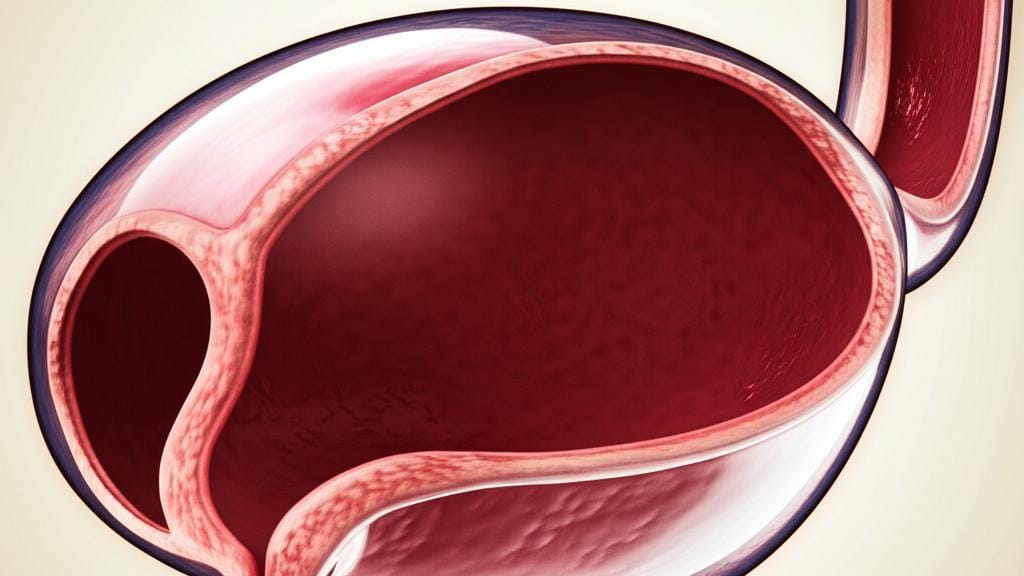
Have you ever paused to think about that small, balloon-like organ in your body—your bladder? It serves as the primary reservoir where your body stores urine before it's released. At Nirogi Lanka, we want to help you understand exactly what your bladder is, how it functions, and the common conditions that can affect its health. Let’s dive in, shall we?
What is the Bladder, and how does it function?
Simply put, the bladder is a hollow, muscular organ in your body that acts as a storage pouch for urine. You can think of it like a balloon. In a typical adult, the bladder can hold about 500 to 700 milliliters (roughly two cups) of urine. When you feel the urge to use the restroom, the muscles in your bladder wall contract while your sphincter muscles (which guard the urethra) relax, allowing the urine to flow out. It is a vital part of your urinary system.
To understand the process: your kidneys constantly filter your blood, removing waste products, excess water, toxins, and salts. As this waste turns into urine and enters the bladder, the organ expands like a balloon. Once it holds about 200–350 milliliters, nerves in your bladder send a signal to your brain, telling you that it is time to go. After you urinate, the bladder contracts back to its resting size. On average, we pass about 950 to 1,900 milliliters (roughly 2 liters) of urine per day.
Where is your bladder located?
The bladder is located in your lower abdomen. It stays anchored in place by a series of ligaments that connect it to other pelvic organs and your pelvic bones.
- In men, the bladder sits between the pubic bone in front and the rectum in the back.
- In women, the bladder is situated in front of the vagina and uterus.
What are the main parts of the bladder?
The bladder is composed of four primary sections:
- Dome (Apex): The uppermost, forward-facing section that points toward your abdomen.
- Base (Fundus): The bottom, rear-facing section of the bladder.
- Body: The main portion located between the dome and the base.
- Neck: A narrow, muscular region at the base that connects to your urethra.
What does the bladder look like, and what are its layers?
The bladder typically has a reddish-pink appearance. When empty, it measures about 2 inches, but it can stretch up to 6 inches as it fills. It is constructed from three distinct layers:
- Urothelium: The innermost lining. This protective layer is crucial because it prevents urine from leaking back into your body.
- Lamina Propria (Submucosa): A thin layer of loose connective tissue containing protein molecules, blood vessels, and nerves.
- Muscularis Propria: The thick, outer muscular wall. It is made of three layers of smooth muscle—which functions automatically without you needing to consciously control it.
What are common bladder conditions at Nirogi Lanka?
Unfortunately, the bladder can be affected by various conditions. Common issues include:
- Bladder Cancer: This occurs when cells in the bladder grow uncontrollably, usually beginning in the inner Urothelium lining.
- Cystitis: Inflammation of the bladder, most commonly caused by a bacterial Urinary Tract Infection (UTI).
- Interstitial Cystitis/Bladder Pain Syndrome (IC/BPS): A chronic condition that causes persistent bladder pain and an frequent, urgent need to urinate.
- Overactive Bladder: A condition where you experience a frequent, sudden urge to urinate, which may lead to accidental leakage.
- Urinary Incontinence: The involuntary loss of bladder control, resulting in leakage at inappropriate times.
- Bladder Stones: Hard mineral deposits that form inside the bladder, often occurring in people who have difficulty emptying their bladder completely.
How do you know if you have a bladder issue? At Nirogi Lanka, we want you to be informed.
If you are experiencing bladder-related concerns, you may notice some of the following symptoms:
- Incontinence or difficulty controlling your urine.
- A burning sensation or pain during urination.
- Urine that appears cloudy.
- Blood in your urine.
- Feeling the need to urinate more frequently than usual.
- The lingering feeling that your bladder has not emptied completely after using the restroom.
- Urine that has a strong or foul odor.
- Pain during intercourse (dyspareunia).
Common diagnostic tests for bladder health
To accurately assess your bladder function and diagnose any underlying conditions, your healthcare provider may recommend the following tests:
- Urinalysis: A sample of your urine is collected and analyzed for appearance, chemical composition, and microscopic findings.
- Urine culture: This test checks your urine sample specifically for the presence of bacteria or yeast.
- Imaging tests: These provide detailed pictures of your bladder. Examples include Ultrasound, CT scan, and MRI.
- Cytology: A doctor examines cells from your bladder sample to look for signs of abnormal or cancerous cells.
- Cystoscopy: A thin, light-bearing tube with a camera (cystoscope) is used to allow the doctor to directly view the inside of your bladder.
- Urodynamic testing: A series of tests to assess how well your bladder and the rest of your urinary system store and release urine.
- Biopsy: A small sample of bladder tissue or growth is collected for laboratory analysis, typically to rule out or confirm malignancy.
How are bladder issues treated?
Treatments at Nirogi Lanka are tailored to your specific diagnosis and symptoms. Common approaches include:
- Medications, including antibiotics.
- Dietary modifications.
- Physical therapy.
- Behavioral adjustments.
- Bladder retraining programs.
- Surgery, if indicated.
Does drinking water help treat bladder issues?
It depends on your condition. Hydration is essential to help flush out waste and bacteria from your urinary tract. Increasing water intake helps dilute your urine, which can prevent it from becoming too concentrated. Concentrated urine can irritate your bladder and worsen symptoms. Please consult with your Nirogi Lanka doctor to determine the appropriate fluid intake for your specific situation.
What drinks should you avoid if you have bladder issues?
If you are experiencing bladder discomfort, certain beverages may act as irritants. It is advisable to limit or avoid:
- Alcohol
- Coffee
- Carbonated beverages (sodas)
- Tea
- Acidic fruit juices (orange, grapefruit, pineapple, lime)
- Tomato juice
- Spicy sauces
- Vinegar
Which vitamins can support bladder control?
Certain vitamins may help manage urgency and support bladder control:
- Vitamin C: Dietary Vitamin C may help reduce urge symptoms. You can find this in oranges, bell peppers, broccoli, and leafy greens. However, high-dose Vitamin C supplements can sometimes aggravate bladder control issues, so please consult us before taking them.
- Vitamin D: Obtained through sunlight exposure, as well as dairy products, fish, and eggs, Vitamin D plays a role in overall urinary health.
Important: Before you start taking any vitamin supplements, it is essential to consult with your doctor to confirm that they are safe and appropriate for your specific health needs.
So, what are the key takeaways? (Take-Home Message)
By now, you understand that your urinary bladderis a flexible, hollow organ designed to store urine until it is ready to be released from your body. Various medical conditions can affect your bladder. Some symptoms may be painful, uncomfortable, or even embarrassing. If you are experiencing symptoms of a bladder issue, do not hesitate to visit your doctor. Identifying the underlying cause early allows you to receive the right treatment tailored to your needs. Always remember, there is no reason to feel embarrassed talking about these matters. Your health is the most important thing!
👩🏽⚕️ Frequently Asked Questions (FAQs)
💬 Is my urinary bladder the filter that cleans my body?
No! The bladder is simply a muscular sac—similar to a balloon—that temporarily stores urine (waste-filled fluid) produced by your kidneys. The actual filtration happens in your kidneys.
💬 How much urine can a normal bladder hold?
Your bladder is very elastic. It can typically hold about 2 cups of urine (between 400ml and 500ml). However, when it is about half full (around 200ml), your bladder sends a signal to your brain telling you it is time to find a restroom.
💬 Can my bladder burst if I hold my urine too long?
A bladder rupture is extremely rare and usually only occurs due to severe trauma or injury. However, frequently holding your urine for hours increases your risk of developing severe urinary tract infections (UTIs) because bacteria can thrive when urine is left stagnant.
Nirogi Lanka | Urinary Bladder, Urine, Urination, Kidneys, Urinary System, UTI, Bladder Cancer, Cystitis, Overactive Bladder, Urinary Incontinence, Bladder Stones, Urinalysis