
Should we make your bedroom an allergy-free zone? (Allergy-Proof Bedroom)

Should we make your bedroom an allergy-free zone? (Allergy-Proof Bedroom)

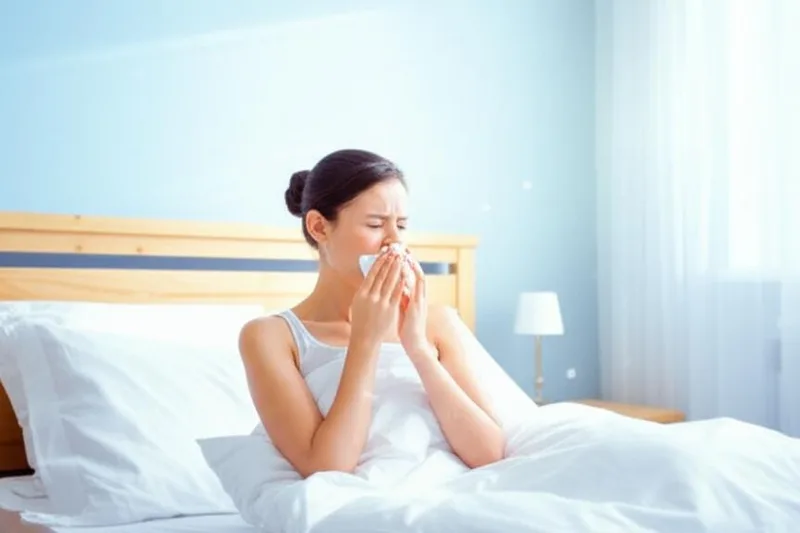
Do you often sneeze when you are at home? Do you wake up in the morning with a stuffy nose and itchy eyes? If so, the cause of this allergy may be hiding in a place you would not even think of, namely your bedroom. We spend about a third of our day in the bedroom. So if that place is full of things that are harmful to us, namely allergens , it can have a big impact on our health. Let's see how to prepare our bedroom to get rid of these annoying allergies and get a comfortable sleep.

1. Get rid of dust mites in your bed!

These dust mites are very small insects that are invisible to our naked eyes. But they are the main cause of allergies and asthma. They like to live in your bed, pillows, mattresses, and bedding.

Think about it, when we sleep, our skin sheds dead cells. These dead skin cells are the main food for these dust mites. That's why they love to live in our beds so much.

Okay, so how do we control them?

  • Use covers: Use special covers (`dust-mite-proof covers`) on your pillows, mattresses and bedding to prevent dust mites from entering. These are now available in some stores in Sri Lanka.
  • Wash in hot water: Wash your sheets, pillowcases, and blankets at least once a week in hot water. Usually, a temperature of 55-60 degrees Celsius is suitable for this. After that, dry them thoroughly in the sun. Or, if you can, dry them in a ``hot dryer`` with hot air. This heat will kill dust mites.

2. Remove carpets and vacuum regularly.

Carpet is a great place for allergens like dust mites , pollen, and mold to hide. It's like a dust trap. If possible, it's best to remove carpet from your bedroom and replace it with something like tile, hardwood floors, or linoleum. On top of that, you can add washable area rugs that are easy to clean.

If you can't remove the carpet, be sure to do these things:

  • Low-pile carpet: Instead of a very thick, high-pile carpet, choose a carpet with short pile (`low-pile`). It also collects less dust.
  • HEPA filter: At least once a week, use a vacuum cleaner with a HEPA filter.Clean the carpet thoroughly with one. This HEPA filter can absorb even the smallest dust particles in the air.
  • Wear a mask: When vacuuming, wear a dust mask to prevent breathing in airborne dust.
  • Clean during the day: Instead of doing housework before bed at night, do these cleaning tasks during the day. That way, dust particles scattered in the air will settle to the floor before you go to sleep.

3. Simple window decorations

Thick, hard-to-wash, heavily wrinkled curtains and wooden blinds are other places where dust can collect. Instead, use washable curtains or roller shades made of lightweight fabric that can be easily removed and washed.

Also, keep windows and doors clean and dry. If moisture accumulates, mold and mildew can grow in those areas. This mold is a major factor in causing respiratory symptoms if you have allergies or asthma.

4. Clear the bedroom of unnecessary items.

To breathe well, it is very important to keep the room simple. Reduce the amount of unnecessary items, decorations, books, and magazines in the room. These are places where dust accumulates. If you move these things to another room, you can reduce the amount of dust you have to clean frequently.

Simply put, the less surface area in the room that can hold dust, the better for you.

Avoid storing things under the bed. It's a place where dust collects and is difficult to clean. Also, never leave dirty clothes on the floor.

5. Let's keep the air in the room super clean.

Dust mites and mold thrive in warm, humid environments, so we need to avoid this.

  • Use of air conditioning (AC): During hot weather, use air conditioning (AC) if possible, even if there is a good breeze outside. AC not only cools the air but also reduces humidity.
  • Humidity control: If you live in an area with high humidity, use a dehumidifier (a device that absorbs moisture from the air) to keep the humidity in the room between 30% and 50%.
  • Temperature: Try to keep the temperature below 25 degrees Celsius, as dust mites have a hard time breeding at low temperatures.
  • Wet clothes: Don't pile sweaty, wet clothes in the laundry hamper. That's a great place for mold to grow. Wash and dry those clothes as soon as possible.
  • Air Filter: If possible, use an air purifier (an `air-filtration system`) with a HEPA filter in the room. These filter out allergens in the air in the room and purify the air.
Allergen What to do to prevent
Dust Mites Wash bedding once a week in hot water. Use mite-proof covers. Reduce humidity in the room.
Mold Keep the humidity in the room below 50%. If there are damp spots on the windows and walls, take measures. Do not leave wet clothes in the room.
Pets If possible, keep pets out of the bedroom. If not, vacuum frequently.
Cockroaches Avoid eating in the room. Seal the gaps in the walls. Keep the room clean.

6. Make the bedroom a "pet-free zone"

Your beloved dog or cat may sleep with you, but the truth is that their dander, saliva, and urine can contain allergens. Not only that, but they can also carry things like mold and pollen into your home when they come in from the outdoors.

Therefore, the best thing to do is to provide your pet with a separate sleeping area. If that's not possible, at least try to keep the room clean by vacuuming frequently.

7. Let's put an end to cockroaches!

Cockroaches are an unpleasant creature that can be found in any home. The tiny particles in their droppings can be very harmful, especially to children with asthma.

To prevent cockroaches from entering your home, do these things:

  • Seal gaps and cracks in walls and floors.
  • If there are leaks in water pipes and faucets, repair them. Cockroaches love moisture.
  • Don't leave things like wet towels on the floor.
  • Stop eating in the bedroom completely. Even a small piece of food is a big invitation for them.
  • Store food in tightly sealed containers.
  • If none of these things work, seek help from an exterminator.

Try following these few tips and you will be able to make your bedroom an allergy-free, healthy, and comfortable place. However, if your allergy symptoms do not subside despite these steps, be sure to see your doctor for advice.

Take-Home Message

  • Always keep your bedroom clean and simple, free of unnecessary items. The fewer places where dust can accumulate, the better.
  • Wash bedding, pillowcases, etc. in hot water at least once a week and dry them thoroughly in the sun.
  • It is very important to control the humidity in the room. Take care of windows and walls to prevent mold growth.
  • If possible, avoid bringing pets into the bedroom.
  • Avoid eating in the room altogether. This will prevent insects like cockroaches from entering.
  • If your allergy symptoms persist despite following these methods, consult a qualified doctor for advice.

Allergies, Bedroom, Dust Bugs, Mold, Health, Preventive Health, Respiratory Diseases
⚠️ Important: The medical articles and information on Nirogi Lanka are for general awareness only, and are by no means a substitute for professional medical advice, diagnosis, or treatment. For any medical problem you have, consult a qualified physician immediately.

💬 Comments (0)

No comments have been posted yet. Add your comment here for the first time.

Add your comment

Please calculate: 9 + 5 =
Should we make your bedroom an allergy-free zone? (Allergy-Proof Bedroom)
Preventive HealthJuly 6, 2026

Should we make your bedroom an allergy-free zone? (Allergy-Proof Bedroom)

Do you often sneeze when you are at home? Do you wake up in the morning with a stuffy nose and itchy eyes? If so, the cause of this allergy may be hiding in a place you would not even think of, namely your bedroom. We spend about a third of our day in the bedroom. So if that place is full of things that are harmful to us, namely allergens , it can have a big impact on our health. Let's see how to prepare our bedroom to get rid of these annoying allergies and get a comfortable sleep.

1. Get rid of dust mites in your bed!

These dust mites are very small insects that are invisible to our naked eyes. But they are the main cause of allergies and asthma. They like to live in your bed, pillows, mattresses, and bedding.

Think about it, when we sleep, our skin sheds dead cells. These dead skin cells are the main food for these dust mites. That's why they love to live in our beds so much.

Okay, so how do we control them?

  • Use covers: Use special covers (`dust-mite-proof covers`) on your pillows, mattresses and bedding to prevent dust mites from entering. These are now available in some stores in Sri Lanka.
  • Wash in hot water: Wash your sheets, pillowcases, and blankets at least once a week in hot water. Usually, a temperature of 55-60 degrees Celsius is suitable for this. After that, dry them thoroughly in the sun. Or, if you can, dry them in a ``hot dryer`` with hot air. This heat will kill dust mites.

2. Remove carpets and vacuum regularly.

Carpet is a great place for allergens like dust mites , pollen, and mold to hide. It's like a dust trap. If possible, it's best to remove carpet from your bedroom and replace it with something like tile, hardwood floors, or linoleum. On top of that, you can add washable area rugs that are easy to clean.

If you can't remove the carpet, be sure to do these things:

  • Low-pile carpet: Instead of a very thick, high-pile carpet, choose a carpet with short pile (`low-pile`). It also collects less dust.
  • HEPA filter: At least once a week, use a vacuum cleaner with a HEPA filter.Clean the carpet thoroughly with one. This HEPA filter can absorb even the smallest dust particles in the air.
  • Wear a mask: When vacuuming, wear a dust mask to prevent breathing in airborne dust.
  • Clean during the day: Instead of doing housework before bed at night, do these cleaning tasks during the day. That way, dust particles scattered in the air will settle to the floor before you go to sleep.

3. Simple window decorations

Thick, hard-to-wash, heavily wrinkled curtains and wooden blinds are other places where dust can collect. Instead, use washable curtains or roller shades made of lightweight fabric that can be easily removed and washed.

Also, keep windows and doors clean and dry. If moisture accumulates, mold and mildew can grow in those areas. This mold is a major factor in causing respiratory symptoms if you have allergies or asthma.

4. Clear the bedroom of unnecessary items.

To breathe well, it is very important to keep the room simple. Reduce the amount of unnecessary items, decorations, books, and magazines in the room. These are places where dust accumulates. If you move these things to another room, you can reduce the amount of dust you have to clean frequently.

Simply put, the less surface area in the room that can hold dust, the better for you.

Avoid storing things under the bed. It's a place where dust collects and is difficult to clean. Also, never leave dirty clothes on the floor.

5. Let's keep the air in the room super clean.

Dust mites and mold thrive in warm, humid environments, so we need to avoid this.

  • Use of air conditioning (AC): During hot weather, use air conditioning (AC) if possible, even if there is a good breeze outside. AC not only cools the air but also reduces humidity.
  • Humidity control: If you live in an area with high humidity, use a dehumidifier (a device that absorbs moisture from the air) to keep the humidity in the room between 30% and 50%.
  • Temperature: Try to keep the temperature below 25 degrees Celsius, as dust mites have a hard time breeding at low temperatures.
  • Wet clothes: Don't pile sweaty, wet clothes in the laundry hamper. That's a great place for mold to grow. Wash and dry those clothes as soon as possible.
  • Air Filter: If possible, use an air purifier (an `air-filtration system`) with a HEPA filter in the room. These filter out allergens in the air in the room and purify the air.
Allergen What to do to prevent
Dust Mites Wash bedding once a week in hot water. Use mite-proof covers. Reduce humidity in the room.
Mold Keep the humidity in the room below 50%. If there are damp spots on the windows and walls, take measures. Do not leave wet clothes in the room.
Pets If possible, keep pets out of the bedroom. If not, vacuum frequently.
Cockroaches Avoid eating in the room. Seal the gaps in the walls. Keep the room clean.

6. Make the bedroom a "pet-free zone"

Your beloved dog or cat may sleep with you, but the truth is that their dander, saliva, and urine can contain allergens. Not only that, but they can also carry things like mold and pollen into your home when they come in from the outdoors.

Therefore, the best thing to do is to provide your pet with a separate sleeping area. If that's not possible, at least try to keep the room clean by vacuuming frequently.

7. Let's put an end to cockroaches!

Cockroaches are an unpleasant creature that can be found in any home. The tiny particles in their droppings can be very harmful, especially to children with asthma.

To prevent cockroaches from entering your home, do these things:

  • Seal gaps and cracks in walls and floors.
  • If there are leaks in water pipes and faucets, repair them. Cockroaches love moisture.
  • Don't leave things like wet towels on the floor.
  • Stop eating in the bedroom completely. Even a small piece of food is a big invitation for them.
  • Store food in tightly sealed containers.
  • If none of these things work, seek help from an exterminator.

Try following these few tips and you will be able to make your bedroom an allergy-free, healthy, and comfortable place. However, if your allergy symptoms do not subside despite these steps, be sure to see your doctor for advice.

Take-Home Message

  • Always keep your bedroom clean and simple, free of unnecessary items. The fewer places where dust can accumulate, the better.
  • Wash bedding, pillowcases, etc. in hot water at least once a week and dry them thoroughly in the sun.
  • It is very important to control the humidity in the room. Take care of windows and walls to prevent mold growth.
  • If possible, avoid bringing pets into the bedroom.
  • Avoid eating in the room altogether. This will prevent insects like cockroaches from entering.
  • If your allergy symptoms persist despite following these methods, consult a qualified doctor for advice.

Allergies, Bedroom, Dust Bugs, Mold, Health, Preventive Health, Respiratory Diseases
⚠️ Important: The medical articles and information on Nirogi Lanka are for general awareness only, and are by no means a substitute for professional medical advice, diagnosis, or treatment. For any medical problem you have, consult a qualified physician immediately.

💬 Comments (0)

No comments have been posted yet. Add your comment here for the first time.

Add your comment

Please calculate: 9 + 5 =