
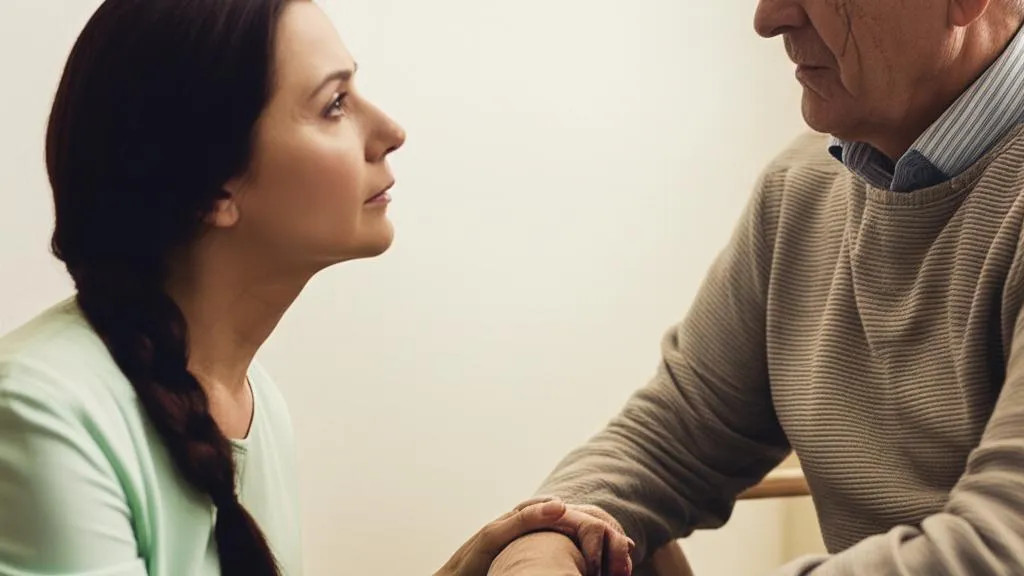
Does your loved one, perhaps your mother, father, or spouse, have Alzheimer's disease? Only you, the caregiver, know how much sacrifice, responsibility, and love it takes to care for someone like that. When you're working 24 hours a day, 7 days a week, you may sometimes feel like, "I can't do this alone anymore." There's nothing wrong with feeling that way. It doesn't mean you're lacking in love. It just means you need a little break and some help.
Things that can happen to you if you do everything alone
If you try to do everything yourself, after a while you start to feel physically and mentally exhausted. We call this "caregiver burnout." That is, the caregiver becomes exhausted. This condition can have a very negative impact on your health.
Remember, you can only take good care of your loved one if you are healthy. Your health is just as important.
In general, the risk of these health problems is higher among those caring for Alzheimer's patients.
| Risk situation | Description |
|---|---|
| Mental problems | Conditions like depression, which are constantly feeling sad and anxious. |
| Bad habits | Turning to alcohol and drugs due to stress. |
| Sleep and food | Inadequate sleep, disturbed eating habits. |
| Chronic diseases | Increased risk of diseases such as diabetes, heart disease, arthritis, and cancer. |
| Physical pain | Frequent headaches and body aches. |
Therefore, it is very important to ask for help from your friends, relatives, and neighbors before you get sick.
But... why is it so hard to ask for help?
Okay, so you know you need to ask for help, but it's hard to say it out loud, right? Surveys show that four out of ten people caring for people with dementia do it entirely alone. There are several reasons why many people are reluctant to ask for help.
- I can't figure out what kind of help I need to ask for. Even if I say, "I need help," I can't figure out exactly what I need to do.
- I think it will be a problem for others. I think, "They have their own business, so why should I cause more trouble?"
- Feeling guilty. If you don't do everything for your loved one, you feel like you're missing out.
- They are afraid that someone will say "no." When they ask for help, they don't ask for it because they are afraid that the other person will reject it.
If you're feeling these feelings, it's normal. But overcoming these barriers and asking for help is in your best interest and that of the person you care for.
How do you know when to ask for help?
In the early stages of Alzheimer's disease, the patient may be able to go to work, drive a car, and do their own chores. At that time, you may not be a big burden. But as the disease progresses, your help is needed for everything from eating to walking to going to the bathroom, from basic activities.
If you are experiencing symptoms of "caregiver burnout," it's the best time to seek help.
| Signs of Burnout | |
|---|---|
| Social connections | You've completely stopped seeing friends and family. |
| Work and hobbies | You no longer have any interest in the things you used to enjoy. |
| Feelings | You are constantly feeling sad, angry, and helpless. You even get angry with the person you care about. |
| Sleep | Sleeping more than usual, or not sleeping at all. |
| Physical health | You get sick more often than before, or you feel extremely tired all the time. |
If you have any of these symptoms, don't delay. Talk to your family doctor about this. He or she can give you the guidance you need.
Well, then how do you ask for help?
Asking for help is like an art. Here are some ways to make it easier.
Think ahead and work.
Don't ask for help at the last minute. Ask at least a few days in advance to give the person you're helping a chance to get their work done.
Explain the situation.
Explain why you need help. You could say, "I don't even have time to shower properly in the morning. I'm afraid I'll get sick if I keep doing this. So I need someone to help me reduce my workload."
Ask directly, specifically
Rather than asking in general terms, "Can I help you with a little help?", it's easier for the person you're helping to be specific . For example, "Can you pick up some groceries for me?" or "Can you babysit my mom for just a couple of hours on Saturday? I have a little trip coming up."
Make a to-do list
Make a list of all the tasks you need to get done. Then divide the tasks among those who are willing to help.
Be realistic.
Only ask for what the person asking for help can do. It's hard to expect someone who works all day to come and help on weekdays, right?
What you would like to hear from the person helping you
Not everyone likes to cook or clean the house. Ask the person who wants to help what they can do and what they like to do. Then match them with that job.
Be flexible.
Life changes. People who help you may have their own schedules or emergencies. Be prepared to adjust your plans to accommodate their schedules.
When is professional help needed?
Sometimes, even if your family and friends help, it may not be enough to provide the patient with the care they need. In such cases, you may need to consider seeking professional help.
There are various services for this.
- Companions: People who can spend time with your loved one, talk to them, and keep them from feeling lonely while you're busy with other work or taking a break.
- Home health aides: People who help with personal care such as bathing, dressing, and keeping the patient clean.
- Nurses and trained caregivers: Those trained to provide medical care such as administering vaccinations, cleaning wounds, and performing physical therapy exercises.
To learn more about these services and decide what is best for your patient, it is important to talk to your family doctor. He or she can refer you to the right institutions or individuals.
💡 Take-Home Message
- Caring for someone with Alzheimer's is an extremely demanding job. It's normal to feel tired and exhausted.
- To take care of your loved one, you need to be healthy first. So think about your own physical and mental health as well.
- Asking for help is not a sign of weakness, it is a sign of strength. It will benefit both you and the person you care for.
- When asking friends and relatives for help, be specific about what you want them to do.
- If you're feeling overwhelmed and exhausted, don't suffer alone. Be sure to talk to your doctor about it.






Janiw kuna arsuwinakas jichhakamax uñt’ayatäkiti. Aka chiqanx amuyt’awim jan ukax jiskt’awim yapxatañamawa.