Art and music therapy can provide relief to your loved one suffering from Alzheimer's Disease!

Art and music therapy can provide relief to your loved one suffering from Alzheimer's Disease!

If your mother, father, grandmother, aunt, or close family member has Alzheimer's disease, we know how emotional and challenging it can be. There is no cure for the disease yet. However, there are many things we can do to manage the symptoms and problems it causes, and to make life a little easier and more enjoyable for our loved one. In addition to medication, non-medical therapies such as art and music can provide incredible relief.

The main goal of this type of therapy is to help the person who is sick maintain a better quality of life. So, how do you choose the treatment method that is best for your loved one? It's very simple. First, think about the things they enjoyed doing when they were younger and healthier. Maybe they loved to listen to music or sing. Or maybe they were good at drawing or making pottery. It's also important to talk to your doctor about more suggestions and resources on how to use these methods.

Relief from Music Therapy

Music therapy is a wonderful thing for Alzheimer's patients. It has several benefits.

  • This helps calm the anxious and restless mind.
  • Old, forgotten memories can be reawakened .
  • This helps keep the brain active even in the later stages of the disease.
  • In some cases, music can even improve eating habits .

The most important thing is that through all of this, we are trying to add happiness and comfort to their lives, not just with medication, but with love and the things they love.

So, how can you use music to help your loved one? Here are some simple tips.

Music type and style Benefits and advice
Golden OldiesThe songs they heard when they were young are the ones that bring back the most memories. Perhaps, if the disease is in an advanced stage, they may need to be made to listen to songs they learned as children. If possible, have the whole family sing together.
Up-tempo Beats When you play songs that are a bit fast and make you want to dance, your mind and body will be active. If possible, encourage them to dance a little. Moving their limbs is also a great thing.
Soothing Music Calming music can help reduce the anxiety and frustration that many people with Alzheimer's experience. For example, playing a relaxing song before bed at night can help them fall asleep more easily.

A person with Alzheimer's may not be able to verbalize their likes and dislikes. So, watch their facial expressions carefully . By looking at them, you can easily understand what songs they like and don't like. Also, ask their friends and relatives what kind of songs they used to like.

Expressing feelings through art therapy

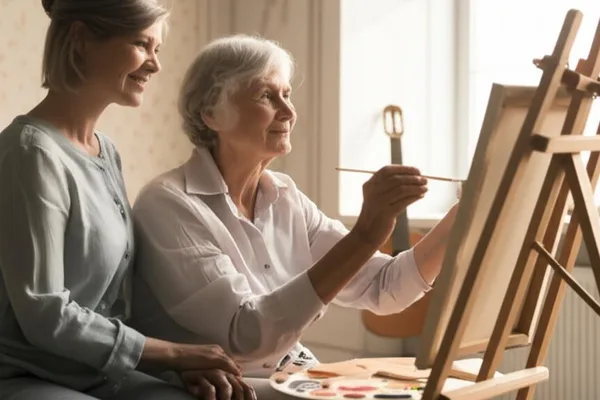
Art therapy methods such as drawing and coloring provide a great opportunity for Alzheimer's patients to express their feelings. Especially as the ability to express ideas with words gradually decreases, art becomes a great way to express what is on their minds.

Here's how to get your loved one involved in an art project:

Let's create a design that reminds us of the past.

Encourage him to create a creation that tells an old memory or a story. Maybe it's something from his old village, school, or temple. You can talk about it while you're making the creation and after you're done.

Don't give too much advice.

If you give them too much advice about what to do, they may become confused and frustrated. So keep the advice to a minimum. If necessary, show them how to start by drawing a few brush strokes yourself first. Remember, the design is finished when they say "That's it" or "It's done," not when you think it's done .

Don't criticize.

Even if you don't think the color she chose suits you, keep that in mind! The best thing you can do is say positive things like "It's beautiful" and "This color is nice." Also, ask questions about the design and engage in conversation with it.

Other treatments you can try

In addition to these methods, there are other treatments that can make life more enjoyable for an Alzheimer's patient. Which of these is most suitable depends on the needs of each individual.

  • Massage: This can have two benefits. One is to reduce stress and anxiety. The other is to help you get a good night's sleep.
  • Pet therapy: If you have always loved pets, spending time with an animal like a dog or cat can be a great source of comfort and joy. Choose an animal that suits the patient's condition. For example, someone who can walk can go for a walk with a dog. Someone who has difficulty moving around can feel comforted by holding a cat on their lap and petting it.
  • Old hobbies: Encouraging them to re-engage in hobbies they used to enjoy (e.g. gardening, cooking, sewing) can help them feel more stable about their lives. Try to incorporate these activities into their daily lives as much as possible.

While doing all this, the most important thing to remember is patience and love. It is best to talk to your doctor about these treatments and work according to his advice.

Take-Home Message

  • Although there is no cure for Alzheimer's disease, therapeutic methods such as music and art can greatly improve the patient's quality of life.
  • Music can help awaken forgotten memories, and art can help express feelings that cannot be expressed in words.
  • When choosing a therapy for your loved one, think about the things they enjoyed and hobbies they had in the past.
  • Avoid criticizing their creations or efforts. Instead, always encourage them positively.
  • Before starting any treatment regimen, consult with your loved one's doctor to ensure it is appropriate for their condition.

Alzheimer's, Alzheimer's Disease, Music Therapy, Art Therapy, Mental Health, Elderly Care, Memory
⚠️ Important: The medical articles and information on Nirogi Lanka are for general awareness only, and are by no means a substitute for professional medical advice, diagnosis, or treatment. For any medical problem you have, consult a qualified physician immediately.

💬 Comments (0)

No comments have been posted yet. Add your comment here for the first time.

Add your comment

Please calculate: 4 + 3 =
Art and music therapy can provide relief to your loved one suffering from Alzheimer's Disease!
Elder CareMay 28, 2026

Art and music therapy can provide relief to your loved one suffering from Alzheimer's Disease!

If your mother, father, grandmother, aunt, or close family member has Alzheimer's disease, we know how emotional and challenging it can be. There is no cure for the disease yet. However, there are many things we can do to manage the symptoms and problems it causes, and to make life a little easier and more enjoyable for our loved one. In addition to medication, non-medical therapies such as art and music can provide incredible relief.

The main goal of this type of therapy is to help the person who is sick maintain a better quality of life. So, how do you choose the treatment method that is best for your loved one? It's very simple. First, think about the things they enjoyed doing when they were younger and healthier. Maybe they loved to listen to music or sing. Or maybe they were good at drawing or making pottery. It's also important to talk to your doctor about more suggestions and resources on how to use these methods.

Relief from Music Therapy

Music therapy is a wonderful thing for Alzheimer's patients. It has several benefits.

  • This helps calm the anxious and restless mind.
  • Old, forgotten memories can be reawakened .
  • This helps keep the brain active even in the later stages of the disease.
  • In some cases, music can even improve eating habits .

The most important thing is that through all of this, we are trying to add happiness and comfort to their lives, not just with medication, but with love and the things they love.

So, how can you use music to help your loved one? Here are some simple tips.

Music type and style Benefits and advice
Golden OldiesThe songs they heard when they were young are the ones that bring back the most memories. Perhaps, if the disease is in an advanced stage, they may need to be made to listen to songs they learned as children. If possible, have the whole family sing together.
Up-tempo Beats When you play songs that are a bit fast and make you want to dance, your mind and body will be active. If possible, encourage them to dance a little. Moving their limbs is also a great thing.
Soothing Music Calming music can help reduce the anxiety and frustration that many people with Alzheimer's experience. For example, playing a relaxing song before bed at night can help them fall asleep more easily.

A person with Alzheimer's may not be able to verbalize their likes and dislikes. So, watch their facial expressions carefully . By looking at them, you can easily understand what songs they like and don't like. Also, ask their friends and relatives what kind of songs they used to like.

Expressing feelings through art therapy

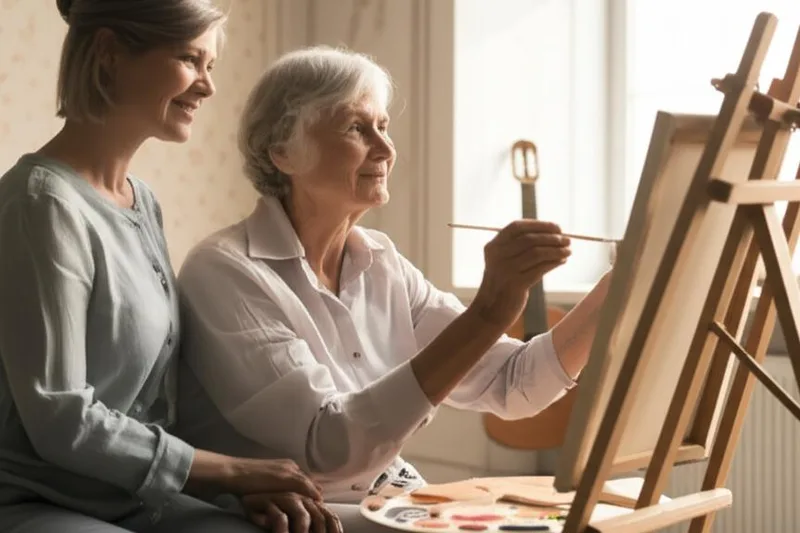
Art therapy methods such as drawing and coloring provide a great opportunity for Alzheimer's patients to express their feelings. Especially as the ability to express ideas with words gradually decreases, art becomes a great way to express what is on their minds.

Here's how to get your loved one involved in an art project:

Let's create a design that reminds us of the past.

Encourage him to create a creation that tells an old memory or a story. Maybe it's something from his old village, school, or temple. You can talk about it while you're making the creation and after you're done.

Don't give too much advice.

If you give them too much advice about what to do, they may become confused and frustrated. So keep the advice to a minimum. If necessary, show them how to start by drawing a few brush strokes yourself first. Remember, the design is finished when they say "That's it" or "It's done," not when you think it's done .

Don't criticize.

Even if you don't think the color she chose suits you, keep that in mind! The best thing you can do is say positive things like "It's beautiful" and "This color is nice." Also, ask questions about the design and engage in conversation with it.

Other treatments you can try

In addition to these methods, there are other treatments that can make life more enjoyable for an Alzheimer's patient. Which of these is most suitable depends on the needs of each individual.

  • Massage: This can have two benefits. One is to reduce stress and anxiety. The other is to help you get a good night's sleep.
  • Pet therapy: If you have always loved pets, spending time with an animal like a dog or cat can be a great source of comfort and joy. Choose an animal that suits the patient's condition. For example, someone who can walk can go for a walk with a dog. Someone who has difficulty moving around can feel comforted by holding a cat on their lap and petting it.
  • Old hobbies: Encouraging them to re-engage in hobbies they used to enjoy (e.g. gardening, cooking, sewing) can help them feel more stable about their lives. Try to incorporate these activities into their daily lives as much as possible.

While doing all this, the most important thing to remember is patience and love. It is best to talk to your doctor about these treatments and work according to his advice.

Take-Home Message

  • Although there is no cure for Alzheimer's disease, therapeutic methods such as music and art can greatly improve the patient's quality of life.
  • Music can help awaken forgotten memories, and art can help express feelings that cannot be expressed in words.
  • When choosing a therapy for your loved one, think about the things they enjoyed and hobbies they had in the past.
  • Avoid criticizing their creations or efforts. Instead, always encourage them positively.
  • Before starting any treatment regimen, consult with your loved one's doctor to ensure it is appropriate for their condition.

Alzheimer's, Alzheimer's Disease, Music Therapy, Art Therapy, Mental Health, Elderly Care, Memory
⚠️ Important: The medical articles and information on Nirogi Lanka are for general awareness only, and are by no means a substitute for professional medical advice, diagnosis, or treatment. For any medical problem you have, consult a qualified physician immediately.

💬 Comments (0)

No comments have been posted yet. Add your comment here for the first time.

Add your comment

Please calculate: 4 + 3 =