
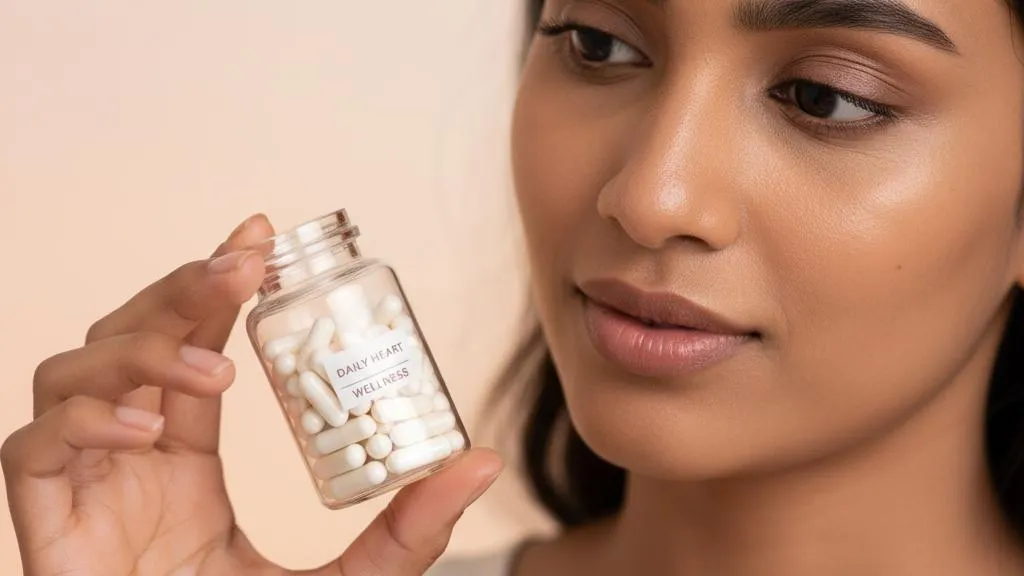
Has a doctor prescribed a medication to prevent blood clots for you or someone in your family? It could be something familiar like Aspirin. Or it could be something like Clopidogrel. We commonly call these medications Antiplatelet drugs. Today, we will talk very simply and politely about what these actually are, how they work in our body, and what precautions we should take when using them.
What are antiplatelet drugs? How do they work?
To understand this, we first need to know a little about our blood. Our blood mainly consists of red blood cells (which carry oxygen), white blood cells (which fight germs), and another type of tiny cell, which we call platelets .
Imagine that you cut your hand with a knife. The blood flows for a while, and then it just stops, right? That's because of these platelets. When a place is injured, these platelets rush to the injured area, stick together, and form a mesh, forming a clot. This clot acts as a 'plug' that stops the bleeding. This is a wonderful natural defense mechanism in our body.
But, here's the problem. What happens if a blood clot like this forms inside our blood vessels without any injury? That's very dangerous. If such a blood clot forms in a vein that supplies blood to the heart, it can cause a heart attack . If it forms in a vein that goes to the brain, it can cause a stroke .
Antiplatelet medications work by preventing platelets from sticking together in the veins, which is what prevents blood clots from forming. Simply put, these medications reduce the 'stickiness' of platelets.
What is the difference between Antiplatelets and Anticoagulants?
Many people confuse these two types of medications. Although they are both called "blood thinners," the way they work is slightly different. Although the end result of both is to reduce blood clotting, the place of action is different. Let's understand this clearly.
| Type of medicine | How it works |
|---|---|
| Antiplatelets (e.g. Aspirin, Clopidogrel) | What comes together first to form a blood clot?Prevents platelets from sticking together. |
| Anticoagulants (e.g. Warfarin, Apixaban) | Once platelets have clumped together, they interfere with the function of special proteins in the blood (clotting factors) that help strengthen the blood clot. |
Who needs these medications?
A healthy person usually doesn't need this medication. But people with certain medical conditions are at higher risk of developing blood clots in their veins. Here are some of the main reasons your doctor may prescribe this medication:
- If you have had a heart attack or stroke before, prevent a recurrence.
- If you have coronary artery disease , which means that the arteries in your heart have become narrowed.
- Angina , that is, if you have chest pain.
- Peripheral Vascular Disease , which means that the veins leading to the limbs are blocked.
- If you have heart rhythm irregularities such as atrial fibrillation .
- If you have had bypass surgery (Coronary Artery Bypass) .
- If you have had angioplasty , that is, if you have had a stent placed in your veins.
- If you have had heart valve surgery.
Things to be aware of when using antiplatelet medications
How to take the medicine
Most antiplatelet medications are taken as pills. Only in special cases are intravenous medications used. If you experience stomach upset or heartburn while taking the pills, it is best to take the medication with a meal.
Most importantly: If you miss a dose, take it as soon as you remember. However, if it is very close to your next dose (e.g., just a few hours away), skip the missed dose and take your next dose at the scheduled time. Do not take two doses at once for any reason. Also, do not stop taking any of these medications (including aspirin) suddenly without your doctor's advice. Doing so can cause a blood clot to form suddenly and have dangerous consequences.
Risks and side effects
The main risk of these medications is excessive bleeding. This is because these medications prevent unwanted blood clots from forming inside the veins, and they also delay the formation of the blood clot that is needed to stop bleeding when an injury actually occurs.
| Nature of the side effect | Description |
|---|---|
| Commonly seen side effects | |
| Turning blue even with a small bruise | Bruises easily appear in various parts of the body. |
| Nosebleed | A little nosebleed for no reason. |
| Bleeding from a wound | Bleeding that takes a long time to stop, even from a small wound. |
| Women's menstruation | Bleeding more than normal. |
| Serious symptoms that should be reported to your doctor immediately | |
| Blood in the urine | Red, pink, or brown urine. |
| Blood in the stool | Red or tarry stools. |
| Vomiting blood | Coughing up blood or vomiting blood that looks like coffee grounds. |
| Severe stomach pain | Sudden, severe, persistent abdominal pain. |
| A large, loose blood clot | The formation of a large, oval-shaped blood clot (hematoma) under the skin. |
If you notice any serious symptoms like this, immediately go to the Emergency Department (ETU) of the nearest hospital.
Interactions with other medications
When taking this medication, it is important to tell your doctor about all other medications you are taking. Some medications can interact with this antiplatelet medication and increase the risk of bleeding. So be sure to tell your doctor about these things:
- Medicines for other diseases.
- Medicines such as painkillers that you can buy from the pharmacy without a prescription.
- Vitamins, minerals or other supplements.
- In particular, be sure to inform your doctor about any Ayurvedic or Sinhala medicines you are taking.
Who is not suitable to take this medicine?
Some people may not be suitable for this medicine. Your doctor will decide this.
- People who are scheduled to undergo surgery or have a tooth extracted in the next few days.
- Pregnant, trying to become pregnant, or breastfeeding mothers.
- People who have previously had a brain hemorrhage.
- People with blood clotting disorders such as hemophilia.
- People with severe kidney or liver disease.
- People who have or have had stomach ulcers.
This medication is a very important type of medicine that can help save lives from serious conditions like heart attacks and strokes. Therefore, it is very important to follow your doctor's instructions exactly and be aware of the possible risks.
💡 Take-Home Message
- Antiplatelet medication is a very important medication given to prevent life-threatening diseases such as heart attacks and strokes.
- Never stop taking this medication or change the dosage without your doctor's advice.
- The main risk of these medications is excessive bleeding. Be careful to avoid injury during daily activities.
- If you notice signs of serious bleeding, such as blood in your urine or stool, vomiting blood, or severe stomach pain, inform your doctor immediately or go to the nearest hospital's Emergency Department (ETU).
- It is essential to inform your doctor about all other medications, vitamins, and Ayurvedic medicines you are taking.






Janiw kuna arsuwinakas jichhakamax uñt’ayatäkiti. Aka chiqanx amuyt’awim jan ukax jiskt’awim yapxatañamawa.