
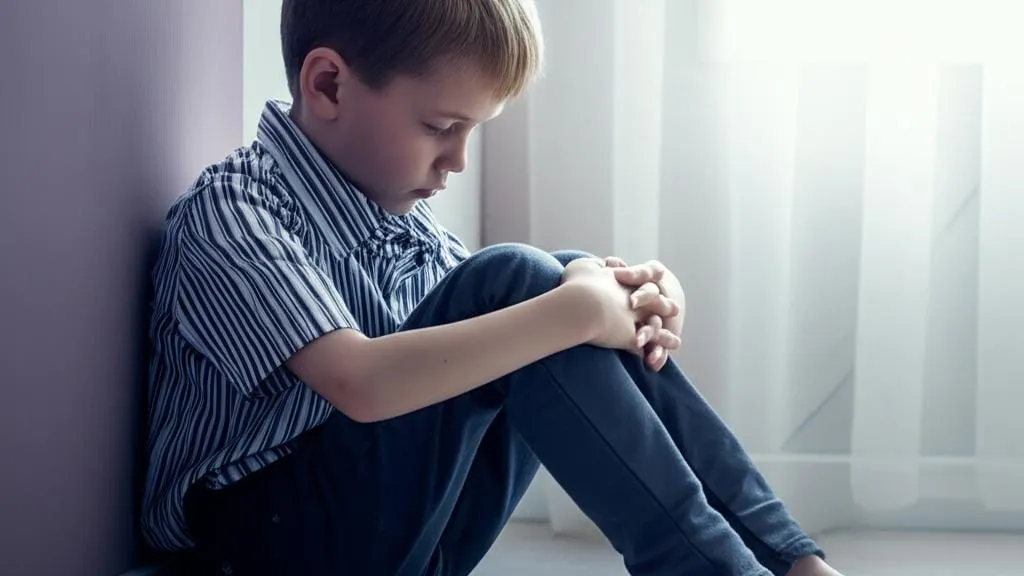
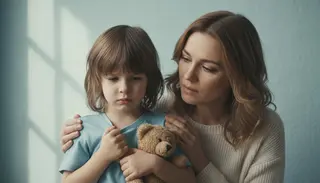
Is your child not playing as much as he used to? Does he get angry all the time? Does he cry over the smallest things? We all think that children should always be happy, laughing, and running around. But in reality, just like adults, children can also suffer from depression, a mental condition we all know as Depression.'' This is much more common than we think. And, if properly identified and treated, it can be completely cured. Don't be afraid to talk about it. Let's talk about it openly.
PHQ-9 depresión uñakipaña. Mä herramienta validada 9 jiskt’awinakampi sintoma depresivo ukanaka uñakipañataki. Sapa kutiw qullirir jisktʼasiñama, ukhamatwa uka usux kunjamas uk yatiñataki ukat qullañataki.
What exactly is Childhood Depression?
Simply put, childhood depression is a long-term feeling of intense sadness, frustration, or hopelessness in a child. This is not just a little sadness. These feelings can affect a child's daily activities, their relationships, their school life, and even their relationships with family.
Some may think this is a new phenomenon. But the truth is, depression has been around for generations among children. What's new is that we now know more about it, we have ways to recognize it, and we know it can be treated. And doctors are now more aware that if left untreated, it can be life-threatening.
How do I know if my child also has this condition?
This is the hardest part, because children, especially young children, don't put their feelings into words like adults do. Instead, they show it through their behavior.
Imagine, your daughter used to love drawing and playing with her friends. But now she's always alone in her room. But when one of your friends comes home, she smiles and talks a little. Then you might think, "Oh... she's okay, maybe she's just in a mood." But in reality, when children are depressed, their sadness may not be visible all the time. There are times when they are otherwise normal.
According to doctors, the main and most specific symptom of childhood depression is a condition called 'anhedonia' . That is, the loss of the ability to experience pleasure or enjoyment . The inability to enjoy things that used to be enjoyable, such as playing, watching TV, or listening to stories, is no longer pleasurable.
Let's look at the table below to see how children show symptoms of depression.
| Symptom | How it Appears in Children |
|---|---|
| Sadness and disappointment | They are always sulking, crying over small things, or they are always angry and quarrelsome. |
| Anhedonia | Things they used to enjoy (playing, meeting friends, going on vacations) are now rejected. They say, "I can't," "I don't want to." |
| Sleep changes | Difficulty falling asleep at night. Some children sleep too much. (It is more common to have difficulty falling asleep than to wake up in the middle of the night like adults.) |
| Changes in diet | You may lose your appetite, or you may sometimes overeat. You may lose or gain weight. |
| Impact on schoolwork | You lose interest in studying, it becomes difficult to concentrate, and your grades drop. |
| Body aches | You may say things like you have a constant headache or stomach ache for no other reason. |
| Negative thoughts about oneself | Says things like, "I'm useless," "Nobody likes me." May talk about self-harm or death. |
Important: Don't assume your child is depressed just because they show one or two of these symptoms occasionally. But if these symptoms persist for more than two weeks and are affecting your child's daily life, be sure to talk to your doctor .
How is it treated? Is there a 'magic pill' for this?
Absolutely not. Treating childhood depression is not something that can be done overnight, nor is it something that can be done with a single pill. It is a process that requires a lot of care and patience. There are two main types of treatment.
1. Talk Therapy / Psychotherapy
This is often the first step. These methods vary depending on the child's age and condition.
- Play Therapy: Many young children have difficulty expressing their feelings in words. Therefore, therapists use dolls, toys, and drawings to help the child understand their feelings, such as sadness, fear, and anger. This helps the child deal with those feelings.
- Cognitive Behavioral Therapy (CBT): This method is very effective for older children and young children. Simply put, it helps identify the child's negative thought patterns ("I'm bad," "I can't") and change them to more realistic and positive ones. This can improve behavior and mood.
- Family Therapy: A child's mental health is greatly influenced by the family environment. In this method, not only the child but also the parents and siblings are consulted, and guidance is provided on how to support the child as a family.
2. Medication
Some parents are scared when they hear about medication. "Oh, antidepressants for a young child? Will they have side effects?" This fear is reasonable.
But the most important thing to know is that doctors only prescribe medication to a child when absolutely necessary. And they do so under very close supervision . Medications like Prozac have been studied to some extent in children, and their safety and effectiveness have been confirmed.
The most important thing:
A doctor never just gives a child medicine and sends them home. The treatment plan is a team effort . Talk therapy, advice to the parents, and medication, if needed, should all go together. It is important to see the doctor regularly in the first few weeks after starting the medication to closely monitor the child's response and any changes.
What can we do as parents?
The role of parents in a child's recovery process cannot be overstated. Here are some things you can do.
- Listen openly: Listen to what your child has to say without scolding or judging. Instead of angrily asking, "What's wrong with you?", ask lovingly, "I can see you're upset. Can we talk about it for a bit?"
- Seek medical advice:Even if you notice a small change, don't ignore it and assume, "It'll be fine." See a qualified pediatrician or child psychiatrist.
- Be patient: This is not something that will heal overnight. Treatment takes time. Be patient and loving with your child. Appreciate the good things he does.
- Provide family support: Make the child feel that they are not alone. Let the whole family get together to play, talk, and spend time together.
- Stay in regular contact with your doctor: Report any unusual changes in your child's behavior, sleep, or eating patterns to your doctor immediately, especially if you've started medication. Don't panic, it's perfectly normal.
💡 Take-Home Message
- Childhood depression is a real condition. It is neither the child's fault nor the parents' fault.
- If your child is constantly angry, sad, or no longer interested in the things they used to enjoy, be concerned about that.
- If a child shows signs of depression, be sure to seek the advice of a qualified doctor without making assumptions.
- Treatment is not just about medication. It includes counseling, family support, and medications that are given only when needed.
- With proper treatment, your child can have a happy, healthy childhood again. So don't be afraid to ask for help.


Janiw kuna arsuwinakas jichhakamax uñt’ayatäkiti. Aka chiqanx amuyt’awim jan ukax jiskt’awim yapxatañamawa.