
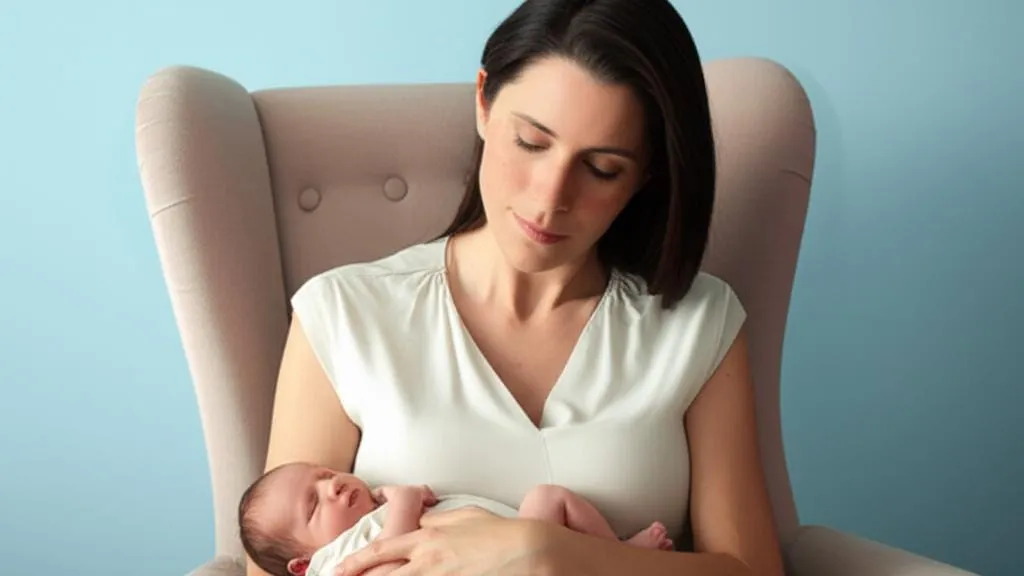
We all think that life is wonderful after having a baby, but sometimes you feel a little sad, lonely, or heavy somewhere in your heart? Do tears come to your eyes for no reason? Don't you feel like doing the things you used to love? You're not alone, many new mothers around the world are facing this experience. Today we're talking about a topic that many people are afraid to talk about, but it's definitely worth talking about, namely postpartum depression.
PHQ-9 depresión uñakipaña. Mä herramienta validada 9 jiskt’awinakampi sintoma depresivo ukanaka uñakipañataki. Sapa kutiw qullirir jisktʼasiñama, ukhamatwa uka usux kunjamas uk yatiñataki ukat qullañataki.
This can happen to anyone.
You might think that this is just me, that it's because of some weakness of mine. But that's not the case. Even Chrissy Teigen, a world-famous model, cookbook author, and wife of a popular singer, shared her experience with the world. Despite seeming to have everything, this situation also occurred to her after she had her daughter.
According to her, when she had her daughter and started going back to work, she felt like she wasn't the same person she used to be. It was a real pain to even get out of bed and go to work on time. She said that not only her back and shoulders hurt, but even her wrists hurt. She didn't have an appetite. She would just talk to people and wouldn't even leave the house when she wasn't working. Sometimes she would start crying for no reason.
It was only when she finally saw a doctor that she realized that it was Postpartum Depression. The most important thing we learn from this story is that this condition can happen to anyone and that there is no need to be ashamed of it or suffer alone.
Are 'Baby Blues' and 'Postpartum Depression' the same thing?
Yes. This is a place where many people get confused. About 80% of mothers experience the 'Baby Blues' after having a baby. But postpartum depression is a much more serious condition. Let's understand the difference between the two.
| Characteristic | 'Baby Blues' | Postpartum Depression |
|---|---|---|
| Duration | It usually starts a few days after the baby is born and disappears on its own within two weeks . | Lasts more than two weeks and can last for months or even longer if left untreated. |
| The nature of feelings | Frequent mood swings, slight sadness, anxiety, crying for no reason. But there are also good times of the day. | Intense sadness, despair, loneliness, guilt. Very little sense of happiness. |
| Daily activities | The ability to care for the baby and oneself is usually not affected. | Difficulty taking care of the baby, doing one's own chores, or even getting out of bed. |
| Relationship with the baby | Takes care of the baby and forms a bond with the baby. | Lack of interest in the baby, staying away from the baby, or fear of harming the baby. |
The important thing is that while the 'baby blues' usually go away on their own, postpartum depression is a medical condition that requires medical treatment .
What are other symptoms of postpartum depression?
Simply put, this is a form of Major Depression. So the symptoms are similar. See if you have these things:
- Constantly feeling sad, empty, or hopeless.
- Loss of interest in things that were previously enjoyable (e.g., talking to a friend, watching a movie).
- Changes in appetite - Some people don't feel like eating, while others feel like eating more than they should.
- Sleep problems - not falling asleep even when the baby is sleeping, or being sleepy all the time.
- Feeling very tired and lacking energy .
- Feelings of guilt such as "I'm not a good mother" and "This is all my fault."
- Difficulty concentrating and making decisions.
- Physical symptoms such as headaches, stomach aches, and body aches that occur for no apparent reason.
- Very rarely,Having thoughts of harming yourself or the baby.
Having one or two of these symptoms doesn't mean you have the disease. But if several of them persist for more than two weeks and are affecting your daily life, it's important to seek medical advice.
Why is this happening to me?
It's hard to pinpoint just one reason for this, but a combination of several factors could be contributing to this.
1. Hormonal Changes: During pregnancy, the levels of the hormones estrogen and progesterone in the body increase dramatically. After the baby is born, these hormone levels drop rapidly. This sudden change can affect brain chemistry and cause depression.
2. Stress: Taking care of a new baby is a big responsibility. Lack of sleep, loss of independence, financial problems, and disagreements with your husband are some of the main reasons for this.
3. Previous history: If you have had depression or another mental illness before, or if someone in your family has had it, you are at higher risk of developing this condition.
4. Lack of social support: If you don't receive enough support from your husband, family, and friends during this difficult time, feelings of loneliness can also worsen the situation.
When should I see a doctor?
If you have these symptoms, please don't suffer alone. This is not a weakness on your part, it is a treatable disease.
- If your 'Baby Blues' don't subside after two weeks .
- If the symptoms are getting worse day by day .
- If it is too difficult to do your daily tasks and take care of the baby .
- If you have even the slightest thought of harming yourself or your baby , see a doctor immediately . If necessary, you can also go to the Emergency Department (ETU) of the nearest hospital.
You can talk to your family doctor (GP), obstetrician-gynecologist (OB/GYN), or psychiatrist about this. They can help you.
What are the treatments?
The good news is that postpartum depression is a very treatable condition. There are two main treatment options.
1. Psychotherapy/Counselling: This is where you talk to a trained counselor or psychiatrist about your feelings and problems. They will guide you on how to deal with these difficult feelings and solve the problems.
2. Medication:In some cases, your doctor may prescribe antidepressants. These help balance brain chemicals and improve your mood. Don't be afraid to say, "I can't take medication because I'm breastfeeding." There are now many medications that are safe for breastfeeding mothers. Your doctor will recommend the best and safest treatment for you and your baby.
Often, using both of these treatments together can achieve better results.
💡 Take-Home Message
- Postpartum depression is not your fault or a weakness. It is a real condition that needs to be treated.
- It is more serious than the 'Baby Blues', and it lasts longer.
- This situation can happen to any mother, at any level of society. So don't be ashamed.
- If you have symptoms, please talk to your doctor instead of suffering alone.
- This condition can be almost completely cured with talk therapy and safe medications.
- The support and understanding of your family and husband is the greatest strength you can receive at this time.






Janiw kuna arsuwinakas jichhakamax uñt’ayatäkiti. Aka chiqanx amuyt’awim jan ukax jiskt’awim yapxatañamawa.