
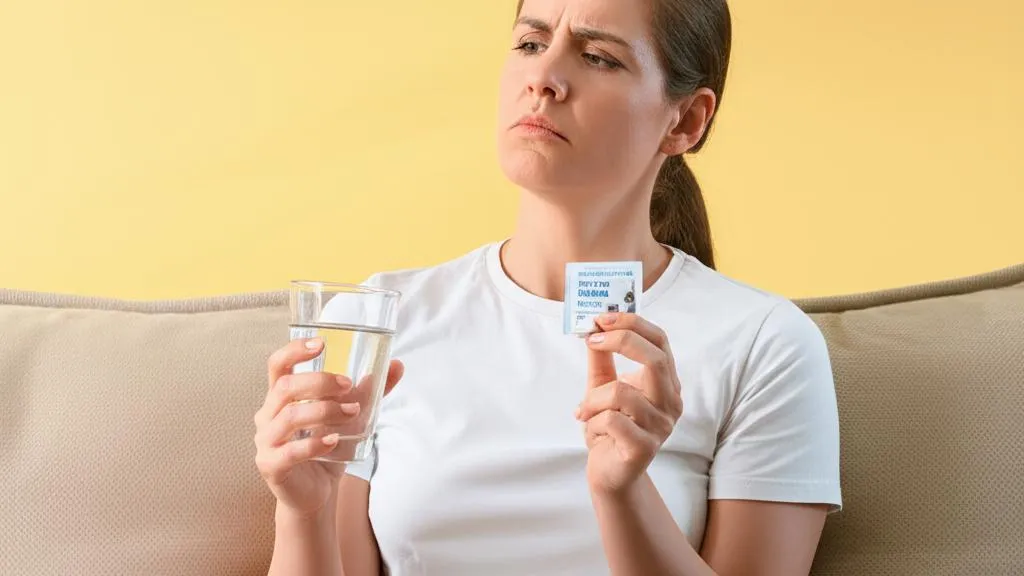
It's normal for you to have aches and pains and a headache when you have a cold or fever. So, most of the time, we quickly go to the pharmacy and buy a painkiller. There are many types of medicines (OTC - Over-the-Counter) that we can take without a doctor's prescription. But when we have a bad fever, we can forget about how safe these medicines are to use. So, today we will talk about these painkillers, the things to be careful about when using them, and how to get relief from them safely.
What are the most commonly used types of painkillers?
The painkillers we commonly use can be divided into two main categories. These are paracetamol (Acetaminophen) and non-steroidal anti-inflammatory drugs, or NSAIDs. Most painkillers you buy at the pharmacy contain one of these two.
These medications will not cure your illness, meaning they will not kill the virus that causes the cold. However, they will control symptoms such as fever, body aches, and headaches , and provide relief until you are completely cured of the illness.
| Painkiller category | A simple explanation | Examples |
|---|---|---|
| NSAIDs (Nonsteroidal Anti-inflammatory Drugs) | These control chemicals in the body that cause pain and inflammation. They also control body temperature and reduce fever. |
|
| Paracetamol (Acetaminophen) | These reduce pain and fever mainly by affecting the parts of the brain that detect pain and control body temperature. |
|
Risks of taking NSAIDs
NSAIDs are safe for most people when taken in the right doses and for a short period of time. However, they can cause serious stomach bleeding in some people. They can also slightly increase the risk of heart attack and stroke.
Who should ask a doctor before taking NSAIDs?
If you have any of the following conditions, be sure to consult your doctor before using NSAID medications.
- If you have stomach problems, such as gastritis.
- If you have high blood pressure, heart disease, liver disease, or kidney disease.
- If you have asthma.
Importantly, taking NSAIDs with alcohol greatly increases the risk of stomach bleeding . Also, taking NSAIDs with blood-thinning medications is very risky. If you drink alcohol or take such medications, be sure to talk to your doctor before taking an NSAID.
Things to be aware of when taking Paracetamol (Acetaminophen)
The main and most serious risk of paracetamol use is liver damage . Taking too much of the medicine, ignoring the maximum dose stated on the medicine box, can cause serious liver damage.
People with liver disease and those who drink alcohol daily (more than two drinks per day for women and more than three for men) should be very careful when taking paracetamol.
Another important thing is to be careful about other medicines you take. Some medicines for colds, coughs, and allergies may also contain paracetamol. So if you take a paracetamol tablet and then another medicine like it, you may accidentally overdose . Therefore, it is very important to read the active ingredients of any medicine before taking it .
If you think you have taken too much paracetamol, don't wait until symptoms appear. Because the signs of liver damage may not be apparent immediately. So go to the nearest Emergency Department (ETU) immediately. If necessary, you can also call the National Poisons Information Centre at the Colombo National Hospital for advice.
Be sure to be careful when giving painkillers to small children!
Children's bodies process medications differently than adults, so you need to be very careful when giving paracetamol or ibuprofen to a child.Always give only pediatric formula medications that are appropriate for the child's age and weight. Avoid giving adult medications to children.
Special points to remember when giving medicine to children:
- Do not give aspirin: Avoid giving aspirin to children and young adults under the age of 18, as it can cause a very serious, life-threatening condition called Reye's syndrome.
- Medical advice: Do not give cough and cold medicines to children, especially those under the age of 4, without consulting a doctor. It is safest to consult a pediatrician before giving any medicine to your child.
- Correct measurement: When giving honey, use only the measuring cup or syringe that comes with the medicine bottle. Do not measure the medicine with household teaspoons or rice spoons.
- Give only the necessary medicine: Give only the medicine that is relevant to the child's symptoms. If it is only a fever, give medicine for the fever. If it is accompanied by a cough, give a medicine that is suitable for it as per the doctor's advice. Avoid giving several types of medicine together unnecessarily.
- Keep safe: Keep all medicines safely stored out of the reach of children.
What suits you best? Paracetamol or NSAIDs?
Some people find that paracetamol helps with cold symptoms. Others find relief with an NSAID like ibuprofen. For many people, both can be equally effective.
So how do you choose the one that suits you?
The best thing to do is to talk to your doctor . Tell him about any other medications you take, any other medical conditions you have (such as heart disease, kidney disease, gastritis), and ask him what painkillers are safest and most suitable for you.
💡 Take-Home Message
- Before taking any medicine, read the label carefully. Be aware of the ingredients and maximum dosage.
- Never take more than the recommended dose of painkillers, especially paracetamol.
- If you are taking multiple medications at the same time, be aware of the ingredients in each one. Avoid taking two medications that contain the same ingredient together.
- If you have other medical conditions or are taking other medications, be sure to consult a doctor before taking a painkiller.
- Be very careful when giving medicine to young children. Always follow medical advice.
- Avoid taking painkillers with alcohol without medical advice.




Janiw kuna arsuwinakas jichhakamax uñt’ayatäkiti. Aka chiqanx amuyt’awim jan ukax jiskt’awim yapxatañamawa.