
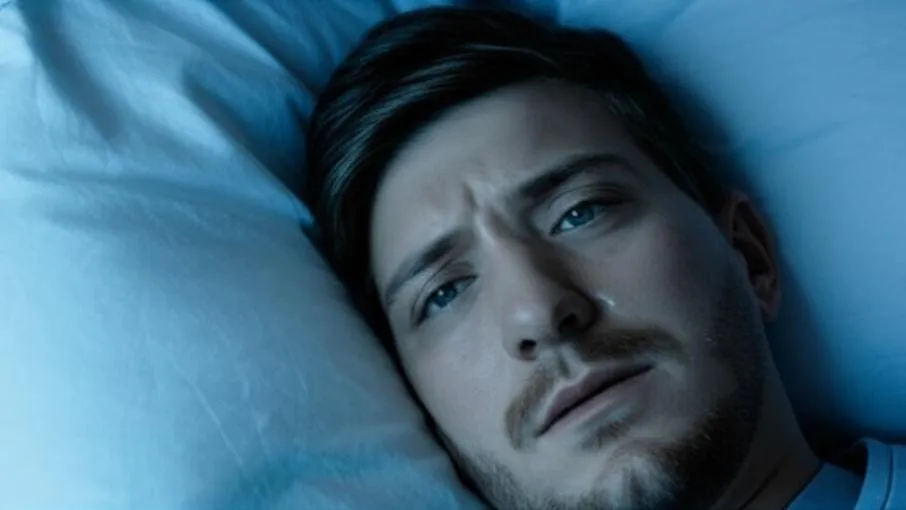
Do you also toss and turn when you go to bed at night without falling asleep? Or do you wake up in the morning and can't get back to sleep? Maybe you have the opposite of this. That is, feeling like you're not getting enough sleep no matter how much you sleep. Behind these sleep problems, there may be a mental condition called depression. There is a very strong connection between the two. Let's talk about it today.
PHQ-9 depresión uñakipaña. Mä herramienta validada 9 jiskt’awinakampi sintoma depresivo ukanaka uñakipañataki. Sapa kutiw qullirir jisktʼasiñama, ukhamatwa uka usux kunjamas uk yatiñataki ukat qullañataki.
So, what is the connection between these sleep problems and depression?
Simply put, insomnia is a major symptom of depression. Similarly, some people may sleep more than they should when they are depressed. Feeling sleepy during the day is another symptom of depression.
But this does not mean that everyone who has sleep problems has depression. Insomnia is a very common problem in the world. However, sleep deprivation can make depression worse. Also, a long-term sleep problem is an important clue to investigate whether someone has depression.
Although having a sleep problem does not cause depression, not getting enough sleep can make the symptoms of depression worse.
So what is this depression?
Depression is a mood disorder. It's not just a feeling of sadness that we feel every now and then. A person with depression experiences prolonged periods of unbearable sadness, hopelessness, feelings of worthlessness , and helplessness. The physical symptoms that accompany these feelings can make it difficult to function properly in everyday life.
Why is good sleep so important to us?
A good night's sleep is a process that restores and repairs our body and mind. It's like charging a phone. When we don't get enough sleep, our stress, anger, and anxiety increase.
Imagine, when you don't get enough sleep, you feel tired all day. You don't feel like exercising because you're tired. When you don't exercise, your physical health deteriorates. This way, you get caught in a vicious cycle of inactivity and sleep problems . This increases both physical and mental problems.
What exactly is insomnia?
Insomnia is the inability to fall asleep, wake up frequently, or be unable to get back to sleep. This condition is very common with mental illnesses like depression. Depression causes feelings of sadness, anxiety, and restlessness that keep your mind from falling asleep. Rumination keeps your mind active and prevents you from falling asleep.
How to treat these sleep problems and depression?
Treatment for depression depends on the severity of the illness. Usually, a combination of talk therapy (psychotherapy) and medication (antidepressants) works best.
While medication can help reduce your symptoms of depression and anxiety, talk therapy can help you develop coping skills and change your negative outlook on life. It can also help you learn ways to help you sleep.
The most important thing is, if you have a problem like this, to see your doctor and talk to him/her instead of suffering alone.
Types of drugs used for treatment
A doctor may prescribe various medications for depression and sleep problems. Never use these medications without medical advice. Below are just a few examples to be aware of.
| Medications to help with depression and sleep | |
|---|---|
| Drug Class | Examples and notes |
| SSRI (Selective Serotonin Reuptake Inhibitors) | For example: Fluoxetine, Sertraline, Escitalopram. Although these are very effective for depression, it can take several weeks to see results. They may also increase insomnia in the beginning. |
| Tricyclic Antidepressants | For example: Amitriptyline, Nortriptyline. These are quite old types of drugs. |
| SNRI (Serotonin/Norepinephrine Reuptake Inhibitors) | Ex: Duloxetine, Venlafaxine. |
| Sedating Antidepressants | For example: Mirtazapine, Trazodone. These cause drowsiness, so they are often prescribed for insomniacs. |
| Hypnotics (sleeping pills) | Examples: Zolpidem (Ambien), Eszopiclone (Lunesta). These are used to treat insomnia in the short term and should only be taken under the close supervision of a doctor. |
Things you can do yourself to improve your sleep Hygiene Tips)
Along with medical treatment, small changes in your lifestyle can greatly improve the quality of your sleep. We call this 'Sleep Hygiene'.
- Before going to bed, clear your mind. Meditate, listen to relaxing music, or read a book. Instead of worrying about what you have to do tomorrow, write it down on a piece of paper and set it aside.
- Exercise, but not too close to bedtime. Exercising daily can help you sleep better. But avoid exercising a few hours before bed.
- Don't look at your phone, tablet, or TV before bed. The blue light emitted by these devices reduces the production of melatonin, the hormone that signals our brain to sleep.
- Control your thoughts. Things like deep breathing or yoga can help you calm your mind and fall asleep more easily.
- Avoid coffee, tea, alcohol, and cigarettes after midnight. These are stimulants that disrupt sleep.
- Don't toss and turn in bed. If you can't fall asleep after about 20 minutes, get out of bed, go to another room, and do something relaxing. Like reading a book or listening to a soft song. Only go back to bed when you feel sleepy.
- Use your bed only for sleeping and having sex. Stop watching TV or working in bed. Your brain will learn that the bed is a place to sleep.
- Keep your bedroom cool, dark, and quiet. Use blackout curtains if necessary. Use earplugs if noise is a problem.
💡 Take-Home Message
- There is a strong link between sleep problems and depression. In addition to insomnia, excessive sleepiness can also be a symptom of depression.
- This condition can be completely cured with treatment, so don't suffer alone, talk to someone you trust.
- The most important thing is to see your doctor and seek advice. It is essential to get an accurate diagnosis and treatment plan.
- In addition to drug treatments, simple changes in your lifestyle and sleep habits (sleep hygiene) can make a big difference.






Janiw kuna arsuwinakas jichhakamax uñt’ayatäkiti. Aka chiqanx amuyt’awim jan ukax jiskt’awim yapxatañamawa.