

Do you always feel tired and lethargic? Do you lose or gain weight for no reason? The reason for these things may be deeper than you think. It is a problem with our body's hormonal system, or as we say in English, the 'Endocrine System'. Let's talk about this simply today.
What is this Endocrine System?
Simply put, it is a system made up of a collection of glands in our body. These glands produce chemical messengers called hormones and release them into the bloodstream. These hormones control many important functions in our body. Think about it, these hormones help control everything from turning the food we eat into energy, to our heartbeat, to the growth of bones and tissues, to even our ability to have a baby.
Like a country's postal service, the endocrine system sends important messages (hormones) from one part of our body to another, coordinating everything properly.
Let's take a look at the major glands in our body and their functions.
| Gland | Its function and importance |
|---|---|
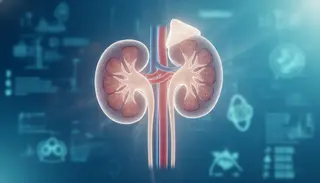
| Adrenal Glands | These two glands, located above the kidneys, produce hormones like cortisol, which are very important for stress management. |
| Hypothalamus | This part of the brain, located in the middle, is what commands the pituitary gland to produce hormones. |
| Islet cells of the pancreas | These cells in the pancreas produce the hormones insulin and glucagon, which control blood sugar levels. |
| Ovaries | Part of the female reproductive system. Its main function is to produce eggs and female sex hormones. |
| Parathyroid glands (Parathyroid) | These four small glands in the neck control the body's calcium levels, making them very important for bone growth. |
| Pineal Gland | This gland, located in the center of the brain, is believed to control our sleep and wakefulness patterns. |
| Pituitary Gland | This gland, located at the base of the brain, is called the "master gland" because it controls the activity of many other glands, such as the thyroid. |
| Testicles (Testes) | Part of the male reproductive system. Its function is to produce sperm and male sex hormones. |
| Thyroid gland | This butterfly-shaped gland located at the front of the neck controls our body's metabolism. That is, it controls the rate at which the body uses energy. |
Even the slightest change in the functioning of any one of these glands can completely disrupt the delicate hormonal balance in our body. This is when endocrine disorders occur.
Why do these hormonal diseases occur?
There are two main categories of causes for these diseases.
1. Hormone Imbalance: A gland producing too much or too little hormone.
2. Lesions or Tumors in the glands:Tumors or nodules in the glands of the endocrine system. These may or may not cause changes in hormone levels.
Our body has an amazing control system. This is called a 'feedback system'. If a hormone in the blood increases or decreases, this system sends a signal to the relevant gland to correct it. If there is a problem with this system, hormonal imbalances can occur.
Other reasons that can cause changes in hormone levels:
- Some kind of illness.
- Genetic causes, that is, genetic conditions that are passed down from generation to generation. For example, Multiple Endocrine Neoplasia (MEN) or problems with the thyroid gland that are present at birth Congenital Hypothyroidism.
- Infections.
- An accident to a gland.
- A cancerous or noncancerous tumor that forms in a gland.
Most of the time, tumors and lumps that develop in these glands are not cancerous. However, the tumor can interfere with the gland's hormone production process.
What are the symptoms of these hormonal diseases?
The symptoms of these diseases vary greatly, depending on which gland is affected. However, two common symptoms that many people with these diseases have are constant fatigue and weakness.
Here are some other symptoms worth discussing with your doctor:
- Changes in heart rate.
- Skin or eye changes (e.g., dry skin, bulging eyes).
- Even a minor fall can cause a broken bone.
- Increased blood sugar levels.
- Increased calcium levels in the blood.
- Decreased or increased blood pressure.
- Changes in body weight for no reason.
- Decreased sexual desire.
- Infertility.
- Irregularities in the menstrual cycle in women.
Common types of hormonal diseases
There are many types of hormonal diseases. Among them , diabetes is the most common endocrine disease in Sri Lanka as well as the world.
Here are some other types of diseases:
Thyroid Disorders
- Hyperthyroidism: The thyroid gland produces more hormones than it should. This can cause weight loss, rapid heartbeat, excessive sweating, and restlessness. Graves' disease is a major cause of this.
- Hypothyroidism: An underactive thyroid gland that produces too little hormone. This can cause symptoms such as fatigue, constipation, dry skin, and depression.
Other common medical conditions
- Polycystic Ovary Syndrome (PCOS):Increased levels of the hormone androgen in women can interfere with ovulation and ovulation. This is a major cause of infertility. This condition is very common among young women in Sri Lanka.
- Adrenal Insufficiency: The adrenal glands produce too little of the hormone cortisol. Symptoms include fatigue, stomach upset, dehydration, and changes in skin color. This type of disease is called Addison's disease.
- Cushing's disease: Overactive adrenal glands due to overproduction of hormones by the pituitary gland.
- Growth hormone problems: If the pituitary gland produces too much growth hormone, a child's body and bones can grow abnormally fast (Gigantism). If this hormone is low, the child's height can stop growing.
Diagnosis and treatment
If you have these symptoms, your family doctor will refer you to a specialist. We call that specialist an 'endocrinologist' .
Blood and urine tests may be done to check your hormone levels, as well as imaging tests to check for any lumps or tumors in the glands.
Treating hormonal disorders can be a bit complicated, as changing the levels of one hormone can affect the levels of another. Therefore, it is very important to have regular blood tests as prescribed by your doctor or specialist and adjust your treatment plan as needed.
💡 Take-Home Message
- The endocrine system is essential for controlling the growth, strength, and function of our body.
- Constant fatigue and weakness can be an early sign of a hormonal disorder, so don't ignore such symptoms.
- Diabetes, thyroid problems, and PCOS are some of the most common hormone-related diseases seen in our country.
- If you suspect you have symptoms of a hormonal disorder, be sure to see a doctor for advice. Avoid self-treatment.





Janiw kuna arsuwinakas jichhakamax uñt’ayatäkiti. Aka chiqanx amuyt’awim jan ukax jiskt’awim yapxatañamawa.