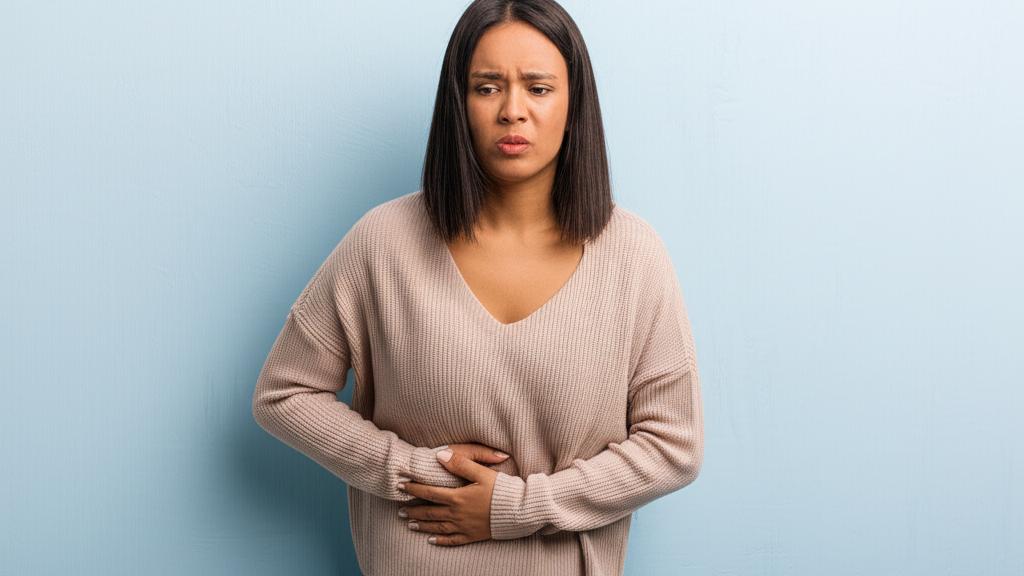
Do you occasionally feel strange pain in your lower abdomen, or perhaps you've been feeling generally unwell since giving birth? Sometimes, these symptoms could be linked to a minor infection. Today, at Nirogi Lanka, we want to talk about Endometritis—a condition that affects many women but is easily managed once you are well-informed. Don't worry; let’s break this down simply so you can fully understand what is happening in your body.
What exactly is Endometritis?
Simply put, Endometritis is an inflammation caused by an infection of the endometrium, the delicate lining inside your uterus. Think of it like a cut on your skin that becomes inflamed, red, and painful—it’s essentially your body’s response to an infection in that area.
This condition generally occurs in two forms:
- Acute Endometritis: This starts suddenly and typically lasts for a short duration. It often occurs after childbirth, following a miscarriage, or after a procedure involving the cervix (cervix) or uterus.
- Chronic Endometritis: This is a persistent or recurring condition. It is more common in individuals after menopause or those with sexually transmitted infections (STIs) such as Chlamydia or Gonorrhea.
Remember, Endometritis is not usually life-threatening. However, if left untreated, or if you don't complete a course of antibiotics, serious complications can arise. That is why staying informed and seeking timely medical advice is vital.
Who is at risk?
Anyone with a uterus can develop Endometritis. You are at higher risk if:
- You have recently given birth: This is one of the most common postpartum infections. A condition known as Chorioamnionitis (an infection of the amniotic sac) during labor can progress to Endometritis after birth. The risk is slightly higher if you have delivered via C-section.
- You have Pelvic Inflammatory Disease (PID): PID is an infection of the upper reproductive system, including the fallopian tubes and ovaries. While caused by various bacteria, it is often linked to unprotected sexual contact. Many people with PID also present with Endometritis.
What are the symptoms of Endometritis?
Watch out for these warning signs:
- Fever: Feeling feverish or experiencing chills.
- Pelvic pain: Persistent or intermittent pain in the lower abdomen.
- Abnormal vaginal bleeding or discharge: Bleeding between your regular periods or experiencing a discharge with an unpleasant odor or unusual color.
- Constipation or pain during bowel movements: Difficulty or discomfort when using the bathroom.
- Abdominal bloating: Feeling swollen or uncomfortably full.
- General malaise: Feeling unusually tired, weak, or generally unwell without a clear reason.
If you experience any of these symptoms—especially if you have recently given birth, had a miscarriage, or undergone a uterine procedure—please consult a doctor immediately. If you feel severe, uncontrollable pain, go to the nearest hospital emergency room.
Why does this happen? What causes Endometritis?
The primary cause is a bacterial infection inside the uterus. Where do these bacteria come from?
- Sexually Transmitted Infections (STIs): Infections like Chlamydia and Gonorrhea.
- Tuberculosis: Although rare, it can sometimes be an underlying cause.
- Natural vaginal flora: Your vagina naturally contains healthy bacteria. However, after childbirth or after certain medical procedures, the natural balance of these bacteria can be disrupted. This can allow bacteria to travel into the uterus and cause an infection, leading to inflammation.
How do doctors diagnose it?
When you visit your doctor, they will discuss your symptoms and likely perform a pelvic exam. To confirm the diagnosis, they may suggest the following tests:
- Vaginal swab tests: To check for bacterial infections or STIs like Chlamydia or Gonorrhea.
- Endometrial biopsy: A small tissue sample is taken from the lining of the uterus to test for the presence of bacteria.
- Laparoscopy: A minor procedure using a small camera to examine the interior of the uterus and surrounding organs.
- Blood tests: Checking your WBC (White Blood Cell count) or ESR (Erythrocyte Sedimentation Rate). Elevated levels usually indicate that your body is fighting an infection or inflammation.
- Microscopic examination: Examining a sample of vaginal discharge under a microscope to identify infection.
Can an Ultrasound show Endometritis?
An ultrasound might show a thickened or irregular-looking endometrial lining. However, an ultrasound alone cannot definitively diagnose Endometritis, as several other conditions can cause similar appearances in the uterine lining.
How is Endometritis treated?
The good news is that this is highly treatable! Your doctor will likely prescribe a course of antibiotics. It is crucial that you complete the entire course exactly as prescribed, even if you start feeling better sooner.
If you have recently given birth or the infection is severe, you may need IV (intravenous) antibiotics at a hospital and strict bed rest to help your body recover.
What happens if it is left untreated?
As mentioned, Endometritis is very treatable if caught early. However, if left untreated, it can lead to more severe infections and long-term complications. Potential risks include:
- Infertility: This refers to a reduced ability or complete inability to conceive a child.
- Pelvic Infections: The infection can spread beyond the uterus to areas such as the fallopian tubes and ovaries.
- Abscesses: As a result of the infection, pus may accumulate, potentially leading to the formation of abscesses.
- Septicemia: This is a serious condition that occurs if the infection spreads into your bloodstream. Septicemia is a medical emergency that requires immediate intervention at the nearest hospital or emergency services.
Therefore, if you experience any symptoms, do not wait and do not panic—please consult a doctor. The sooner you begin treatment, the more effectively you can prevent these types of complications.
How quickly will I recover after treatment?
In most cases, you will begin to feel better as soon as you complete the full course of prescribed antibiotics. Typically, the infection and inflammation resolve completely following proper medical treatment.
What increases the risk of developing this condition?
You may be at a higher risk of developing Endometritis if you have recently given birth or undergone a procedure involving the cervix or uterus. Examples include:
- D&C (Dilation and Curettage): A procedure to clear the uterine lining.
- D&E (Dilation and Evacuation): Another method used to empty the uterus.
- Endometrial biopsy: When a tissue sample is taken from the lining of the uterus.
- Hysteroscopy: A diagnostic procedure where a camera is inserted to examine the inside of the uterus.
- Childbirth: Particularly if there was an existing infection during labor, prolonged rupture of membranes, or if you tested positive for Group B Strep bacteria.
- IUD (Intrauterine device): In some cases, the insertion of a loop for family planning can increase this risk.
Additionally, some individuals may develop such infections due to frequent vaginal douching or inserting foreign objects into the vaginal canal.
Can Endometritis be prevented?
Yes, you can reduce your risk by being mindful of certain health practices.
Since sexually transmitted infections (STIs) are a primary cause of Endometritis, the most effective preventive measures include:
- Practicing safe sex: Always use condoms.
- Seeking early treatment for STIs: Consult a doctor promptly if you notice any concerning symptoms.
- Regular STI screenings: Both you and your partner should remain proactive about your sexual health.
Furthermore, for those undergoing a C-section, doctors will typically provide antibiotics before the surgery to help prevent infection.
When should you see a doctor?
If you experience symptoms of Endometritis (such as fever, lower abdominal pain, or abnormal discharge), you must seek medical attention, especially if you have recently:
- Given birth.
- Had a miscarriage.
- Had an abortion.
- Had an IUD (loop) inserted.
- Undergone surgery involving the uterus or cervix.
Are Endometritis and Endometriosis the same?
No, these are two completely different conditions. However, both affect the inner lining of the uterus, known as the endometrium.
- Endometriosis is a condition where tissue similar to the lining of the uterus grows outside the uterus, such as on the ovaries or fallopian tubes.
- Endometritis is an inflammation of the inner lining of the uterus (the endometrium), most commonly caused by a bacterial infection.
Confused? To put it simply: Endometritis is an inflammation caused by an infection, whereas Endometriosis is the growth of tissue in the wrong location.
Key takeaways for your health
Endometritis is an inflammation of the uterine lining, usually resulting from a bacterial infection. It can be triggered by surgery, childbirth, or sexually transmitted infections (STIs).
The most important thing to remember is that this condition is treatable. If you experience abnormal bleeding, unusual vaginal discharge, fever, or pelvic pain, see a doctor immediately. They can accurately diagnose your condition and prescribe the necessary antibiotics.
While some cases of post-surgical Endometritis are unavoidable, you can significantly lower your risk by using condoms to protect yourself from STIs. Take charge of your health with Nirogi Lanka!