

You may have heard of world-renowned tennis star Serena Williams. After she gave birth to her daughter in 2017, her life was on the line. Serena had a history of blood clots in her lungs. When she had difficulty breathing after giving birth, she told a nurse that she needed a CT scan and a blood thinner immediately. But the nurse thought she was unconscious from the painkillers. But Serena kept asking. Eventually, a CT scan revealed multiple blood clots in her lungs. Serena says her life was saved by the doctors, but the incident revealed something big to society. That is, the higher risks that women of certain ethnicities face during childbirth.
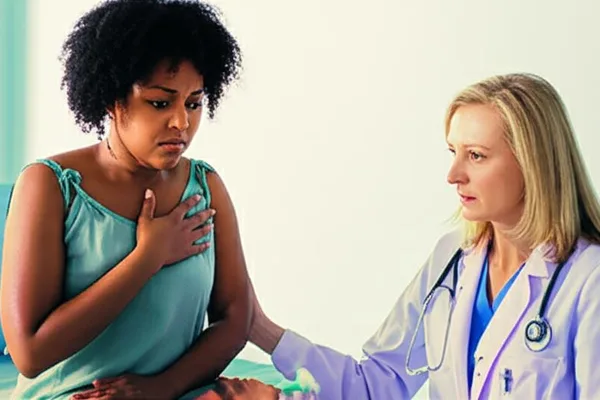
The reasons for this are complex. Due to social inequalities, women from some ethnic groups enter pregnancy with a variety of health problems. They also sometimes face discrimination in healthcare. Research has shown that some doctors spend less time with black patients than with white patients. They may not listen to what they say or take their symptoms seriously. This is not limited to childbirth. Reports show that the quality of care received by minorities can be lower in many areas, such as diabetes, heart disease, and cancer treatment.
What is this institutional racism?
Simply put, racism is a system that creates and maintains inequality between races. This can occur at different levels. Institutional racism is when discrimination occurs within an institution, such as the health care system.
Think about it, doctors, nurses, and other healthcare workers are usually very caring and thoughtful people. But they are also people living in this society. So when they get busy, when the pressure increases, the stereotypes that they have been raised in can come out. This is called `` implicit bias''. This is not something they do consciously.
For example, a doctor might think a patient is not taking their medication properly, so they might suggest a different treatment. In one study, doctors who perceived black patients as "uncooperative" were less likely to refer them for heart attack treatment, even if they had symptoms of heart attack.
This doesn't mean that every doctor is like this. But it's important for us all to be aware of these tendencies that can operate unconsciously throughout the system.
How this affects medical education
Because of these social biases, some doctors enter medical school with certain prejudices. One survey found that half of white medical students believed false myths about black people. For example, they believed that their skin was thicker or that their nerve endings were less sensitive.
Experts say this bias is being reinforced throughout the health system, including medical schools and nursing schools. It is embedded in the curriculum itself. This bias can even be seen in medical textbooks that have pictures of symptoms.
One study found that many medical textbooks under-depict the symptoms of people with dark skin. For six common types of cancer, there was not a single picture showing the symptoms of people with dark skin. This may be why people with dark skin are more likely to die from skin cancer . Because the disease takes longer to be diagnosed, it may be more advanced by the time it is diagnosed.
Moreover, medicine is still taught based on the idea that race is a result of genetic or biological differences rather than social and political factors. Even today, some of the tools and formulas doctors use to prescribe treatment include race. As an unintended consequence, some patients may be less likely to receive certain medications, organ transplants, and referrals to specialists.
Could the care given to minorities be reduced?
This institutional racism in healthcare can lead to a lack of care for minorities. Although this is seen in all areas of medicine, research has focused specifically on these areas.
| Affected area | Examples of what can happen |
|---|---|
| Pain management | Doctors are less likely to prescribe painkillers to minorities. A study in emergency departments (ETUs) found that black patients were 40% less likely to receive medication for acute pain and Hispanic patients were 25% less likely to receive medication for acute pain. |
| Childbirth | Black, Native American, and Alaska Native women in the United States die from pregnancy-related causes at rates two to three times higher than white women. |
| Newborn care | A study has shown that black newborns are more likely to survive when treated by a black doctor than by a white one. Some believe this is due to differences in communication between doctor and patient, but this research suggests that the problem goes deeper than that. |
One organization that is addressing this issue is the All of Us research program. More than 80% of its participants come from communities that have been underrepresented in medical research, and more than 50% come from racial and ethnic minority groups. The hope is that programs like this will generate the data and insights needed to create equitable, inclusive health care for all.
This problem is not limited to America or any other country. In any society, such unwitting biases can arise. The important thing is that we all become aware of our rights as a patient and our responsibilities as healthcare workers.
Take-Home Message
- When talking to your doctor, don't be afraid to be clear and complete about your symptoms and how you're feeling. If you're not sure about something, ask questions.
- If you have any concerns about your treatment or diagnosis, you have the right to get a second opinion. Talk to your doctor about it.
- Understand that there may be unconscious biases in healthcare systems. If you feel you are not being understood correctly, please explain your situation again and again.
- Everyone has the right to equal, high-quality health care, regardless of their race, religion, skin color, or social status.
- Be an active participant in your own health. Be as informed as possible about your condition and treatment.




💬 Comments (0)
No comments have been posted yet. Add your comment here for the first time.
Add your comment