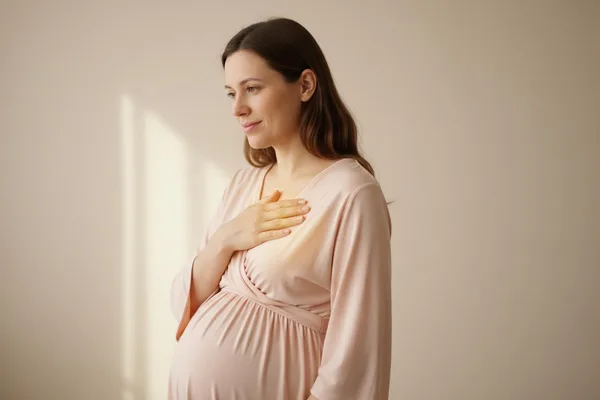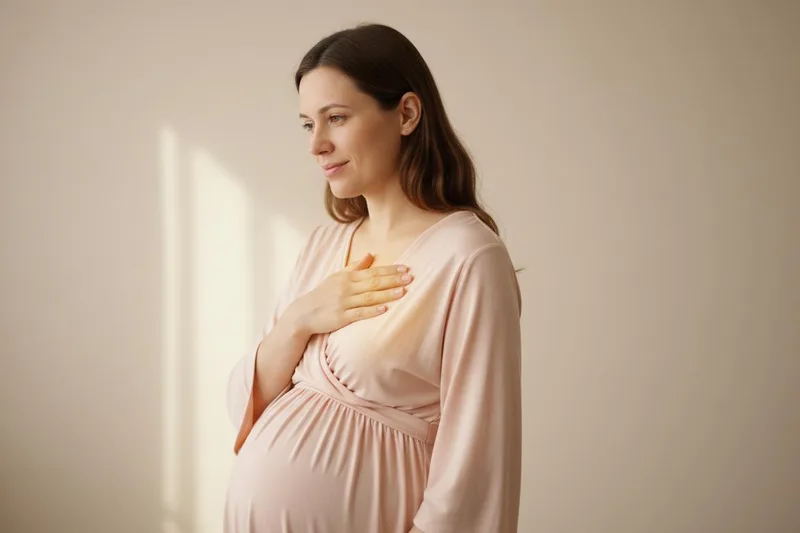
Do you also get heartburn during pregnancy? (Heartburn) Let's talk about this!

Do you also get heartburn during pregnancy? (Heartburn) Let's talk about this!

Are you familiar with the feeling of a burning sensation in your chest and a sour taste in your throat after eating while you are expecting a baby? Sometimes this can be so annoying that it wakes you up at night. This is common for many mothers. Although it is actually called 'heartburn', it has nothing to do with the heart . So don't worry. Let's talk about this in a simple and clear way today.

What exactly is heartburn?

Simply put, this happens when the acids in our stomach flow up into the food pipe ( esophagus ) in our throat. This is medically called 'acid reflux '. It is when these acids hit the esophagus that we feel this burning sensation.

This condition can occur even in non- pregnant women. However, it is more likely to occur during pregnancy due to hormonal changes in our body and the pressure on the stomach as the baby grows. Some studies say that between 30% and 80% of pregnant women experience this condition. This means that it is very common. If you had this condition in a previous pregnancy, or if you had similar problems before becoming pregnant, you are more likely to develop it this time. However, for some people, this is the first time they experience it in their lives.

At what stage of pregnancy is this most felt?

You can experience this burning sensation in your chest at any time during your pregnancy. However, it is most common in the third trimester , the last three months. This is because your uterus is at its largest size at that time, putting pressure on your stomach . As your pregnancy progresses, the frequency and severity of this discomfort may increase.

What are the symptoms of chest inflammation?

These symptoms usually appear within 30 minutes to an hour after eating. But sometimes they can come later. These symptoms can also change with your movements. This discomfort is especially felt if you bend over or lie down after eating.

See the table below for the main features.

Symptom How it feels
Chest inflammation A burning sensation that starts in the middle of the chest and travels up the throat.
Sour taste Feeling a sour or bitter taste in the back of the throat.
Filling the stomach Feeling of pressure or bloating in the stomach.
Regurgitating Feeling like swallowed food is coming back up into the throat.
Frequent urination Going to the bathroom more often than usual.
Vomiting Feeling like you want to vomit.

Although this inflammation is painful, it is usually not severe.

Why does this happen during pregnancy? What are the causes?

This is mainly due to the changes that occur in our bodies during pregnancy to help the baby grow.

  • Hormonal changes: During pregnancy, our hormone levels change a lot. This changes the way we digest food. In particular, the hormone progesterone slows down the digestive system. When food takes longer to digest, it can cause conditions like bloating , heartburn, and constipation.
  • Relaxation of the lower esophageal sphincter (LES):Imagine that there is a gate-like muscle between our stomach and our food pipe (oesophagus). This is called the Lower Esophageal Sphincter (LES) . Normally, when we swallow, this opens to let food pass into the stomach, and then it closes tightly again to stop stomach acids from coming up. But because of the hormone progesterone mentioned earlier, this muscle becomes too relaxed. Then, stomach acids can easily come up.
  • Enlarged uterus: As the baby grows, the uterus also grows. This puts pressure on the other organs in the abdomen, especially the stomach. This pressure can push stomach acids up. This is the main reason why this condition worsens during the third trimester.

What can be done to relieve this discomfort?

If you need quick relief from chest congestion, you can try some of these natural remedies:

  • Eat some yogurt or drink some milk.
  • Add a teaspoon of honey to a glass of warm milk, stir, and drink.
  • Chewing gum can neutralize the acid.

Can I take antacids that I can buy at the pharmacy?

This is very important: Although using liquid or tablet antacids like Tums® and Maalox® may provide relief, it is essential to talk to your doctor before taking any medication during pregnancy.

Because many studies on the safety of medications do not involve pregnant women, there are still things we don't know 100% about the safety of medications during pregnancy. The potential for harm to the baby is especially high during the first trimester. While some medications are safe to take in small amounts, others are completely harmful. So your doctor will tell you exactly what treatment is safest for you and your baby.

What can I do to prevent this chest pain?

You can control this condition to a great extent by making a few small changes to your eating habits and lifestyle.

Habit to change Description and instructions
Eating and drinking habits
Ear size Instead of eating a lot at one meal, eat several small meals (5-6) throughout the day.
Eating speed Chew your food well and eat slowly.
Drink water Avoid drinking too much water while eating. Drink plenty of water during meals.
Foods to avoid Limit oil, spicy foods with a lot of chili, citrus fruits and juices like oranges, carbonated drinks (soda), and caffeine (coffee, tea).
Lifestyle changes
Posture after eating Sit upright while eating. Avoid lying down immediately after eating. Wait at least 2-3 hours.
Sleeping position Raise the head of the bed about a foot. Or sleep with a few pillows and your upper body slightly elevated.
Bad habits Quit smoking and drinking alcohol completely. In addition to causing chest inflammation, these can also cause serious health problems for the baby in the womb.

When should you see a doctor?

If you continue to have chest pain despite making these lifestyle changes, talk to your doctor. He or she can prescribe medications that are safe to take during pregnancy.

In addition, the followingIf you have any of the warning signs, seek medical advice immediately .

  • If the chest pain is so severe that it wakes you up at night.
  • If you have difficulty swallowing food.
  • If blood comes out with the saliva.
  • If the stool is black.
  • If your body weight is decreasing.

Another important thing: The pain you feel during a heart attack can sometimes be similar to the symptoms of a heart attack. If you have never had a heart attack before and you are experiencing chest pain, do not hesitate to call your doctor immediately, or go to the emergency room (ETU) of your nearest hospital.

Is there a connection between heartburn and preeclampsia?

Preeclampsia is a potentially dangerous complication that can occur around mid-pregnancy. It is characterized by high blood pressure, headache, blurred vision, and pain in the right side of the abdomen. Sometimes, chest pain may also be a symptom.

However, if you only have chest pain, it is most likely just normal chest pain. Also, while chest pain occurs in the majority of pregnant women, preeclampsia occurs in only a small percentage, about 8%.

However, if you have any doubts about this, don't take any risks. Be sure to talk to your doctor.

As annoying as this discomfort can be, the good news is that everything goes back to normal after you have the baby. So if you didn't have this problem before you got pregnant, there's a good chance it will go away completely after you have the baby.

Take-Home Message

  • Chest pain during pregnancy is very common and normal. There is no need to worry about it.
  • Making a few simple changes to your eating habits and lifestyle can greatly reduce this discomfort.
  • Always consult your doctor before using any medication obtained from a pharmacy or elsewhere.
  • It is very important to be aware of severe symptoms such as difficulty swallowing, black stools, or weight loss and seek medical advice immediately.

Heartburn during pregnancy, pregnant mother, heartburn treatment, heartburn in pregnancy sinhala, heartburn during pregnancy, stomach inflammation, pregnancy health

Frequently Asked Questions (FAQ)

Is there a connection between heartburn and preeclampsia?

Preeclampsia is a potentially dangerous complication that can occur around mid-pregnancy. It is characterized by high blood pressure, headache, blurred vision, and pain in the right side of the abdomen. Sometimes, chest pain may also be a symptom.

⚠️ Important: The medical articles and information on Nirogi Lanka are for general awareness only, and are by no means a substitute for professional medical advice, diagnosis, or treatment. For any medical problem you have, consult a qualified physician immediately.

💬 Comments (0)

No comments have been posted yet. Add your comment here for the first time.

Add your comment

Please calculate: 2 + 8 =
Do you also get heartburn during pregnancy? (Heartburn) Let's talk about this!

Do you also get heartburn during pregnancy? (Heartburn) Let's talk about this!

Are you familiar with the feeling of a burning sensation in your chest and a sour taste in your throat after eating while you are expecting a baby? Sometimes this can be so annoying that it wakes you up at night. This is common for many mothers. Although it is actually called 'heartburn', it has nothing to do with the heart . So don't worry. Let's talk about this in a simple and clear way today.

What exactly is heartburn?

Simply put, this happens when the acids in our stomach flow up into the food pipe ( esophagus ) in our throat. This is medically called 'acid reflux '. It is when these acids hit the esophagus that we feel this burning sensation.

This condition can occur even in non- pregnant women. However, it is more likely to occur during pregnancy due to hormonal changes in our body and the pressure on the stomach as the baby grows. Some studies say that between 30% and 80% of pregnant women experience this condition. This means that it is very common. If you had this condition in a previous pregnancy, or if you had similar problems before becoming pregnant, you are more likely to develop it this time. However, for some people, this is the first time they experience it in their lives.

At what stage of pregnancy is this most felt?

You can experience this burning sensation in your chest at any time during your pregnancy. However, it is most common in the third trimester , the last three months. This is because your uterus is at its largest size at that time, putting pressure on your stomach . As your pregnancy progresses, the frequency and severity of this discomfort may increase.

What are the symptoms of chest inflammation?

These symptoms usually appear within 30 minutes to an hour after eating. But sometimes they can come later. These symptoms can also change with your movements. This discomfort is especially felt if you bend over or lie down after eating.

See the table below for the main features.

Symptom How it feels
Chest inflammation A burning sensation that starts in the middle of the chest and travels up the throat.
Sour taste Feeling a sour or bitter taste in the back of the throat.
Filling the stomach Feeling of pressure or bloating in the stomach.
Regurgitating Feeling like swallowed food is coming back up into the throat.
Frequent urination Going to the bathroom more often than usual.
Vomiting Feeling like you want to vomit.

Although this inflammation is painful, it is usually not severe.

Why does this happen during pregnancy? What are the causes?

This is mainly due to the changes that occur in our bodies during pregnancy to help the baby grow.

  • Hormonal changes: During pregnancy, our hormone levels change a lot. This changes the way we digest food. In particular, the hormone progesterone slows down the digestive system. When food takes longer to digest, it can cause conditions like bloating , heartburn, and constipation.
  • Relaxation of the lower esophageal sphincter (LES):Imagine that there is a gate-like muscle between our stomach and our food pipe (oesophagus). This is called the Lower Esophageal Sphincter (LES) . Normally, when we swallow, this opens to let food pass into the stomach, and then it closes tightly again to stop stomach acids from coming up. But because of the hormone progesterone mentioned earlier, this muscle becomes too relaxed. Then, stomach acids can easily come up.
  • Enlarged uterus: As the baby grows, the uterus also grows. This puts pressure on the other organs in the abdomen, especially the stomach. This pressure can push stomach acids up. This is the main reason why this condition worsens during the third trimester.

What can be done to relieve this discomfort?

If you need quick relief from chest congestion, you can try some of these natural remedies:

  • Eat some yogurt or drink some milk.
  • Add a teaspoon of honey to a glass of warm milk, stir, and drink.
  • Chewing gum can neutralize the acid.

Can I take antacids that I can buy at the pharmacy?

This is very important: Although using liquid or tablet antacids like Tums® and Maalox® may provide relief, it is essential to talk to your doctor before taking any medication during pregnancy.

Because many studies on the safety of medications do not involve pregnant women, there are still things we don't know 100% about the safety of medications during pregnancy. The potential for harm to the baby is especially high during the first trimester. While some medications are safe to take in small amounts, others are completely harmful. So your doctor will tell you exactly what treatment is safest for you and your baby.

What can I do to prevent this chest pain?

You can control this condition to a great extent by making a few small changes to your eating habits and lifestyle.

Habit to change Description and instructions
Eating and drinking habits
Ear size Instead of eating a lot at one meal, eat several small meals (5-6) throughout the day.
Eating speed Chew your food well and eat slowly.
Drink water Avoid drinking too much water while eating. Drink plenty of water during meals.
Foods to avoid Limit oil, spicy foods with a lot of chili, citrus fruits and juices like oranges, carbonated drinks (soda), and caffeine (coffee, tea).
Lifestyle changes
Posture after eating Sit upright while eating. Avoid lying down immediately after eating. Wait at least 2-3 hours.
Sleeping position Raise the head of the bed about a foot. Or sleep with a few pillows and your upper body slightly elevated.
Bad habits Quit smoking and drinking alcohol completely. In addition to causing chest inflammation, these can also cause serious health problems for the baby in the womb.

When should you see a doctor?

If you continue to have chest pain despite making these lifestyle changes, talk to your doctor. He or she can prescribe medications that are safe to take during pregnancy.

In addition, the followingIf you have any of the warning signs, seek medical advice immediately .

  • If the chest pain is so severe that it wakes you up at night.
  • If you have difficulty swallowing food.
  • If blood comes out with the saliva.
  • If the stool is black.
  • If your body weight is decreasing.

Another important thing: The pain you feel during a heart attack can sometimes be similar to the symptoms of a heart attack. If you have never had a heart attack before and you are experiencing chest pain, do not hesitate to call your doctor immediately, or go to the emergency room (ETU) of your nearest hospital.

Is there a connection between heartburn and preeclampsia?

Preeclampsia is a potentially dangerous complication that can occur around mid-pregnancy. It is characterized by high blood pressure, headache, blurred vision, and pain in the right side of the abdomen. Sometimes, chest pain may also be a symptom.

However, if you only have chest pain, it is most likely just normal chest pain. Also, while chest pain occurs in the majority of pregnant women, preeclampsia occurs in only a small percentage, about 8%.

However, if you have any doubts about this, don't take any risks. Be sure to talk to your doctor.

As annoying as this discomfort can be, the good news is that everything goes back to normal after you have the baby. So if you didn't have this problem before you got pregnant, there's a good chance it will go away completely after you have the baby.

Take-Home Message

  • Chest pain during pregnancy is very common and normal. There is no need to worry about it.
  • Making a few simple changes to your eating habits and lifestyle can greatly reduce this discomfort.
  • Always consult your doctor before using any medication obtained from a pharmacy or elsewhere.
  • It is very important to be aware of severe symptoms such as difficulty swallowing, black stools, or weight loss and seek medical advice immediately.

Heartburn during pregnancy, pregnant mother, heartburn treatment, heartburn in pregnancy sinhala, heartburn during pregnancy, stomach inflammation, pregnancy health

Frequently Asked Questions (FAQ)

Is there a connection between heartburn and preeclampsia?

Preeclampsia is a potentially dangerous complication that can occur around mid-pregnancy. It is characterized by high blood pressure, headache, blurred vision, and pain in the right side of the abdomen. Sometimes, chest pain may also be a symptom.

⚠️ Important: The medical articles and information on Nirogi Lanka are for general awareness only, and are by no means a substitute for professional medical advice, diagnosis, or treatment. For any medical problem you have, consult a qualified physician immediately.

💬 Comments (0)

No comments have been posted yet. Add your comment here for the first time.

Add your comment

Please calculate: 2 + 8 =