

It's normal to get acne when you're in school. But now, even after you've crossed the age of 20, 30, or 40, isn't this acne problem going away? Do you get new acne, especially when your monthly menstrual cycle (periods) are approaching, or on days when you're under a lot of stress? Then there's a big chance that you too have 'hormonal acne'. Let's talk about this today.
BMI Calculator
Know your body mass index (BMI) and weight classification
What is hormonal acne?
Simply put, hormonal acne is a type of acne that occurs due to changes in hormone levels in our body. It is most common in adults between the ages of 20 and 50. That's why it's also called "adult acne."
The main reason for this is that our skin's sebaceous glands produce more oil (sebum) than they should . This excess oil, along with dead skin cells and bacteria, clogs the pores of our skin. The result is acne, which none of us like.
These pimples can come in different forms:
- Common red pimples )
- Blackheads
- Whiteheads
- Painful cysts that grow under the skin
Who is most affected by this situation?
Although this condition can affect both men and women, it is most common in women . In particular,
- Regarding the monthly menstrual cycle
- During pregnancy
- During menopause
- After stopping birth control pills
This type of acne is more common during times of major hormonal changes like this.
Sometimes we think this is a fungal infection (fungal acne). But don't confuse the two. Fungal infections are caused by a type of yeast, but hormonal acne is caused by excess oil production.
What are the causes of hormonal acne?
We can divide the reasons for this into two categories: things we can control and things we cannot control.
| Things we can control | Things that are hard for us to control |
|---|---|
| Stress:When you're under a lot of stress, your body's hormones can change and acne can increase. | Hormonal changes in women: Hormonal changes that occur with things like the monthly menstrual cycle, pregnancy, and menopause. |
| Lack of sleep: Not getting enough sleep is also a cause of hormonal imbalance. | Genetics: If your mother or father had a tendency to get acne, you are at higher risk. |
| Incompatible cosmetics: Using oily or non-comedogenic cosmetics. | Some medical conditions: Conditions such as Polycystic Ovary Syndrome (PCOS). |
| Certain foods: Foods high in refined sugars and carbs can increase acne in some people. | Certain medications: Acne can occur as a side effect of certain medications, such as steroids. |
Acne spots and symptoms
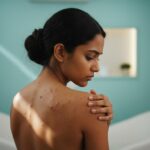
Hormonal acne usually occurs most often on the lower part of the face, that is, on the cheeks, jawline, and chin . But in addition,
- Neck
- Chest
- Upper back
- Shoulders
These pimples can sometimes become red, swollen, and painful to the touch. Cystic acne, which grows deep within the skin, is especially painful.
These things can make acne worse
- Squeezing and popping pimples: This causes bacteria to spread further, causing more pimples and scarring.
- Humid weather: Excessive sweating can quickly clog skin pores.
- Stress: As mentioned before, stress is not the best friend of acne.
How exactly is this treated?
The most important thing is not to put anything on your face that you feel like doing. A doctor will determine the most appropriate treatment for your acne based on the condition of your acne. Here are some of the treatments that are commonly given.
| Acne type/severity | Commonly given treatments |
|---|---|
| Blackheads and whiteheads (Blackheads and Whiteheads) | Creams that are applied to the top layer of the skin. For example, things like Tretinoin. |
| Swollen, red pimples (Inflammatory Acne) | Retinoid-type creams, antibiotic creams, or products containing benzoyl peroxide. |
| Moderate to severe acne (Moderate to Severe Acne) | Strong medications like oral antibiotics or isotretinoin. |
| Large, painful cysts (Cystic Acne) | Sometimes a doctor will give a steroid injection directly into the tumor for faster healing. |
The most important thing is that none of these treatments should be used on their own. Some medications are not suitable at all, especially during pregnancy. You should definitely see your doctor and get the most appropriate and safest treatment for your condition.
Additionally, some people can reduce acne by controlling hormones with oral contraceptives. There are also things like laser therapy. It all depends on your situation.
How long does it take to recover after starting treatment?
This is a question that many people ask. Acne is not something that can be cured overnight. Patience is very important. It usually takes about 4-6 weeks after starting treatment.That's when you'll see a difference. Sometimes it can take even longer. Continuing to use the treatment your doctor prescribes for the prescribed period also helps prevent new acne from forming.
What can we do to reduce acne?
Although hormonal changes cannot be completely stopped, there are several things we can do to help reduce the appearance of acne.
- Maintain good skin care: Wash your face twice a day with a gentle cleanser. Choose non-comedogenic makeup and skincare products.
- Take care of your diet: reduce foods high in sugar, flour, and fat, and add more vegetables, fruits, and clean water.
- Manage stress: Engage in activities like yoga, meditation, and exercise.
- Get enough sleep: It is very important to get 7-8 hours of good sleep a day.
If acne is affecting your self-confidence, don't worry about it. This is a common condition that many people experience. With the right treatment, it can be completely controlled. So, if you are having trouble controlling your acne, see a good dermatologist.
💡 Take-Home Message
- Hormonal acne is a common condition among adults, especially women.
- The main reason for this is that hormonal changes cause the skin to produce more oil.
- Avoid squeezing and popping pimples. This can cause scarring and spread infection.
- Do not use over-the-counter medications on your own. Always seek medical advice.
- Treatments take time to show results, so be patient and continue with the treatment.




No comments yet. Be the first to share your question or experience below.