
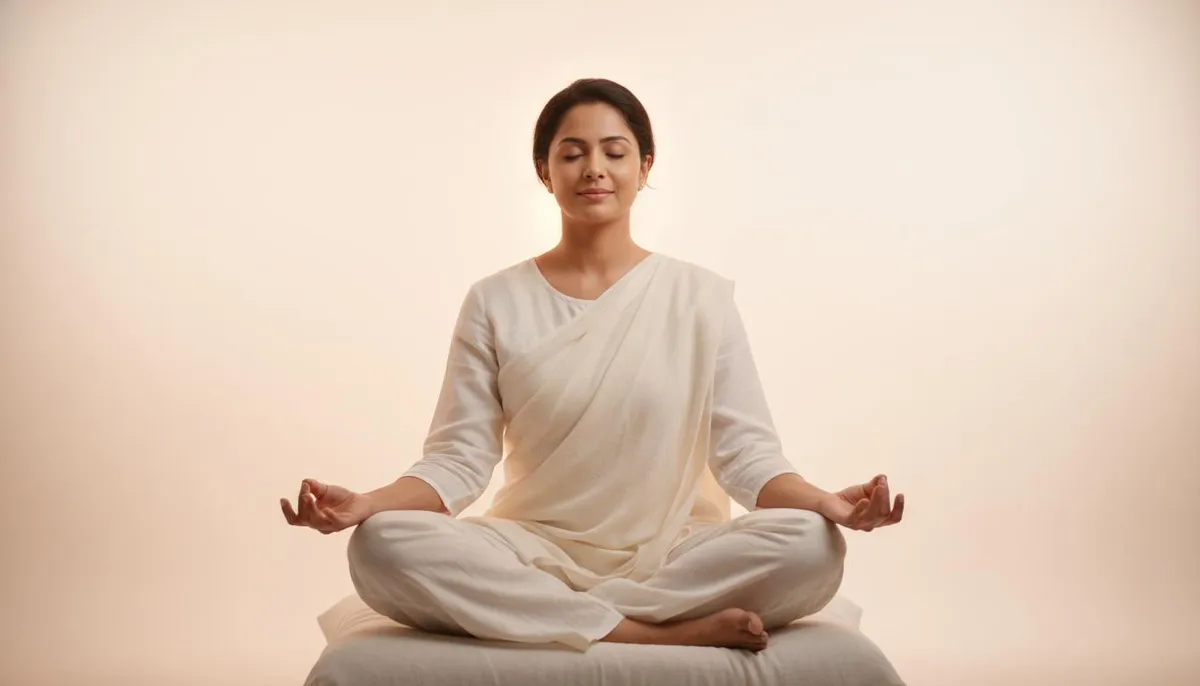
The biggest problem we all face these days is the lack of freedom and peace of mind. We are always worried and anxious about things, right? So, in times like these, meditation is a way to calm our minds and bring them to a place of peace. This is not a new thing, it is a method that is thousands of years old.
What exactly is meditation?
Simply put, meditation is a mental and physical technique used to either focus your mind on a single goal or to completely clear your mind. Depending on the meditation method you choose, you can relax your mind, reduce anxiety, and reduce stress . Some people also use meditation to overcome challenges such as quitting smoking.
Previously, these were only discussed from a religious perspective. But now, with new technology, scientists are looking into this meditation in detail. Especially with the help of (EEG - Electroencephalography), which measures the electrical waves of the brain, and (fMRI - functional Magnetic Resonance Imaging), which measures brain activity, we have discovered how meditation can have a positive effect on our brain and mental health.
When someone meditates, it may seem like they are just breathing or saying a word slowly. However, inside that person's brain, a big change is happening.
Is meditation just a religious thing?
You can say that, or you can say no. In fact, meditation has its roots in ancient philosophies and several of the world's major religions. However, you don't have to be religious to meditate .
Here are some religious and non-religious meditation methods:
- Buddhist meditation: There are several meditation methods that come from Buddhism (which is considered a philosophy as well as a religion). Theravadan meditation is popular in South Asia, especially in India and Thailand. Zen Buddhist meditation originated in China and later developed in various ways in countries like Japan. Tibetan Buddhist tantric meditation comes from Tibet.
- Christian meditation: Contemplation is the act of thinking deeply about a question, idea, religious concept, or God. This is common in Christianity. Prayer is sometimes considered a form of meditation.
- Guided meditation: This is a non-religious method. It can be done with a group or alone. It is used in things like counseling and therapy.
- Osho meditation: Also known as "Dynamic meditation", this is a method that originated in India and has its roots in Hinduism. Breathing exercises are done deliberately and rapidly.
- Sufi meditation: Sufism is a branch of Islam, and meditation is common among them.
- Taoist meditation: Like Buddhism, Taoism is considered a religion and a philosophy. It originated in China.
- Transcendental meditation: This is also a method that came from India. Mantras are words or phrases that are repeated aloud or mentally, focusing on them.
- Yoga: This is a physical exercise and meditation practice that originated in India. It can be practiced in both religious and non-religious ways.
How do we meditate?
There is no single right way to meditate. That's because meditation can come in many forms. Experts have analyzed meditation techniques and found several common processes that occur across different meditation methods. They are:
- Body-centered meditation: This is sometimes called self-scanning.'' This involves paying attention to the physical sensations throughout your body. Imagine slowly moving your attention from the tips of your toes to the top of your head.
- Contemplation: This usually involves thinking deeply about a problem or a conflicting idea, without letting your mind wander.
- Emotion-focused meditation: In this meditation technique, you focus on a specific emotion. For example, thinking about how to be kind to others, or thinking about what things in your life bring you joy.
- Mantra meditation: This involves repeating a specific phrase or sound (out loud or in your mind) and focusing on it.
- Meditation with movement: This type of meditation can involve breathing, holding your breath, or performing specific body movements. It also includes walking while paying attention to what you see around you.
- Mindfulness meditation: This meditation technique involves being aware of what is happening in the present moment. It involves being present in the present moment , without worrying about the past or the future. As with body-centered meditation, it also involves using your body to be aware of your surroundings.
- Visual meditation: In this meditation method, you focus on something you see (either with your eyes or an image you imagine in your mind).
What does meditation really do? What are the benefits?
In general, people who meditate regularly are more likely to experience these benefits:
- Reduction in symptoms of conditions such as anxiety, depression, or post-traumatic stress disorder (PTSD).
- Improved thinking, concentration, and problem-solving abilities.
- Having a better ability to adapt to and overcome emotional problems.
Because mental health greatly affects our physical health, along with these mental benefits, there are many other physical benefits, such as better sleep, lower blood pressure, and improved heart function.
How does meditation work? What is the science behind it?
Thanks to new technology, researchers and doctors can now see how meditation affects your brain. To understand some of these changes, it's helpful to know a little about the structure of the brain.
Your brain has billions of cells called neurons. These send messages to each other using electrical and chemical signals. One neuron connects to thousands of other neurons. This is how these neurons form networks across different parts of your brain. These networks come together to form different areas of the brain. Each area has different functions and specialties.
Several studies have found that people who meditate regularly have certain changes in their brain structure . These changes can generally be an increase in brain tissue density or an increase in the size of certain areas of the brain. This shows that the neurons there have more connections with each other and that those connections are stronger.
The areas of the brain that are affected in this way are usually the areas that control your senses (such as vision and hearing), your ability to think and focus, and your ability to process your emotions. This means that people who meditate regularly have healthier brains, are less likely to experience the declines that come with aging, and are better able to deal with and process negative emotions like fear, anger, and sadness.
How do I start meditating daily?
With so many different meditation methods, it can be a bit difficult to find what works for you, what you like best. But luckily, there are plenty of ways to make it easier.
- Research: The first step is to learn about different meditation techniques. You can find books at the library or bookstore, or you can find a lot of information online.
- Talk to your doctor: Your family doctor or a mental health counselor are the best people to learn about meditation. They can also help you find meditation programs and teachers in your area.
- Ask for guidance: Ask people you know or people online who are interested in the same things. There are plenty of people who know about meditation and who meditate. If no one knows directly, social media platforms like YouTube or Reddit can be a good place to start. There are even smartphone apps that can help you meditate.
Once you've found a meditation method to try, these tips will help you:
- Learn what you like: Some people like to meditate in the morning, others at night. Choose the time that works best for you!
- Make time:Set aside time in your day to meditate and make it a part of your daily routine. The secret to getting the most out of this practice is to meditate regularly.
- Create a suitable environment: A quiet, calm, and comfortable place is best for meditation. Some meditation techniques require you to sit upright, while others require you to lie down. Some require walking, so you can find a park or walking path that you like.
- Don't be afraid to ask for help: It's okay if meditation doesn't come easily to you, you're not alone. Explore resources, both in person and online, and ask for guidance. There are plenty of people who are interested in meditation and can give you ideas. You may even be able to find a meditation teacher or class near you.
Finally, things to remember
Meditation is an ancient practice that comes in many forms and styles. While meditation has been practiced as a religious practice throughout history, you don't have to be religious to practice it and experience its benefits . Thanks to advances in medical technology and science, experts now understand how meditation affects your brain and body. Research shows that regular meditation has many benefits for your mind and body. Whether you're already familiar with meditation or just starting out, there's plenty of information and resources out there to help you take a deep breath, focus, and make meditation a part of your life in a way that works for you. So, give it a try!






Janiw kuna arsuwinakas jichhakamax uñt’ayatäkiti. Aka chiqanx amuyt’awim jan ukax jiskt’awim yapxatañamawa.