How to get back up after the biggest tragedy of your life? (Grief and Coping)

How to get back up after the biggest tragedy of your life? (Grief and Coping)

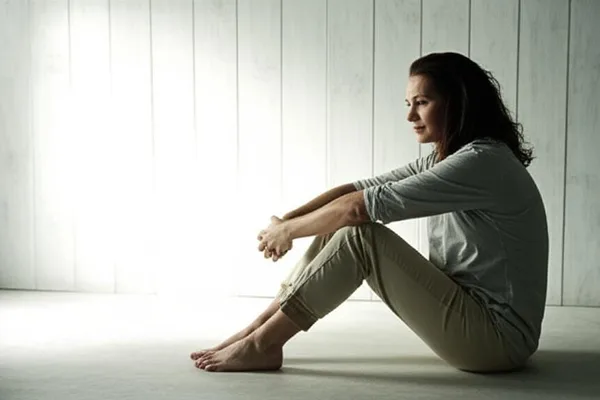
When someone very close to you, perhaps your husband, wife, child, mother, or father, suddenly passes away at an unimaginable time... The pain you feel is indescribable, isn't it? It feels like the whole world has crashed down on you. How do you start your life again after such a huge shock and unbearable grief? How do you get up and put your mind at ease for others? Today we're going to talk about a few things that can help you find that strength.

Stories of mothers who turned grief into strength

Although these stories are from mothers abroad, grief knows no country, race, or religion. That feeling is common to everyone. And so is the strength a person has to overcome grief. Look at how these mothers, after losing their husbands in a sudden terrorist attack, endured that grief and stood up for their children and for society.

Laura's Story: Standing Up for the Child

Laura had a 4-year-old son with special needs, a.k.a. autistic, named Willie. Laura and her husband took care of Willie together. But after her husband suddenly passed away, Willie's full responsibility fell on Laura's shoulders.

The son was very upset about losing his father. He forgot the things he had learned with his father, for example, how to go to the toilet by himself. He was hoping that his father would come back. Since he could not speak, he could only continue to say "sad" in sign language.

At this point, the most important thing Laura had to do was to get her son into a good school. She did it, even though it was very difficult. Little by little, her son recovered. Now she remembers her father with joy. Laura is now working to build a special school for her son and other autistic children. It had been a dream of both her and her husband.

When you put your own sorrow aside and do something for someone who depends on you, that in itself becomes a great source of strength to live.

Patricia's Story: Helping Others Suffer

Patricia had lost one of her daughters to bronchial pneumonia six years before this incident. Then her son also died in the same tragedy. Unable to bear the pain, she went to see a psychiatrist , or therapist. The doctor prescribed her antidepressants and tranquilizers.

He didn't stop there. He decided he wanted to help others who were suffering like him. He started a support group in his area for other families who had lost loved ones. Now, through it, many people have had the opportunity to share their grief and find peace of mind.

"If my son were here, he would be so proud of me," Patricia says. She is determined to make something good come out of her children's deaths .

What are some ways to help cope with grief?

From these stories, we can see that these mothers coped with their grief in different ways. But they all found some purpose. Let's summarize this in a table.

How to face the challenge Description and example
Finding a new purpose Laura's dedication to her special needs son and her efforts to start a school for other children like him.
Helping others Patricia started a support group for those who were grieving like her, feeling that she was not alone and finding comfort in serving others.
Fighting for change Two other mothers (Sally and Domenica) formed a group to lobby for changes to building safety laws to ensure that others do not suffer the same fate as their children.
Staying strong for family Diana, trying to be strong in front of her children. When they needed to cry, she cried alone to be a strong back (a strong back) for them.
Getting help from others Diana says that the support of other women in the community was a great source of strength for her. It's not good to be alone in grief, and you don't need to be alone.

Do you feel more sad on special days?

When you lose a loved one, it can be especially painful on special occasions like birthdays, New Year's Day, and Mother's Day. It's very normal. Here are some things that can help you during such times.

  • Accept your feelings: If you feel sad and want to cry, let it be. Don't bottle up your feelings by thinking, "I need to be strong." Grief is a process that takes time. It's not something you can just say, "Okay, that's enough."
  • Get together with family: Instead of being alone, get together with other family members. If you're a mother with children, the burden of trying to play the " happy mom" is lessened a bit when you're with other people.
  • Do something for yourself: Do something you enjoy. Take a nice bath, read a book, go to a relaxing place, get a massage. It's important for you to pamper yourself.
  • Remember the person you lost with love: cook a meal they liked and give them alms, go back to a place you went to with them, look at their pictures, and share good memories of them with others.
  • Seek medical advice: Sometimes this grief can be overwhelming. If you can't sleep, don't feel like eating, or can't even do your daily tasks, definitely see your doctor for advice. If necessary, he or she will refer you to a mental health specialist. Asking for help is not a sign of weakness, it's a sign of strength.

Bereavement caused by a sudden shock can be more difficult to cope with than normal grief, so it is important to get help during such times.

Take-Home Message

  • It's normal to feel overwhelmed by grief when you lose a loved one. It's not wrong to feel sad or cry. Allow yourself to feel those feelings.
  • The time it takes to recover from grief varies from person to person. Don't pressure yourself into thinking you need to get over this quickly.
  • Don't suffer alone. Share your sorrow with your family and friends. It's a great relief.
  • Finding a new purpose, such as helping others or caring for those who depend on you, such as children, can be a great source of strength for living.
  • If you are experiencing unbearable pain or are mentally distressed, do not hesitate to see your doctor and seek medical advice. It is a symbol of strength.

Grief, grief, death, mental health, bereavement, loss, trauma, support
⚠️ Important: The medical articles and information on Nirogi Lanka are for general awareness only, and are by no means a substitute for professional medical advice, diagnosis, or treatment. For any medical problem you have, consult a qualified physician immediately.

💬 Comments (0)

No comments have been posted yet. Add your comment here for the first time.

Add your comment

Please calculate: 9 + 5 =
How to get back up after the biggest tragedy of your life? (Grief and Coping)
For ParentsNovember 9, 2025

How to get back up after the biggest tragedy of your life? (Grief and Coping)

When someone very close to you, perhaps your husband, wife, child, mother, or father, suddenly passes away at an unimaginable time... The pain you feel is indescribable, isn't it? It feels like the whole world has crashed down on you. How do you start your life again after such a huge shock and unbearable grief? How do you get up and put your mind at ease for others? Today we're going to talk about a few things that can help you find that strength.

Stories of mothers who turned grief into strength

Although these stories are from mothers abroad, grief knows no country, race, or religion. That feeling is common to everyone. And so is the strength a person has to overcome grief. Look at how these mothers, after losing their husbands in a sudden terrorist attack, endured that grief and stood up for their children and for society.

Laura's Story: Standing Up for the Child

Laura had a 4-year-old son with special needs, a.k.a. autistic, named Willie. Laura and her husband took care of Willie together. But after her husband suddenly passed away, Willie's full responsibility fell on Laura's shoulders.

The son was very upset about losing his father. He forgot the things he had learned with his father, for example, how to go to the toilet by himself. He was hoping that his father would come back. Since he could not speak, he could only continue to say "sad" in sign language.

At this point, the most important thing Laura had to do was to get her son into a good school. She did it, even though it was very difficult. Little by little, her son recovered. Now she remembers her father with joy. Laura is now working to build a special school for her son and other autistic children. It had been a dream of both her and her husband.

When you put your own sorrow aside and do something for someone who depends on you, that in itself becomes a great source of strength to live.

Patricia's Story: Helping Others Suffer

Patricia had lost one of her daughters to bronchial pneumonia six years before this incident. Then her son also died in the same tragedy. Unable to bear the pain, she went to see a psychiatrist , or therapist. The doctor prescribed her antidepressants and tranquilizers.

He didn't stop there. He decided he wanted to help others who were suffering like him. He started a support group in his area for other families who had lost loved ones. Now, through it, many people have had the opportunity to share their grief and find peace of mind.

"If my son were here, he would be so proud of me," Patricia says. She is determined to make something good come out of her children's deaths .

What are some ways to help cope with grief?

From these stories, we can see that these mothers coped with their grief in different ways. But they all found some purpose. Let's summarize this in a table.

How to face the challenge Description and example
Finding a new purpose Laura's dedication to her special needs son and her efforts to start a school for other children like him.
Helping others Patricia started a support group for those who were grieving like her, feeling that she was not alone and finding comfort in serving others.
Fighting for change Two other mothers (Sally and Domenica) formed a group to lobby for changes to building safety laws to ensure that others do not suffer the same fate as their children.
Staying strong for family Diana, trying to be strong in front of her children. When they needed to cry, she cried alone to be a strong back (a strong back) for them.
Getting help from others Diana says that the support of other women in the community was a great source of strength for her. It's not good to be alone in grief, and you don't need to be alone.

Do you feel more sad on special days?

When you lose a loved one, it can be especially painful on special occasions like birthdays, New Year's Day, and Mother's Day. It's very normal. Here are some things that can help you during such times.

  • Accept your feelings: If you feel sad and want to cry, let it be. Don't bottle up your feelings by thinking, "I need to be strong." Grief is a process that takes time. It's not something you can just say, "Okay, that's enough."
  • Get together with family: Instead of being alone, get together with other family members. If you're a mother with children, the burden of trying to play the " happy mom" is lessened a bit when you're with other people.
  • Do something for yourself: Do something you enjoy. Take a nice bath, read a book, go to a relaxing place, get a massage. It's important for you to pamper yourself.
  • Remember the person you lost with love: cook a meal they liked and give them alms, go back to a place you went to with them, look at their pictures, and share good memories of them with others.
  • Seek medical advice: Sometimes this grief can be overwhelming. If you can't sleep, don't feel like eating, or can't even do your daily tasks, definitely see your doctor for advice. If necessary, he or she will refer you to a mental health specialist. Asking for help is not a sign of weakness, it's a sign of strength.

Bereavement caused by a sudden shock can be more difficult to cope with than normal grief, so it is important to get help during such times.

Take-Home Message

  • It's normal to feel overwhelmed by grief when you lose a loved one. It's not wrong to feel sad or cry. Allow yourself to feel those feelings.
  • The time it takes to recover from grief varies from person to person. Don't pressure yourself into thinking you need to get over this quickly.
  • Don't suffer alone. Share your sorrow with your family and friends. It's a great relief.
  • Finding a new purpose, such as helping others or caring for those who depend on you, such as children, can be a great source of strength for living.
  • If you are experiencing unbearable pain or are mentally distressed, do not hesitate to see your doctor and seek medical advice. It is a symbol of strength.

Grief, grief, death, mental health, bereavement, loss, trauma, support
⚠️ Important: The medical articles and information on Nirogi Lanka are for general awareness only, and are by no means a substitute for professional medical advice, diagnosis, or treatment. For any medical problem you have, consult a qualified physician immediately.

💬 Comments (0)

No comments have been posted yet. Add your comment here for the first time.

Add your comment

Please calculate: 9 + 5 =