
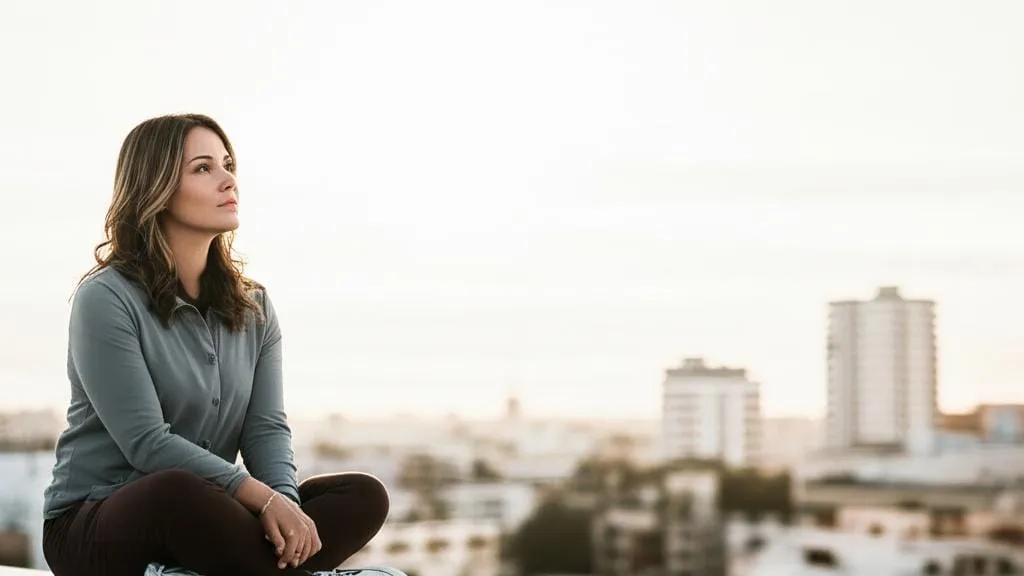
Do you remember when the Covid pandemic first hit Sri Lanka? The entire country was on lockdown, the streets were empty, and everyone was in great fear. Then, little by little, vaccines came, and there was hope. It's been a few years now. But there's still a question in our minds... What's really going on now? Is the pandemic over? Will we go back to our old normal life? You probably have these questions too. So today, let's talk about what our future will be like with this Covid pandemic, and what the 'new normal' that doctors are talking about is.
Where are we now? Current status of the pandemic
First of all, we need to understand that the Covid pandemic is not yet over. In countries like America, there were times when hospitals were overflowing even two years after the pandemic began, and the number of patients reported daily increased dramatically. In Sri Lanka, we also faced wave after wave.
But something good happened in the meantime. That was the amazing progress in science and medicine. Imagine, within a very short time after the World Health Organization confirmed that this virus was transmitted from person to person, life-saving vaccines were developed. Treatments were found that prevented the disease from becoming severe and requiring hospitalization. Testing methods to diagnose the disease improved. All of this happened at an incredible speed.
Although these vaccines have saved hundreds of thousands of lives, other problems have arisen. There are problems such as some people not wanting to get vaccinated, and some poor countries in the world still do not have enough vaccines. This allows the virus to continue to spread. A good example of this is the emergence of new variants like Omicron.
What is the 'New Normal' and 'Endemic'?
There is now talk among many experts that the Covid pandemic is gradually transitioning to an "endemic" state. What does this 'endemic' mean?
Simply put, 'endemic' means that a disease persists in our society at a constant, but manageable level. Like the common cold and flu that we get. They are present more or less throughout the year, with a slight increase in some seasons, but they don't shut down the entire country.
The 'New Normal' is about us getting used to living with this 'endemic' situation. That is, learning to safely maintain our daily routines, schools, jobs, and social lives while the Covid virus is among us.
Is it time to change the way we look at Covid?
Along with this concept of the 'new normal', a group of medical experts have come up with a very important proposal. In an article published in the prestigious American medical journal (JAMA), they say,It is time to stop viewing COVID-19 as a separate, distinct disease.
Their idea is that Covid is just another viral disease that affects the respiratory system. For example, influenza and pneumonia. Therefore, we should stop categorizing Covid deaths and pneumonia deaths separately and consider all of these together as "the risk of all respiratory diseases."
This may seem a bit complicated. Let's understand the difference between these two ideas with the help of the table below.
| Sector under consideration | The old view as a plague | The proposed new vision as 'endemic' |
|---|---|---|
| Main focus | Stopping the spread of the Covid-19 (SARS-CoV-2) virus only. | Managing the overall risk from all respiratory viruses , including Covid and influenza. |
| Public health measures | Strict measures such as lockdowns, strict travel restrictions, and school closures. | Sustainable measures such as ensuring good ventilation, wearing face masks in crowded places, and vaccination. |
| The ultimate goal | Complete elimination of the Covid virus (Zero-COVID). | Learning to live with the virus, minimizing severe illness and death. |
So what should we do?
This new vision does not mean taking Covid lightly. Rather, it means preparing to face this challenge more intelligently and sustainably.
1. Vaccination: Your main protection is vaccination.Getting the correct doses of the vaccine and booster doses can greatly reduce the risk of severe illness and hospitalization if you do get the disease. Ask your doctor for more information about this.
2. Personal safety: Let's continue the good habits we have developed due to Covid.
- Wearing a face mask in crowded, poorly ventilated indoor places.
- Wash your hands with soap often.
- Keep windows and doors open at home and in the office to ensure good ventilation.
3. If you have symptoms: If you have symptoms like fever, cough, sore throat, etc., stay away from others. Seek medical advice if necessary. It is difficult to determine for yourself whether it is COVID or a common cold, so it is best to talk to a doctor.
4. Accurate information: Don't believe everything shared on social media and WhatsApp messages. Always follow only accurate information provided by government health authorities or your doctor.
💡 Take-Home Message
- The Covid pandemic is not over yet, but the way we live with it is changing.
- The 'new normal' means adapting to living our lives safely, intelligently, and sustainably alongside the virus.
- Vaccination and booster doses are the best way to protect against severe disease.
- In the future, COVID-19 may become just another respiratory disease, like influenza, that is constantly present among us.
- Continue to practice good habits such as hand washing, ventilation, and wearing a mask when necessary.
- In the event of a health problem, always seek advice only from a qualified doctor.


Janiw kuna arsuwinakas jichhakamax uñt’ayatäkiti. Aka chiqanx amuyt’awim jan ukax jiskt’awim yapxatañamawa.