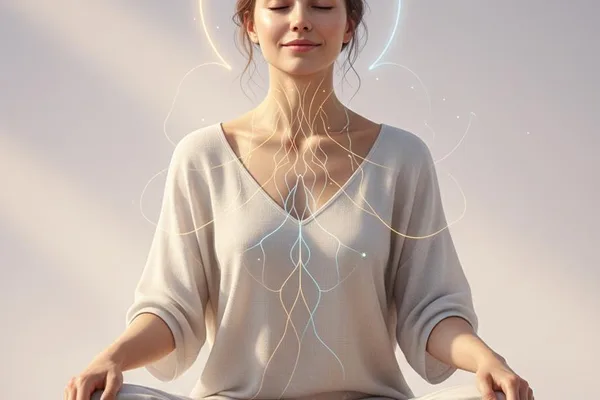
The amazing system in our body that calms you down and conserves energy (Parasympathetic Nervous System)

The amazing system in our body that calms you down and conserves energy (Parasympathetic Nervous System)

Have you ever wondered how you get that relaxed, calm feeling you get when you sit back in a chair or on the sofa after a good meal? Or why, after a good scare, your heart rate returns to normal after a while and you feel like you're at peace? Today we're going to talk about the silent hero of our body behind all this. That's the parasympathetic nervous system, or `(Parasympathetic Nervous System)`.

Simply put, what is the parasympathetic nervous system (PSNS)?

This may sound like a scientific name, but the story is very simple. There is a system in your body that works automatically, that is, without you even thinking about it. We call this the Autonomic Nervous System. Things like your heartbeat, breathing, sweating, and digestion are not controlled by your mind. They happen automatically. One of the two main parts of that automatic system is the parasympathetic nervous system.

Its main function is to calm the body, relax it, and conserve energy. That's why it has two very easy names: "Rest and Digest" and "Feed and Breed." Both of these names give a good idea of ​​the role of this system.

Think of your body as a car. This car has a system that works like an accelerator and a system that works like a brake. The brake is the parasympathetic nervous system. It slows down the body and helps keep everything calm and normal.

How "Rest and Digest" works as opposed to "Fight or Flight"

As we mentioned earlier, there are two main parts of the autonomic nervous system. One is the parasympathetic system that we are talking about now. The other is the sympathetic nervous system .

These two work in exact opposite directions. But they are not antagonistic. They work together to maintain balance in the body.

  • Sympathetic System: This is the accelerator of our car. This system is activated when we feel stressed, afraid, or anxious, such as when we are about to face an accident, when we are chasing a dog, or when we are about to take an exam. We call this the "Fight or Flight" response. At this time, our heart beats faster, our breathing quickens, our eyes dilate, and we sweat. This means that the body is preparing for an emergency.
  • Parasympathetic System: This is the brake of our car. After the emergency situation has passed, it is this system that brings the body back to normal. That is,"Rest and Digest" state. Slows heart rate, normalizes breathing, and directs energy to the digestive process.

See this table to further explain the difference between the two.

Organ / Process Sympathetic system ("Fight or Flight") Parasympathetic System ("Rest and Digest")
Heart Increases heart rate. Slows down heart rate.
Lungs Widens the airways (breathes more deeply) Narrows the airways (normalizes breathing)
Eyes Black makes the iris bigger (take in more light) Black makes the iris smaller (limits light)
Digestive system Slows down digestion (directs energy to other things) Speeds up digestion.
Salivary glands Decreases saliva production (dry mouth) Increases saliva production

Simply put, the sympathetic system helps us survive in emergencies, while the parasympathetic system calms us down, maintains the body, and helps us survive long-term health.

So, what exactly happens in the body with this system?

We now know that this is the "Rest and Digest" system. Let's see what effects this has on different parts of our body.

  • Eyes: The pupil of your eye narrows, controlling the amount of light that enters your eye. It also helps adjust your eyes to see things up close and produce tears.
  • Nose and mouth: Increases saliva production in the mouth. Helps produce mucus in the nose. Both of these help with digestion and breathing easily when you are resting.
  • Lungs: When you are resting, the muscles in your airways tighten slightly, reducing the amount of work your lungs have to do.
  • Heart: It reduces the heart rate and pumping force of the heart, giving the heart a rest.
  • Digestive system: It speeds up the digestion of food and provides the energy needed for it. It also signals the pancreas to produce and release insulin. This insulin breaks down the sugar we eat into a form that can be used by the body's cells.
  • Excretory process: Relaxes the muscles that control urination and defecation, making the process easier.
  • Reproductive system: Manages several sexual functions in the body. For example, this system is involved in things like erections in men and the secretion of lubricating fluids during sexual intercourse in women.

What diseases and problems affect this system?

Normally, this system works quietly and smoothly, but some medical conditions and accidents can disrupt its functioning.

  • Type 2 Diabetes: Uncontrolled diabetes can cause nerve damage over time. This damage can also affect the parasympathetic nervous system.
  • Congenital and genetic conditions: Some congenital conditions can cause problems with this system. For example, some genetic diseases such as amyloidosis.
  • Urinary incontinence: When the nerves that control urine and stool are damaged, incontinence can occur.
  • Multiple System Atrophy: This is a serious condition similar to Parkinson's disease. Over time, it damages the autonomic nervous system.
  • Sexual dysfunction: When the parasympathetic system is damaged, men can experience erectile dysfunction.
  • Trauma: Trauma, especially to the spinal cord, can cause long-term or permanent damage to the nerves, which can stop the transmission of parasympathetic signals.

If there is a problem, what are the symptoms?

Because this system works automatically, we only realize there is a problem when something that should normally happen doesn't happen as expected.

  • Constipation
  • Increased heart rate even at rest (tachycardia)
  • Heart rhythm problems (e.g. atrial fibrillation)
  • Sexual immorality
  • Digestive problems (e.g., gastroparesis)

If you have symptoms like these, it's definitely best to see your doctor and talk about it.

What can we do to keep this nervous system healthy?

Protecting such an important system is crucial to our overall health. Fortunately, simple lifestyle changes can go a long way in helping us keep it healthy.

  • Eat a balanced diet: Vitamin deficiencies, especially vitamin B12 deficiency, can damage the nervous system. Also, taking too much of some vitamins (e.g. vitamin B6) can also be harmful to the nerves. So, be careful about eating a balanced diet.
  • Avoid drugs and alcohol: Excessive alcohol consumption and drug use are toxic to the nervous system, so stay away from them.
  • Be physically active and maintain a healthy weight: As we discussed earlier, diabetes damages the nerves. Therefore, you can protect your nervous system by preventing or controlling diabetes through exercise and maintaining a healthy weight.
  • Wear safety equipment: Use helmets and safety belts correctly to prevent nerve damage from accidents at work or while playing sports.
  • Manage chronic diseases properly: If you have a chronic disease that can affect the nervous system, such as diabetes or high blood pressure, follow your doctor's instructions carefully. Take your medications properly and make lifestyle changes. This can help minimize the damage to your nerves caused by the disease.

Take-Home Message

  • The parasympathetic nervous system is the "Rest and Digest" system that calms our body, keeps it relaxed, and conserves energy.
  • This helps to balance the "Fight or Flight" (sympathetic) system that is activated in emergency situations and restores the body to normal.
  • This system controls many important functions that we do unconsciously, such as digestion, heart rate control, and excretory functions.
  • A healthy lifestyle (balanced diet, exercise, and avoidance of drugs) can protect this important system.
  • If you have any symptoms (such as constipation, increased heart rate at rest) that you think may be related to the functioning of this system, talk to your doctor about it.

Parasympathetic Nervous System, Nervous System, Autonomic Nervous System, Rest and Digest, Vagus nerve, Body Function, Health

Frequently Asked Questions (FAQ)

If there is a problem, what are the symptoms?

Because this system works automatically, we only realize there is a problem when something that should normally happen doesn't happen as expected.

⚠️ Important: The medical articles and information on Nirogi Lanka are for general awareness only, and are by no means a substitute for professional medical advice, diagnosis, or treatment. For any medical problem you have, consult a qualified physician immediately.

💬 Comments (0)

No comments have been posted yet. Add your comment here for the first time.

Add your comment

Please calculate: 6 + 4 =
The amazing system in our body that calms you down and conserves energy (Parasympathetic Nervous System)
How the Body WorksJuly 7, 2026

The amazing system in our body that calms you down and conserves energy (Parasympathetic Nervous System)

Have you ever wondered how you get that relaxed, calm feeling you get when you sit back in a chair or on the sofa after a good meal? Or why, after a good scare, your heart rate returns to normal after a while and you feel like you're at peace? Today we're going to talk about the silent hero of our body behind all this. That's the parasympathetic nervous system, or `(Parasympathetic Nervous System)`.

Simply put, what is the parasympathetic nervous system (PSNS)?

This may sound like a scientific name, but the story is very simple. There is a system in your body that works automatically, that is, without you even thinking about it. We call this the Autonomic Nervous System. Things like your heartbeat, breathing, sweating, and digestion are not controlled by your mind. They happen automatically. One of the two main parts of that automatic system is the parasympathetic nervous system.

Its main function is to calm the body, relax it, and conserve energy. That's why it has two very easy names: "Rest and Digest" and "Feed and Breed." Both of these names give a good idea of ​​the role of this system.

Think of your body as a car. This car has a system that works like an accelerator and a system that works like a brake. The brake is the parasympathetic nervous system. It slows down the body and helps keep everything calm and normal.

How "Rest and Digest" works as opposed to "Fight or Flight"

As we mentioned earlier, there are two main parts of the autonomic nervous system. One is the parasympathetic system that we are talking about now. The other is the sympathetic nervous system .

These two work in exact opposite directions. But they are not antagonistic. They work together to maintain balance in the body.

  • Sympathetic System: This is the accelerator of our car. This system is activated when we feel stressed, afraid, or anxious, such as when we are about to face an accident, when we are chasing a dog, or when we are about to take an exam. We call this the "Fight or Flight" response. At this time, our heart beats faster, our breathing quickens, our eyes dilate, and we sweat. This means that the body is preparing for an emergency.
  • Parasympathetic System: This is the brake of our car. After the emergency situation has passed, it is this system that brings the body back to normal. That is,"Rest and Digest" state. Slows heart rate, normalizes breathing, and directs energy to the digestive process.

See this table to further explain the difference between the two.

Organ / Process Sympathetic system ("Fight or Flight") Parasympathetic System ("Rest and Digest")
Heart Increases heart rate. Slows down heart rate.
Lungs Widens the airways (breathes more deeply) Narrows the airways (normalizes breathing)
Eyes Black makes the iris bigger (take in more light) Black makes the iris smaller (limits light)
Digestive system Slows down digestion (directs energy to other things) Speeds up digestion.
Salivary glands Decreases saliva production (dry mouth) Increases saliva production

Simply put, the sympathetic system helps us survive in emergencies, while the parasympathetic system calms us down, maintains the body, and helps us survive long-term health.

So, what exactly happens in the body with this system?

We now know that this is the "Rest and Digest" system. Let's see what effects this has on different parts of our body.

  • Eyes: The pupil of your eye narrows, controlling the amount of light that enters your eye. It also helps adjust your eyes to see things up close and produce tears.
  • Nose and mouth: Increases saliva production in the mouth. Helps produce mucus in the nose. Both of these help with digestion and breathing easily when you are resting.
  • Lungs: When you are resting, the muscles in your airways tighten slightly, reducing the amount of work your lungs have to do.
  • Heart: It reduces the heart rate and pumping force of the heart, giving the heart a rest.
  • Digestive system: It speeds up the digestion of food and provides the energy needed for it. It also signals the pancreas to produce and release insulin. This insulin breaks down the sugar we eat into a form that can be used by the body's cells.
  • Excretory process: Relaxes the muscles that control urination and defecation, making the process easier.
  • Reproductive system: Manages several sexual functions in the body. For example, this system is involved in things like erections in men and the secretion of lubricating fluids during sexual intercourse in women.

What diseases and problems affect this system?

Normally, this system works quietly and smoothly, but some medical conditions and accidents can disrupt its functioning.

  • Type 2 Diabetes: Uncontrolled diabetes can cause nerve damage over time. This damage can also affect the parasympathetic nervous system.
  • Congenital and genetic conditions: Some congenital conditions can cause problems with this system. For example, some genetic diseases such as amyloidosis.
  • Urinary incontinence: When the nerves that control urine and stool are damaged, incontinence can occur.
  • Multiple System Atrophy: This is a serious condition similar to Parkinson's disease. Over time, it damages the autonomic nervous system.
  • Sexual dysfunction: When the parasympathetic system is damaged, men can experience erectile dysfunction.
  • Trauma: Trauma, especially to the spinal cord, can cause long-term or permanent damage to the nerves, which can stop the transmission of parasympathetic signals.

If there is a problem, what are the symptoms?

Because this system works automatically, we only realize there is a problem when something that should normally happen doesn't happen as expected.

  • Constipation
  • Increased heart rate even at rest (tachycardia)
  • Heart rhythm problems (e.g. atrial fibrillation)
  • Sexual immorality
  • Digestive problems (e.g., gastroparesis)

If you have symptoms like these, it's definitely best to see your doctor and talk about it.

What can we do to keep this nervous system healthy?

Protecting such an important system is crucial to our overall health. Fortunately, simple lifestyle changes can go a long way in helping us keep it healthy.

  • Eat a balanced diet: Vitamin deficiencies, especially vitamin B12 deficiency, can damage the nervous system. Also, taking too much of some vitamins (e.g. vitamin B6) can also be harmful to the nerves. So, be careful about eating a balanced diet.
  • Avoid drugs and alcohol: Excessive alcohol consumption and drug use are toxic to the nervous system, so stay away from them.
  • Be physically active and maintain a healthy weight: As we discussed earlier, diabetes damages the nerves. Therefore, you can protect your nervous system by preventing or controlling diabetes through exercise and maintaining a healthy weight.
  • Wear safety equipment: Use helmets and safety belts correctly to prevent nerve damage from accidents at work or while playing sports.
  • Manage chronic diseases properly: If you have a chronic disease that can affect the nervous system, such as diabetes or high blood pressure, follow your doctor's instructions carefully. Take your medications properly and make lifestyle changes. This can help minimize the damage to your nerves caused by the disease.

Take-Home Message

  • The parasympathetic nervous system is the "Rest and Digest" system that calms our body, keeps it relaxed, and conserves energy.
  • This helps to balance the "Fight or Flight" (sympathetic) system that is activated in emergency situations and restores the body to normal.
  • This system controls many important functions that we do unconsciously, such as digestion, heart rate control, and excretory functions.
  • A healthy lifestyle (balanced diet, exercise, and avoidance of drugs) can protect this important system.
  • If you have any symptoms (such as constipation, increased heart rate at rest) that you think may be related to the functioning of this system, talk to your doctor about it.

Parasympathetic Nervous System, Nervous System, Autonomic Nervous System, Rest and Digest, Vagus nerve, Body Function, Health

Frequently Asked Questions (FAQ)

If there is a problem, what are the symptoms?

Because this system works automatically, we only realize there is a problem when something that should normally happen doesn't happen as expected.

⚠️ Important: The medical articles and information on Nirogi Lanka are for general awareness only, and are by no means a substitute for professional medical advice, diagnosis, or treatment. For any medical problem you have, consult a qualified physician immediately.

💬 Comments (0)

No comments have been posted yet. Add your comment here for the first time.

Add your comment

Please calculate: 6 + 4 =