
Are you aware of this silent killer? Carbon Monoxide Poisoning

Are you aware of this silent killer? Carbon Monoxide Poisoning

Have you ever thought that your gas stove, water heater, or car left running in the garage could be a deadly threat to you and your family? Today we're talking about a danger that can silently wreak havoc on our lives, but we don't pay much attention to it. That's carbon monoxide poisoning. It's like an enemy sneaking into your home.

What exactly is carbon monoxide (CO)?

Simply put, carbon monoxide is a very dangerous gas that has no smell, color, or taste . It is produced when any fuel, such as gasoline, diesel, gas, kerosene, wood, or coal, is incompletely burned. It is also present in the exhaust fumes from vehicles.

The most dangerous thing about this is that when we breathe this gas, it gets into our blood and competes with the red blood cells that carry oxygen throughout our bodies. It's as if the oxygen in our blood has been removed and carbon monoxide is sitting in that chair. Then the amount of oxygen that reaches our brain, heart, and other vital organs decreases. This condition is what we call carbon monoxide poisoning. This can cause serious physical harm, or even death.

Don't confuse carbon monoxide (CO) and carbon dioxide (CO2).

Many people confuse these two gases, but they are completely different.

Gas Simply put…
Carbon monoxide (CO) A highly toxic gas formed when fuel burns incompletely and enters the blood instead of oxygen.
Carbon dioxide (CO2) The gas we exhale. Plants use it for photosynthesis. It is usually harmless, but can cause discomfort in high concentrations.

Remember, carbon monoxide(CO) has no smell. The smell of smoke in a car is due to the other gases in it, not the CO.

How can this poisoning happen?

Carbon monoxide is usually not a big problem in well-ventilated areas, but the biggest danger is when this gas accumulates in poorly ventilated, enclosed spaces .

Possible accidents at home

  • Garage: Leaving a car running in a garage attached to your home is very dangerous. Even if the garage door is open, this smoke can leak into the house.
  • Unsuitable appliances: Defective gas stoves, clothes dryers, water heaters, space heaters.
  • Wood stoves and chimneys: Like a wood stove without a flue, a smoke-filled stove and a blocked chimney.
  • Generator: Use a generator indoors, in the basement, or on the veranda when the power goes out.
  • Fire: The smoke produced during a fire contains a lot of CO.

Possible dangers outdoors

  • Using outdoor appliances such as charcoal grills and camping stoves indoors or in poorly ventilated areas.
  • This risk also exists in some vehicles such as boats and RVs (Recreational Vehicles).

What are the symptoms of poisoning?

When carbon monoxide enters the body, it causes various symptoms due to lack of oxygen. These symptoms are similar to those of other common illnesses, so we can sometimes miss them.

The important thing is that if several people in the same household are experiencing these symptoms at the same time, it is highly likely that it is carbon monoxide poisoning. If you have pets, they may be the first to show symptoms.

Who is most at risk?

Although this accident can happen to anyone, some people are at greater risk.

  • Pregnant mothers and unborn children
  • Small babies
  • Elderly people
  • People who smoke
  • People with heart disease or respiratory diseases such as asthma
  • People with anemia

What to do if you suspect someone has CO poisoning?

This is a medical emergency, so it is very important to act quickly and not panic.

1. Move/take to fresh air immediately: The first thing to do is to quickly move the person and yourself outdoors to a well-ventilated area.

2. Stop the CO source: If you can do so safely, immediately turn off the device that is emitting the gas (e.g., gas stove, vehicle).

3. Call emergency services: Immediately take the person to the nearest hospital's Emergency Treatment Unit (ETU) . Do not delay.

4. Call the Poison Information Centre: If you are in doubt, you can call the National Poison Information Centre at the Colombo National Hospital for further advice. They will give you guidance on what to do.

5. Give CPR: If the person is unconscious, not breathing, or breathing abnormally, start CPR if you are trained in it. If you are alone, perform CPR for about a minute and then call emergency services. If there is someone else, have one person call emergency services and start CPR yourself.

What treatments are available at the hospital?

The main treatment for carbon monoxide poisoning is to administer 100% pure oxygen . This removes carbon monoxide from the blood and reintroduces oxygen.

  • In case of general poisoning: Highly concentrated oxygen is administered through a mask worn on the face.
  • In severe poisoning: Sometimes it is necessary to use a hyperbaric oxygen chamber (Hyperbaric Oxygen Therapy). In this, oxygen is administered in a high-pressure chamber that is placed around the entire body, so that the oxygen is absorbed into the body more quickly.

With timely treatment, much of the long-term damage can be prevented. However, depending on the level of poisoning, some people may experience long-term effects such as memory loss, movement disorders (similar to Parkinson's disease), and heart disease.

How can we protect ourselves from this silent killer?

Prevention is always better than cure.

Prevention method What to do
Equipment maintenance Have all fuel-burning appliances, such as your gas stove, water heater, and generator, inspected annually by a qualified technician . Clean chimneys and flues properly.
Generator use Never use a generator indoors, in a garage, or near windows or doors. Operate it at least 20 feet away from the house.
Vehicles Do not leave your vehicle running in a garage attached to your home. Check your vehicle's exhaust system annually.
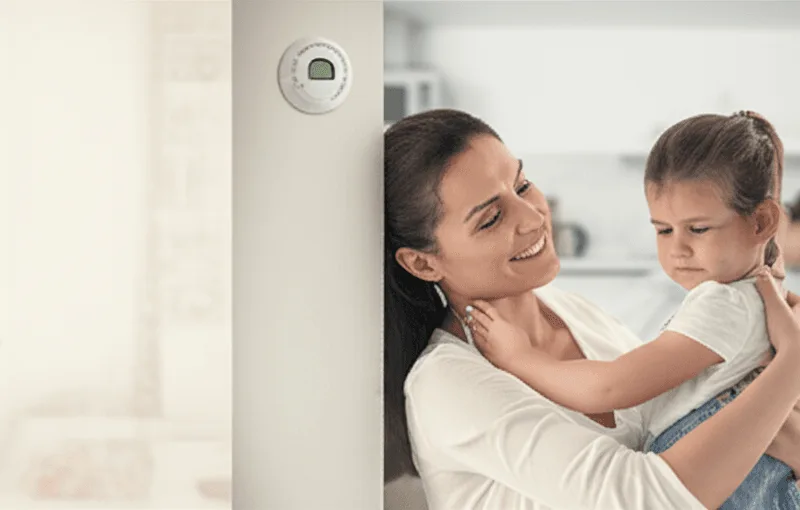
CO Detector Installation This is very important. Install a carbon monoxide detector on every floor of your home, especially near bedrooms. These can be battery-operated or electric. Check them monthly and replace the batteries on time.

Also pay attention to signs that your appliances are malfunctioning. For example, if you notice a yellow/orange flame on your stove (instead of blue), black soot around your appliances, or moisture on the inside of your windows, take them to a technician immediately.

Take-Home Message

  • Carbon monoxide (CO) is an odorless, colorless, and very dangerous poisonous gas.
  • This danger can be caused by things in our own homes, such as gas stoves, generators, vehicle exhaust, and wood stoves.
  • Be aware of symptoms such as headaches, dizziness, and vomiting. If several people in the household experience these symptoms at the same time, immediately suspect CO poisoning.
  • If you are in doubt, leave the area immediately and move to fresh air. Go to a hospital Emergency Department (ETU) immediately.
  • Prevention is the best option. Maintain your fuel-burning appliances properly and consider installing a CO detector in your home. It's an investment that will protect you and your family's lives.
⚠️ Important: The medical articles and information on Nirogi Lanka are for general awareness only, and are by no means a substitute for professional medical advice, diagnosis, or treatment. For any medical problem you have, consult a qualified physician immediately.

💬 Comments (0)

No comments have been posted yet. Add your comment here for the first time.

Add your comment

Please calculate: 1 + 9 =
Are you aware of this silent killer? Carbon Monoxide Poisoning
Preventive HealthJune 29, 2025

Are you aware of this silent killer? Carbon Monoxide Poisoning

Have you ever thought that your gas stove, water heater, or car left running in the garage could be a deadly threat to you and your family? Today we're talking about a danger that can silently wreak havoc on our lives, but we don't pay much attention to it. That's carbon monoxide poisoning. It's like an enemy sneaking into your home.

What exactly is carbon monoxide (CO)?

Simply put, carbon monoxide is a very dangerous gas that has no smell, color, or taste . It is produced when any fuel, such as gasoline, diesel, gas, kerosene, wood, or coal, is incompletely burned. It is also present in the exhaust fumes from vehicles.

The most dangerous thing about this is that when we breathe this gas, it gets into our blood and competes with the red blood cells that carry oxygen throughout our bodies. It's as if the oxygen in our blood has been removed and carbon monoxide is sitting in that chair. Then the amount of oxygen that reaches our brain, heart, and other vital organs decreases. This condition is what we call carbon monoxide poisoning. This can cause serious physical harm, or even death.

Don't confuse carbon monoxide (CO) and carbon dioxide (CO2).

Many people confuse these two gases, but they are completely different.

Gas Simply put…
Carbon monoxide (CO) A highly toxic gas formed when fuel burns incompletely and enters the blood instead of oxygen.
Carbon dioxide (CO2) The gas we exhale. Plants use it for photosynthesis. It is usually harmless, but can cause discomfort in high concentrations.

Remember, carbon monoxide(CO) has no smell. The smell of smoke in a car is due to the other gases in it, not the CO.

How can this poisoning happen?

Carbon monoxide is usually not a big problem in well-ventilated areas, but the biggest danger is when this gas accumulates in poorly ventilated, enclosed spaces .

Possible accidents at home

  • Garage: Leaving a car running in a garage attached to your home is very dangerous. Even if the garage door is open, this smoke can leak into the house.
  • Unsuitable appliances: Defective gas stoves, clothes dryers, water heaters, space heaters.
  • Wood stoves and chimneys: Like a wood stove without a flue, a smoke-filled stove and a blocked chimney.
  • Generator: Use a generator indoors, in the basement, or on the veranda when the power goes out.
  • Fire: The smoke produced during a fire contains a lot of CO.

Possible dangers outdoors

  • Using outdoor appliances such as charcoal grills and camping stoves indoors or in poorly ventilated areas.
  • This risk also exists in some vehicles such as boats and RVs (Recreational Vehicles).

What are the symptoms of poisoning?

When carbon monoxide enters the body, it causes various symptoms due to lack of oxygen. These symptoms are similar to those of other common illnesses, so we can sometimes miss them.

The important thing is that if several people in the same household are experiencing these symptoms at the same time, it is highly likely that it is carbon monoxide poisoning. If you have pets, they may be the first to show symptoms.

Who is most at risk?

Although this accident can happen to anyone, some people are at greater risk.

  • Pregnant mothers and unborn children
  • Small babies
  • Elderly people
  • People who smoke
  • People with heart disease or respiratory diseases such as asthma
  • People with anemia

What to do if you suspect someone has CO poisoning?

This is a medical emergency, so it is very important to act quickly and not panic.

1. Move/take to fresh air immediately: The first thing to do is to quickly move the person and yourself outdoors to a well-ventilated area.

2. Stop the CO source: If you can do so safely, immediately turn off the device that is emitting the gas (e.g., gas stove, vehicle).

3. Call emergency services: Immediately take the person to the nearest hospital's Emergency Treatment Unit (ETU) . Do not delay.

4. Call the Poison Information Centre: If you are in doubt, you can call the National Poison Information Centre at the Colombo National Hospital for further advice. They will give you guidance on what to do.

5. Give CPR: If the person is unconscious, not breathing, or breathing abnormally, start CPR if you are trained in it. If you are alone, perform CPR for about a minute and then call emergency services. If there is someone else, have one person call emergency services and start CPR yourself.

What treatments are available at the hospital?

The main treatment for carbon monoxide poisoning is to administer 100% pure oxygen . This removes carbon monoxide from the blood and reintroduces oxygen.

  • In case of general poisoning: Highly concentrated oxygen is administered through a mask worn on the face.
  • In severe poisoning: Sometimes it is necessary to use a hyperbaric oxygen chamber (Hyperbaric Oxygen Therapy). In this, oxygen is administered in a high-pressure chamber that is placed around the entire body, so that the oxygen is absorbed into the body more quickly.

With timely treatment, much of the long-term damage can be prevented. However, depending on the level of poisoning, some people may experience long-term effects such as memory loss, movement disorders (similar to Parkinson's disease), and heart disease.

How can we protect ourselves from this silent killer?

Prevention is always better than cure.

Prevention method What to do
Equipment maintenance Have all fuel-burning appliances, such as your gas stove, water heater, and generator, inspected annually by a qualified technician . Clean chimneys and flues properly.
Generator use Never use a generator indoors, in a garage, or near windows or doors. Operate it at least 20 feet away from the house.
Vehicles Do not leave your vehicle running in a garage attached to your home. Check your vehicle's exhaust system annually.
CO Detector Installation This is very important. Install a carbon monoxide detector on every floor of your home, especially near bedrooms. These can be battery-operated or electric. Check them monthly and replace the batteries on time.

Also pay attention to signs that your appliances are malfunctioning. For example, if you notice a yellow/orange flame on your stove (instead of blue), black soot around your appliances, or moisture on the inside of your windows, take them to a technician immediately.

Take-Home Message

  • Carbon monoxide (CO) is an odorless, colorless, and very dangerous poisonous gas.
  • This danger can be caused by things in our own homes, such as gas stoves, generators, vehicle exhaust, and wood stoves.
  • Be aware of symptoms such as headaches, dizziness, and vomiting. If several people in the household experience these symptoms at the same time, immediately suspect CO poisoning.
  • If you are in doubt, leave the area immediately and move to fresh air. Go to a hospital Emergency Department (ETU) immediately.
  • Prevention is the best option. Maintain your fuel-burning appliances properly and consider installing a CO detector in your home. It's an investment that will protect you and your family's lives.
⚠️ Important: The medical articles and information on Nirogi Lanka are for general awareness only, and are by no means a substitute for professional medical advice, diagnosis, or treatment. For any medical problem you have, consult a qualified physician immediately.

💬 Comments (0)

No comments have been posted yet. Add your comment here for the first time.

Add your comment

Please calculate: 1 + 9 =