

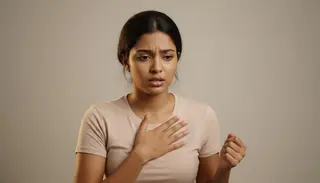
Have you had a long-term lung disease that has made it difficult for you to breathe? Do you feel short of breath when you climb stairs or walk a short distance? This may be affecting your daily activities. This condition can cause your breathing muscles to gradually weaken, and you may be caught in a cycle where your symptoms worsen. But don't worry, there is a good solution for this. That's what we're talking about today.
eGFR calculadora ukaxa CKD-EPI 2021 ukampi luratawa. Creatinina uksatxa riñon lurawipa jakhthapiña ukhamaraki CKD etapa uñt’aña.
Simply put, what is pulmonary rehabilitation?
Pulmonary rehabilitation, or (Pulmonary Rehabilitation),'' is a specialized health program that helps people with chronic lung disease manage their symptoms and improve their quality of life. It's like a personalized training program.
Imagine, in this, a team of different health professionals, such as doctors, physiotherapists (respiratory therapists), and nutritionists, are helping you. They will work to match your energy level with physical exercises , teach you how to manage your breathing difficulties , and provide good education about your condition.
The important thing is that this will not completely cure your lung disease. But it can make your life easier by reducing shortness of breath, giving your body more energy, and making it easier to breathe.
Who does this treatment help?
If you have any of the following chronic lung conditions, this program may be very beneficial for you. Please discuss this with your doctor.
| Medical condition | Description |
|---|---|
| COPD (Chronic Obstructive Pulmonary Disease) | Long-term difficulty breathing, often caused by smoking. |
| Interstitial Lung Disease | Diseases that cause hardening of the delicate tissues of the lungs, such as Sarcoidosis and Pulmonary Fibrosis. |
| Asthma | Severe, difficult-to-control asthma. |
| Cystic Fibrosis and Bronchiectasis | Conditions in which there is excessive accumulation of mucus in the respiratory tract. |
| Pulmonary Hypertension | High pressure in the blood vessels of the lungs. |
| Lung cancer and surgery | For lung cancer patients or those recovering from a lung transplant/surgery. |
What is really going on in this program?
This program consists of several main parts, all of which are tailored to your needs and goals.
1. Initial Assessment
The medical team will check your condition before you start the program and after you finish.
- How are your symptoms?
- Do you need oxygen and how much?
- The level at which you can exercise (exercise capacity).
- Do you have a complete medical history and other comorbidities?
- How is your mental health?
This can be done using questionnaires, stress tests, or pulmonary function tests.
2. Exercise
This is the main and most important part of the program. You will exercise two or three days a week, under the supervision of a trainer. Start small, like a minute or two at first, and as your strength increases, you can gradually increase the duration of your exercise, up to 30 minutes.
Common types of exercises:
- Warm-up and Cool down: Preparing the body before and after starting exercise.
- Flexibility training: Stretching exercises that increase the body's flexibility.
- Endurance training: Exercises such as walking and cycling.
- Resistance/weight training: Exercises performed using small weights, resistance bands, or weight machines.
- Respiratory muscle training: Strengthening the respiratory muscles by rapidly inhaling and exhaling through a handheld device.
3. Education and awareness (Education)
Here you will find the knowledge you need to live with your condition.
- How to manage shortness of breath and other symptoms.
- The correct use of medications (e.g. inhalers) and their side effects.
- How to measure oxygen levels and use supplemental oxygen if necessary.
- How to prevent disease exacerbation and infection.
4. Breathing Retraining
Here, we will teach you specific ways to control shortness of breath that occurs during daily activities and when climbing stairs.
- Controlled breathing techniques: For example, diaphragmatic breathing and pursed lip breathing.
- Relief postures: Body positions that reduce breathing difficulties.
- Relaxation techniques: Ways to help you relax mentally and physically.
5. Chest Physiotherapy
These methods are very important if you have a disease that causes excessive mucus to build up in your lungs and airways (such as bronchiectasis).
- Coughing and breathing techniques: Techniques like Huff cough can help clear mucus.
- PEP devices: (Positive Expiratory Pressure) devices (e.g. Flutter®, Acapella®) help open the airways and facilitate the removal of mucus.
- Airway clearance vests: Wearing a special vibrating vest loosens and removes mucus from the lungs.
6. Mental health support and nutrition
Living with a chronic illness can be mentally exhausting. Therefore, this program provides counseling and support to manage things like stress and anxiety. Also, a nutritionist will educate you on how to get the nutrition your body needs, especially protein for muscle growth.
What are the benefits of this?
You can gain many great benefits by completing a pulmonary rehabilitation program.
| Advantage | Description |
|---|---|
| Reduction of symptoms | Breathing difficulties, coughing, and fatigue are significantly reduced. |
| Decrease in hospitalizations | As the disease progression is controlled, the need for frequent hospitalizations is reduced. |
| Rising standard of living | Daily tasks, hobbies, and spending time with family become easier. |
| Increased physical strength | The ability to walk longer distances and exercise improves. |
| Better mental health | Being able to control conditions such as stress, anxiety, and depression. |
How to get the most out of the program?
- Be honest about your goals: Tell the medical team what you want to achieve from this program (e.g., walk in the yard, play with the grandchildren).
- Attend every session: If you stop the program halfway, the results will be less.
- Tell me if it's too hard: If an exercise is too hard for you, tell the trainer. They will modify it to suit you.
- Get support from your family: Tell your family about this and get their help.
The most important thing is to continue the exercises and techniques you learned at home after the program ends. If you don't, the progress you've made may be lost over time.
It can be scary to start exercising with shortness of breath. However, pulmonary rehabilitation is a safe and highly effective way to help you regain control of your life. If you have a similar need, be sure to talk to your doctor about it.
💡 Take-Home Message
- Pulmonary rehabilitation is not a complete cure for lung disease, but it is an excellent program that helps control symptoms and improve quality of life.
- The key to this is a safe exercise program tailored to your strength level.
- In addition to exercise, this program also provides education about the disease, breathing techniques, nutrition, and psychological support.
- To maintain the results of the program, it is essential to continue the exercises and learning at home afterward.
- It is very important to talk to your doctor to find out if this program is right for you.


Janiw kuna arsuwinakas jichhakamax uñt’ayatäkiti. Aka chiqanx amuyt’awim jan ukax jiskt’awim yapxatañamawa.