
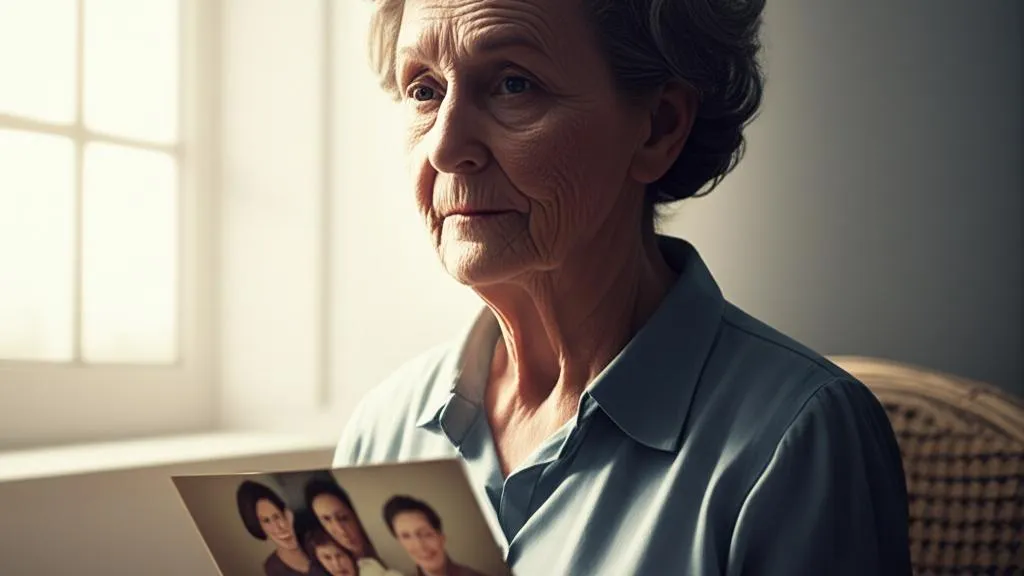
Does your elderly mother, father, grandmother, or aunt forget little things? Do they suddenly forget what they were going to say while talking? Do family members say, "Oh, that's how it is when you get older"? True, it is normal to forget little things as you get older. But not all forgetfulness is part of "getting older." Sometimes these can be early signs of a disease like Alzheimer's. This disease does not care about race, religion, or gender. Anyone can develop it. But the way we were raised, our culture, and our beliefs greatly affect the way we face this disease. Let's talk about that today.
What are the common beliefs in our society about Alzheimer's?
There are different opinions in our society about Alzheimer's disease and similar memory loss diseases (Dementia). Because of these opinions, sometimes it is too late to seek proper treatment. Think about it, are these things familiar to you too.
- "That's just how it is when you get older": Many people think that memory loss is normal as they get older. Therefore, they ignore the early signs of memory loss.
- Lack of awareness: Many people are unaware that Alzheimer's is a disease that affects the brain. They don't want to talk about it because they see it as a mental illness.
- Shame and guilt: Many people hide these conditions because they are embarrassed to say, "Someone in our family has a mental illness."
- Distrust of Western medicine: Some people are more inclined towards traditional medicine (local medicine) than the medicines prescribed by doctors. This can lead to delays in diagnosis.
- Excessive respect for elders: In our culture, we respect elders a lot. That's a good thing. But sometimes, we delay treatment just because we respect their opinion, like, "Mom/Dad doesn't want to go to the doctor."
- Not sharing family issues: The belief that "family matters should be kept at home" makes people reluctant to tell anyone outside, even a doctor, about a family member's mental changes.
- Waiting until an emergency: It is common to not see a doctor until the illness is very serious, meaning it is an emergency.
- Relying on religion: It is good to find solace in religious beliefs and rituals. However, sometimes, ignoring medical treatment and relying solely on religious rituals for relief can worsen the disease.
How do these beliefs affect diagnosis and treatment?
Because of the strong family ties in our society, when an elderly person begins to show signs of dementia, the first to step in to take care of them is their family. Usually, a daughter, son, or daughter-in-law takes on this responsibility. This is a very noble thing to do. But sometimes, our cultural beliefs can delay diagnosis and treatment.
The important thing is that Alzheimer's is a disease caused by damage to brain cells, not a normal result of aging. The sooner it is diagnosed and treated, the easier life can be for the patient and family.
Let's explain this further in the table below.
| Common cultural belief | The possible impact of this |
|---|---|
| Thinking that memory loss is a normal part of aging. | Ignoring early signs of illness. Delaying seeing a doctor. |
| Caring for the elderly in the family at home care). | While this is a good thing, caring without professional advice can be very stressful for both the patient and the caregiver. |
| Being ashamed of having a mental illness. | Hiding the condition from family, friends, and society. Not getting the necessary support. |
| Thinking, "What will people think?" | Reluctance to take the patient out of the house, to participate in social events. The patient is lonely. |
'What will people say?' - How this stigma affects
Stigma, simply put, is the negative perception of something, the negative interpretation it has. This shame and fear is often associated with mental health conditions like Alzheimer's. This can make others feel like they are being discriminated against and discriminated against. You may even feel guilty about it.
The harmful things that can happen because of this shame are:
- Reluctance to ask for help, get a diagnosis, or seek treatment.
- From family, friends, neighborsLack of understanding and support.
- Severe psychological stress for the caregiver of the patient.
- The patient and family experience shame, guilt, and self-doubt .
The best way to deal with this shame is to talk about it openly. Talk to your doctor about it. If necessary, join a support group with people who have had similar experiences. It can be very empowering to know that you are not alone.
The LGBTQ+ Community and Alzheimer's Disease: Special Challenges
When someone from the LGBTQ+ (lesbian, gay, bisexual, transgender, and other) community gets Alzheimer's, they face additional and unique challenges.
There are several reasons for that:
- Lack of family support: Sometimes, due to living alone, isolated from family, there is no one to take care of you when you are sick.
- Stigma: The risk of being socially ostracized due to both one's sexual identity and Alzheimer's disease.
- Loneliness: Feeling extremely lonely when sick, due to living alone without children or close family members.
Under such circumstances, it is very important to plan for the future as soon as possible.
- Find a doctor who understands you: It is important to find a doctor who respects your identity, treats you and your partner equally, and makes you feel comfortable asking questions.
- Find support: If you don't have family support, seek help from friends, acquaintances, or organizations that support the LGBTQ+ community who can help you.
- Plan for the future: It is important to prepare a legal document (advance directive) about your future care and medical treatment needs as early as possible after symptoms begin, while you are still able to make decisions. For example, this could include naming someone to make medical decisions for you if you are unable to make decisions (durable power of attorney for health care) or stating your wishes in writing about certain medical treatments (living will). It is best to seek the advice of a lawyer for this.
💡 Take-Home Message
- Alzheimer's is not a normal part of aging. It is a disease that affects the brain.
- If you notice symptoms like memory loss, forgetting words, or personality changes, don't just dismiss it as "getting older." See a doctor as soon as possible.
- The sooner the disease is diagnosed, the easier life can be for the patient and those caring for him/her.
- Don't be embarrassed by "what people will say." This is a condition that can affect anyone. Don't be afraid to ask for support.
- If you are a caregiver for someone with Alzheimer's, take care of your mental and physical health. Seek help if needed.





Janiw kuna arsuwinakas jichhakamax uñt’ayatäkiti. Aka chiqanx amuyt’awim jan ukax jiskt’awim yapxatañamawa.