
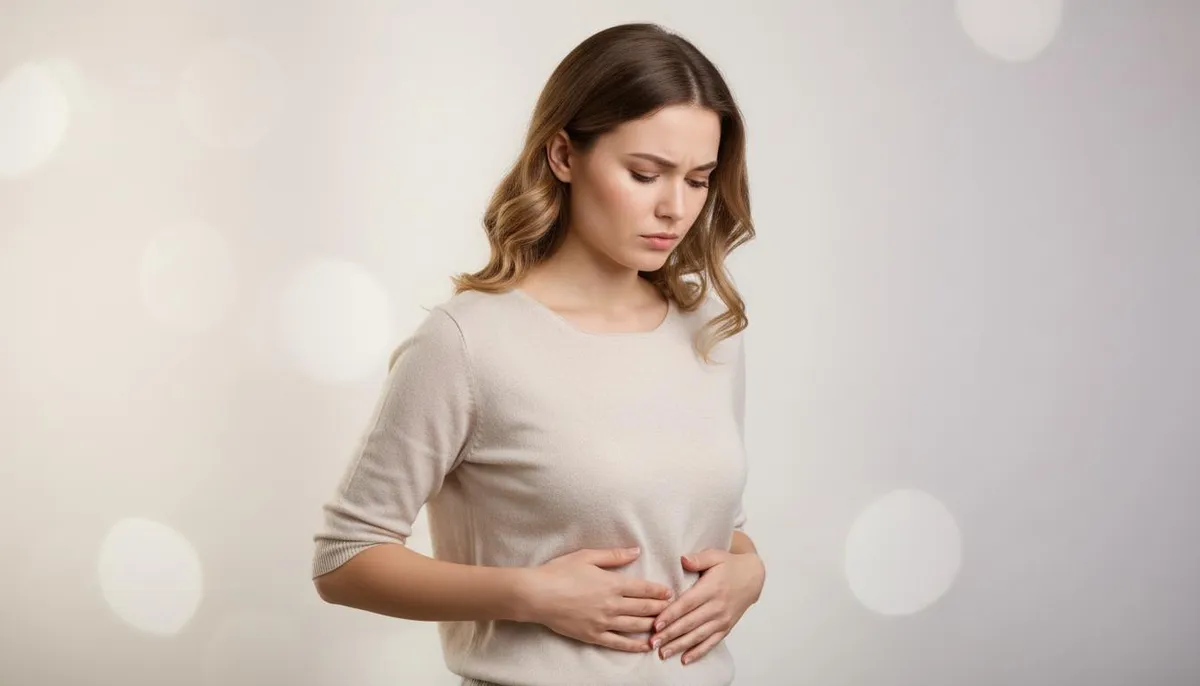
You may have given birth, or you may have had a miscarriage. However, it takes some time for your body to recover after that event. It is normal to experience some bleeding during this time. However, sometimes this condition can go beyond the normal range. One reason for that is the condition we are talking about today.
Gratis usurïña uruxa calculadora. Qhipa periodo uru jan ukax concepción uru qillqt’aña, EDD, jichha trimestre ukat jach’a lurawinakat jikxatañataki.
What exactly does this mean for retained parts of the uterus (RPOC)?
Simply put, Retained Products of Conception (RPOC) is when tissue from the fetus or placenta remains inside your uterus after the pregnancy ends. There are several ways this can happen:
- After a normal delivery
- After a cesarean section (C-section)
- After a miscarriage
- After an abortion
Most of what remains is part of the placenta, but sometimes parts of the fetus may also remain.
The important thing is that this is not a condition that affects many women. So don't be unnecessarily scared by reading about this. The most important thing is to be aware.
How do you know if you have this condition?
Your body goes through a lot of changes after pregnancy. Some bleeding and vaginal discharge are normal. However, if you experience heavy bleeding or large blood clots, it may be a sign that you need to seek medical attention.
The main and most common symptom of RPOC is heavy or irregular bleeding . In addition, these symptoms may also occur.
| Symptom | Description |
|---|---|
| Fever | It may be a sign of an infection in the body. |
| Lower abdominal pain | Pelvic pain is pain or discomfort in the pelvic cavity. |
| Uterine enlargement and pain | When examined by a doctor, the uterus may be larger than normal and may feel painful when touched. |
| Menstrual cycle not returning | If you are not breastfeeding your baby, your period should usually start again. If it doesn't, you need to pay attention to it. |
Why does this happen? What are the risk factors?
It's hard to pinpoint the exact reason why uterine tissue remains after pregnancy. However, certain factors may increase the risk of this condition.
- If you have had this condition before: If you have had RPOC in a previous delivery, you are more likely to have it again.
- Placental problems: In a condition called Placenta Accreta'', where the placenta is deeply attached to the uterine wall, the placenta may not fully separate and come out.
- Age: The risk is slightly higher if you are over 35 years old at the time of pregnancy.
- Instrumental childbirth: This risk may increase when the baby is delivered using instruments such as Forceps'' or Vacuum''.
- Second trimester miscarriage: If a delivery, miscarriage, or termination of pregnancy occurs between 13 and 26 weeks of pregnancy.
- Previous surgery: If you have had a previous C-section or dilation and curettage (D&C), scarring in the uterus may cause problems with placental abruption.
- Abnormalities in the shape of the uterus: Some women may be born with a different shape of the uterus. In such cases, this risk also exists.
What happens if these parts are not removed?
If the remaining parts of the uterus remain, it can lead to several complications, some of which may be quite serious.
- Anemia: Excessive bleeding can cause a decrease in the amount of blood in the body, leading to fatigue and fainting.
- Infection: Infections can occur due to the remaining parts of the uterus. If these infections are not treated properly, they can damage the reproductive system and sometimes develop into a dangerous condition called sepsis .
- Chronic lower abdominal pain: Frequent lower abdominal pain may occur.
- Asherman's syndrome:This is a rare condition. It involves the formation of scar tissue (adhesions) inside the uterus. This can cause problems with future pregnancy and menstrual irregularities.
How do doctors diagnose this condition?
It's hard to tell if you have RPOC just by looking at the symptoms. These symptoms can be similar to other conditions that can occur after childbirth. So your doctor may run a few tests to confirm the condition.
| Test type | What is happening? |
|---|---|
| Blood and tissue tests |
|
| Scans |
|
What are the treatments for this?
If RPOC is confirmed, treatment is performed to remove the remaining parts. There are two main treatment methods.
1. Medications: Misoprostol is a medicine that is taken orally or inserted into the vagina. This medicine works by causing the uterus to contract and expel the tissue inside.
2. D&C (Dilation and Curettage): This is a minor surgery. In this, the cervix is opened and a special instrument is used to scrape out all the tissue inside the uterus.
Both of these treatments are effective. Your doctor will decide which treatment is best for you, taking into account your condition and the size of the remaining tissue.
Are there any risks with these treatments?
As with any medical procedure, there are very small risks. There is a very small chance of heavy bleeding or infection. There is a very rare risk of uterine perforation during a D&C. However, this usually resolves on its own.
When should you seek immediate medical advice?
If you experience any of the following symptoms after childbirth, abortion, or termination of pregnancy, go to a hospital's Emergency Department (ETU) immediately or see your doctor.
- Difficulty breathing
- Very heavy bleeding (wetting more than one sanitary napkin per hour)
- High fever
- Nausea and vomiting
- Unbearable severe lower abdominal pain
After having a baby or having a miscarriage, you need time to rest and heal, both physically and mentally. It's normal to feel sad and disappointed when you're told you have to undergo another treatment. But remember, leaving this condition untreated can lead to long-term problems. So don't be afraid to talk to your doctor. Talking openly about your feelings and concerns will help you feel better.
💡 Take-Home Message
- Retained uterine tissue (RPOC) after the end of pregnancy is possible, but it is not common.
- The main symptom is heavy and irregular bleeding after childbirth/abortion. Other symptoms include fever and lower abdominal pain.
- If you have any of these symptoms, do not ignore them and tell your doctor immediately .
- This condition can be successfully treated with medication or a minor surgery called a D&C.
- After receiving proper treatment, most women can get pregnant again in the future without any problems and give birth to healthy children.






Janiw kuna arsuwinakas jichhakamax uñt’ayatäkiti. Aka chiqanx amuyt’awim jan ukax jiskt’awim yapxatañamawa.