
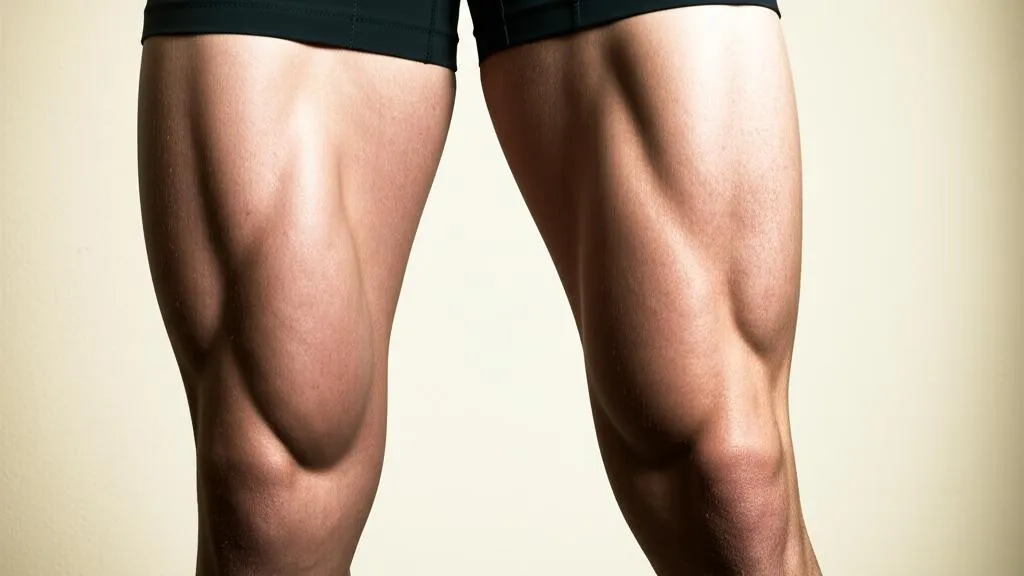
What are thigh muscles ?
Simply put, the upper part of your leg from your hip to your knee is what we call your thigh. The muscles in this area are called the thigh muscles. These are some of the largest and strongest muscles in our body. Because they play a major role in supporting the weight of our entire body and keeping us balanced. Just think, the largest and most powerful muscle group in our entire body, the Quadriceps, is located here. Not only that, the Sartorius, the longest muscle in our body, is also located in this thigh area.These muscles are so important that doctors sometimes test them to diagnose insulin- related conditions. For example, analyzing the tiny blood vessels (capillaries) in the quadriceps muscle can help detect inflammation of the heart (myocarditis).
What are the main functions of these muscles?
Most of the movements we make, from walking to sitting in a chair, are controlled by these thigh muscles. They also provide the main force for exercises like squats done while sitting on the floor. Their main functions are:- Keeping the body stable and balanced.
- Keeping the hips and legs together.
- Helping to rotate, extend, and move the leg from side to side.
- Walking
- Running
- Jumping
- Swimming
- Kneeling
- Turning the upper body to the sides
| Muscle group | Simply put, what happens? |
|---|---|
| Quadriceps | These are the largest and most powerful muscles in the body. They are located in the front of the thigh. They help extend the knee and bend the hip. This is what athletes and bodybuilders focus on the most. |
| Sartorius | The longest muscle in the body. It helps to bend and rotate the entire thigh. Specifically, this muscle is what works when we sit on the floor with our legs crossed. |
| Hamstrings | These are located at the back of the thigh. They are essential for bending the knee. That means they are needed for any movement that bends the knee, like squatting. When we walk, these hamstrings are what help us take our leg back after we take a step forward. |
| Adductors | These muscles, located on the inner side of the thigh, help keep our legs and hips aligned and help keep our body balanced. They help with the movement that brings the legs together. |
| Pectineus | This is a small muscle located between the front and middle parts of the thigh. It helps to bend and rotate the leg at the hip joint. |
Symptoms that can identify a problem with the thighs
Like any other muscle, the thigh muscles can be injured, pulled, or otherwise affected. Pain and bruising are common symptoms. In addition, the following symptoms may also occur:- That area feels like it's numb .
- Hearing a "pop" sound when you extend your knee or hip.
- Very swollen .
- Feeling weak when you put weight on something or apply pressure.
If these symptoms persist for several days, or if you are unable to use your leg normally, you should definitely see a doctor immediately for advice.
What are the most common disorders that affect these muscles?
These muscles are often injured when they are stretched beyond their limits. This is common during sports. It can also be caused by a sudden impact or sudden change in direction. There are two common types of injuries:1. Strains / Muscle Pulls
This is what we call a "pulled muscle." This is when a muscle or its associated tendon is pulled beyond its limits. This can cause severe pain, muscle spasms, weakness, and lameness. Imagine you are playing cricket and suddenly feel like you are running fast and your leg is pulled. That is what this condition is. This can happen in a single incident, or it can happen because of repeated movements.2. Muscle tears
This is a serious condition. Sometimes it can even lead to surgery. What happens here is that a muscle, tendon, or ligament actually tears. This causes severe pain, a lot of swelling, and bruising .How do we keep these muscles healthy?
In fact, it's just like any other muscle in the body. The most important thing is to listen to your body and avoid activities that could be dangerous. Especially if you play a tackling sport, you need to be very careful to avoid injury. If you feel pain while playing such a sport, don't continue playing through the pain. Doing so will only make the injury worse and prolong the healing time. Here are some other things you can do to keep your thighs healthy:- Eat a balanced diet rich in protein and variety .
- Drink plenty of water and maintain a healthy body weight.
- Exercise regularly to build strength .
- Before exercising or playing sports, it is essential to do a warm-up . This can greatly reduce muscle damage.
💡 Take-Home Message
- The muscles in your thighs are essential for daily activities like walking, running, and keeping your body balanced.
- Don't ignore pain, swelling, numbness , or weakness in the thigh area. If you experience any of these symptoms, see your doctor immediately.
- Warming up properly before any exercise or sport can prevent many injuries, such as muscle strains.
- A balanced diet, regular exercise, and maintaining a healthy weight can help keep your muscles strong and healthy.




Janiw kuna arsuwinakas jichhakamax uñt’ayatäkiti. Aka chiqanx amuyt’awim jan ukax jiskt’awim yapxatañamawa.