
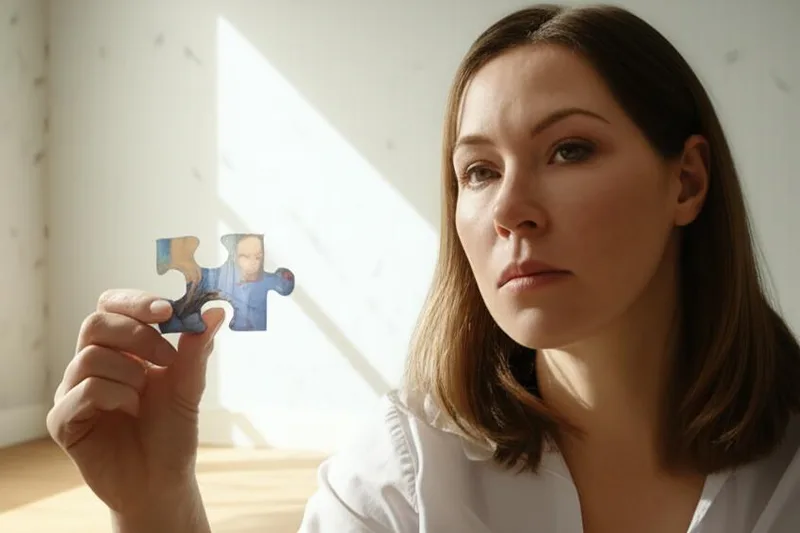
Do you sometimes think, "Oh, how did I forget that?" Some things, like an incident from your childhood, come to mind as soon as someone asks. But sometimes it's hard to remember where you put your keys or what you had for dinner last night. Why is that? This is the nature of the amazing process called memory. Simply put, memory is the way our brain takes in information, stores it, and organizes it so that it can be used again when needed.
It's normal for memory to decline a bit as we age. But in conditions like dementia, especially Alzheimer's, this memory loss can be severe. So today, let's talk about the different types of memory, how they work, and what things can affect them.
There are two main types of memory.
According to scientists, our memory can be divided into two main parts.
1. Explicit Memory: This is the stuff we consciously and consciously remember . For example, something you studied for an exam, your birthday, or an event in history. You have to make a little effort to remember these.
2. Implicit Memory: This is the stuff we just remember without any effort . These are like things we do out of habit. For example, you don't have to think about how to tie your shoelaces or how to ride a bike, right? It just happens. That's what this is all about.
There are several other subtypes within these two main types. Let's now talk about each of them separately.
| Memory Type | Simply put... | Examples |
|---|---|---|
| Episodic Memory | The events and experiences of your life. Like a photo album of life. | Telling about the events of the wedding day, the first day of school, and what you ate for breakfast this morning. |
| Semantic Memory | The general facts and knowledge you have about the world. It's like a dictionary in your head. | Knowing that the capital of Sri Lanka is Colombo, how to count, the alphabet. |
| Working Memory | Temporarily remembering information and using it at that moment. Like a notepad in the brain. | Remembering a phone number until you hear it and write it down. |
| Prospective Memory | To remember to do something in the future. "To remember is to remember." | The day I was going to see the doctor, saying I needed to take medicine at night. |
| Procedural Memory | Things and skills that are done by habit, without any effort. | Cycling, swimming, driving a car, typing on a keyboard. |
| Sensory Memory | Remembering information received from the five senses for a few seconds. | As soon as I hear a bird's song, as soon as I smell popcorn. |
Episodic Memory: Your Life Story
This is the type of memory that helps you remember your personal experiences and events. Think of your brain as an album of your life events. These memories are associated with many emotions. Things like how you felt on your first day of school, what happened on your wedding day, or where you were when a loved one died.
In conditions like dementia, this memory can be damaged. Then you start to forget important events in your life, even recent things like where you parked your car.
Semantic Memory: Your general knowledge
This is where the general facts you know about the world are stored. It's like an encyclopedia in your head. You don't have to remember when or where you learned these things, you just know them.
For example:
- Knowing what the capital of Sri Lanka is.
- Knowing that two, two, and four.
- Knowing the names of animals and fruits.
If this memory is impaired in dementia, a person may forget the names of people they know, the names of objects, and may have difficulty finding the right words when speaking.
Working Memory: Your Brain's Notepad
This is a type of short-term memory. It's like a little notepad in your brain. It helps you remember information temporarily, just for the sake of doing something at the moment. Once the task is done, that information is forgotten.
Imagine, someone tells you a phone number. Do you keep it in your head until you write it down or dial it? That's what working memory helps with. Also, this memory is essential for remembering the steps when calculating numbers, and for listening to something someone says and then giving an answer.
If this memory of someone with dementia weakens, it will take them longer to do simple calculations (e.g., adding up the bill at a store) and they will have difficulty following instructions.
Procedural Memory: Things done habitually
This is the type of memory that helps us remember skills and habits that we have learned. You don't have to think about these things. The brain does it automatically. Examples of this include riding a bike, driving a car, cooking, and typing on a phone.
In the early stages of dementia, this memory is not greatly affected. But as the disease progresses, even simple, habitual tasks like brushing your teeth can be forgotten.
Other types of memory and taking care of memory
In addition to these main types, there is also a type called prospective memory . This is remembering to do something in the future. For example, remembering to "take your medicine at 8 p.m." Forgetting this can sometimes be dangerous.
And also Sensory MemoryIt means remembering information received from our five senses (eyes, ears, nose, tongue, skin) for less than a second. This is like a filter. Only the information we pay attention to from this incoming information goes into short-term memory.
If you or someone in your family is having memory problems, don't panic or panic, and definitely talk to your doctor. Some memory problems can also be caused by treatable causes, such as vitamin deficiencies, thyroid problems, or stress. Therefore, it is very important to find the right cause and treat it.
Take-Home Message
- Our memory is not just one thing. There are several types of memory that function in different ways, helping us remember different things in our lives.
- It's normal to experience some memory loss as you age, but if your memory is getting worse enough to affect your daily activities, don't ignore it.
- Knowing about types of memory, such as episodic, semantic, and working, helps us understand what happens to the brain in conditions like dementia.
- If you have any doubts or concerns about your memory or that of someone you love, please consult a qualified physician (doctor) immediately.


💬 Comments (0)
No comments have been posted yet. Add your comment here for the first time.
Add your comment