
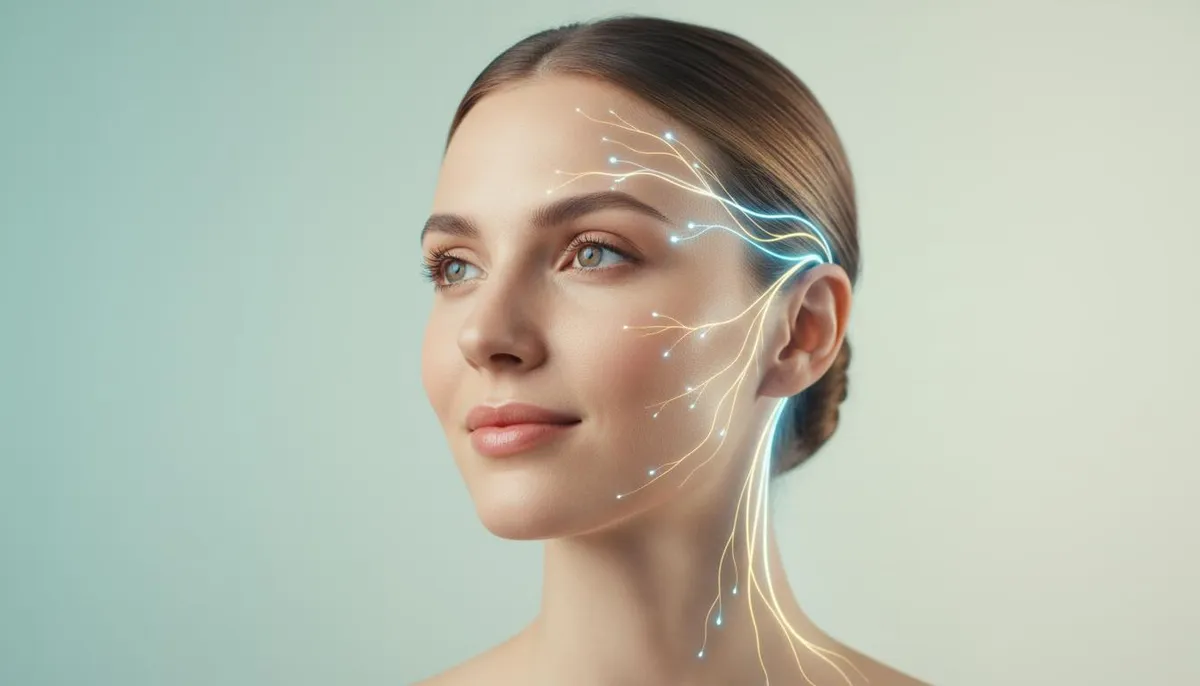
Sometimes you may feel that no matter how much medication you take for a condition like epilepsy or long-term depression, there is no real control. It is really frustrating when you try many treatments but don’t get the desired results. However, with the advancement of medical science, there are now modern treatments for even such conditions. One such treatment that doctors consider when other treatments have not worked is Vagus Nerve Stimulation, or VNS for short. Simply put, it is like a pacemaker implanted in the heart, but this one is for the brain, not the heart! Let’s talk about this in detail today.
First of all, what is the Vagus nerve?
Your nervous system is like a country’s network of telephone wires. These nerves help carry messages from your brain to every corner of your body and back to your brain. Of these, the Vagus nerve is a very special and longest nerve. It starts in the brainstem, runs through your neck, and extends all the way to your chest and abdomen. Think of it this is the main communication route between your brain, heart, lungs, and intestines. So the basic theory behind VNS therapy is that by changing the function of this nerve, you can affect brain function.
What conditions is VNS therapy used for?
This treatment is not for everyone. It is currently approved for three main conditions in the world. In each of them, doctors consider this option only when other conventional treatments have failed .
| Disease status | Who is suitable? |
|---|---|
| Epilepsy | As an adjunctive treatment for children over 4 years of age and adults with focal seizures that cannot be controlled with medication. |
| Treatment-Resistant Depression | Adults over 18 years of age with long-term or recurrent severe depression that has not responded to at least four different antidepressant medications. |
| Stroke Rehabilitation | As an additional aid to physical therapy exercises for those who have severely lost function in their hands and arms after an ischemic stroke caused by a blockage of a blood vessel. |
How is this VNS device attached to the body?
This is a really simple surgery. There's nothing to be afraid of. The surgery can usually be completed in about an hour and a half.
1. Device: This has two main parts. One is a device (pulse generator) that is a little bigger than a silver rupee and works like a battery. The other is a thin wire that runs from it.
2. Surgery: The doctor will make a very small incision on the left side of your neck and carefully wrap the wire around the vagus nerve. Then, he will make another small incision on the upper left side of your chest, create a small pocket under the skin, and insert the battery-like device there. Then, he will bring the wire wrapped around the nerve under the skin and connect it to this device.
3. Testing: After everything is connected, the doctor will immediately turn on the device for a while to see if it is working properly. Then the incisions are stitched up. Usually, these stitches dissolve, so there is no need to go back and break them again.
You can resume normal activities about two days after surgery.
What happens after surgery?
You will have to see your doctor again in about two to four weeks. That's when a special computer device (programming wand) will be used to precisely activate the VNS device inside your body. The doctor will decide how strong the electrical pulses should be, how long they should last, and at what intervals, depending on your symptoms.
You will be given a magnet that you can hold in your hand. If someone with epilepsy feels like they are about to have a seizure, when you rub this magnet against the area where the device is located on their chest, it sends an extra electrical pulse to the brain. Also, if you hold this magnet over the device, it can temporarily turn it off.
The battery in this device usually lasts about 6 years (some last up to 15 years). When the battery runs out, only the device in the chest is replaced through another minor surgery.
Who is not suitable for this treatment?
VNS therapy is not for everyone. If you have any of the following conditions, this treatment may not be right for you. You should definitely talk to your doctor about this.
| Situations that may be unsuitable for VNS treatment | |
|---|---|
| - If pregnant | - If you have breathing difficulties (asthma, sleep apnea) |
| - If you have an active stomach ulcer (peptic ulcer). | - If you have insulin-dependent diabetes |
| - If you have heart rhythm disorders (arrhythmias) or other heart diseases | - If you have autoimmune nervous system diseases (dysautonomias) |
| - If you have previously had surgery that damaged the vagus nerve on the left side of the neck | - If you have a history of other severe mental illnesses such as schizophrenia or bipolar disorder |
What are the risks and side effects of the treatment?
As with any surgery, there are some minor risks and side effects. However, most of these are temporary or can be controlled by changing the settings of the device.
- Common risks related to surgery: infection of the incisions, pain, damage to the vagus nerve or surrounding tissues.
- Possible side effects caused by the operation of the device:
- Cough
- Hoarseness or change in voice
- A tickling sensation in the neck or throat
- Difficulty breathing (dyspnea)
- Difficulty speaking (dysphonia)
- Difficulty swallowing (dysphagia)
- Headache
If these side effects bother you, you can ask your doctor to reduce the strength of the electrical pulses from the device. There are also serious side effects that can occur very rarely, and your doctor will inform you about these as well.
When you need to talk to the doctor
If you experience any of the following symptoms, call your doctor immediately.
| If you have these symptoms, seek medical advice immediately. | |
|---|---|
Symptoms of infection:
| Other serious symptoms:
|
Another important thing: If you have a VNS device, it is imperative that you inform your doctor about it before any medical test, such as an MRI scan.
💡 Take-Home Message
- Vagus Nerve Stimulation (VNS) is a specialized treatment used for epilepsy, depression, and stroke rehabilitation that is not controlled by conventional treatments such as medication.
- This is not a cure for the disease, but it can significantly reduce symptoms (e.g., the number of seizures, the severity of depression) and help improve quality of life.
- This treatment requires surgery to implant a small device under the skin.
- This treatment is not suitable for everyone. You should discuss with your specialist whether it is right for you and what the risks are before making a decision.
- After the device is installed, it is very important to maintain regular contact with the doctor and attend clinics as scheduled.




Janiw kuna arsuwinakas jichhakamax uñt’ayatäkiti. Aka chiqanx amuyt’awim jan ukax jiskt’awim yapxatañamawa.