
Sometimes we get tingling in one hand or foot, and it goes away on its own after a while, right? But imagine, if your hands and feet gradually lose strength, start to feel numb, and the condition gradually increases over a period of more than two months? This is one of the main symptoms of a rare neurological condition called CIDP (Chronic Inflammatory Demyelinating Polyneuropathy) . Although the name is a bit complicated, let's understand it simply. Although this is a somewhat rare disease, it is very important for everyone to be aware of this.
Simply put, what is CIDP?
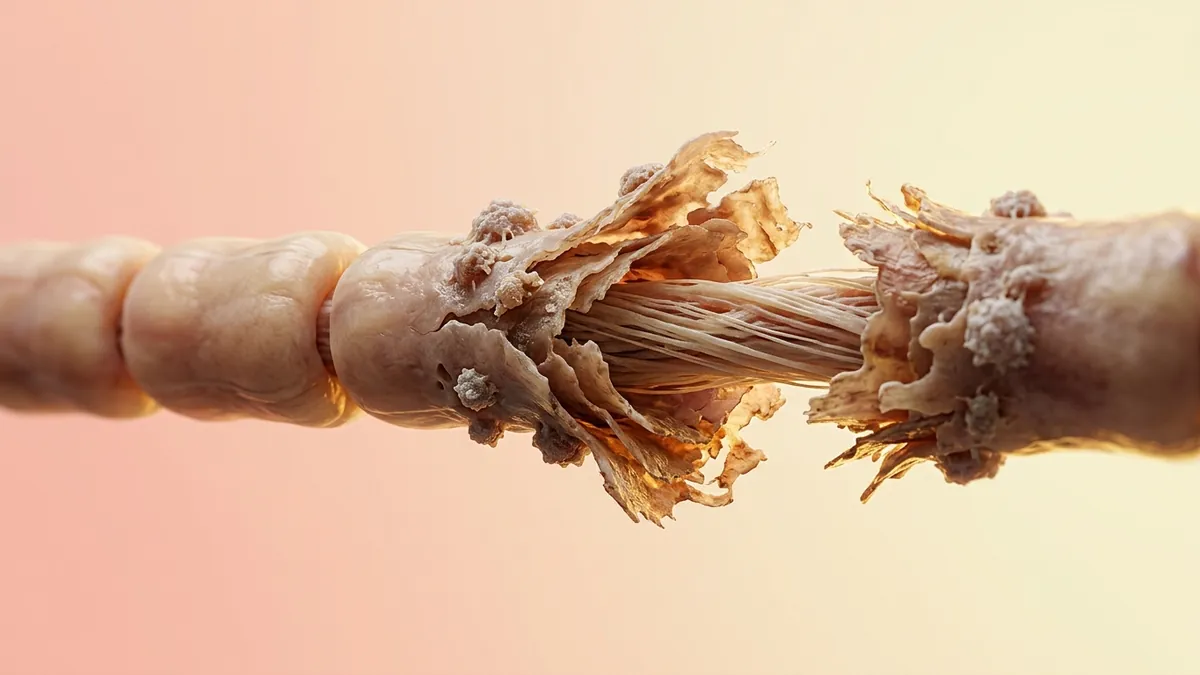
CIDP is a long-term condition that occurs when our immune system (the system that protects us from disease ) mistakenly attacks our own nerves . Specifically, it damages the protective covering around the nerves (called myelin ). Think of this covering as the plastic sheath around an electrical wire. When this sheath is damaged, the nerves don't send messages to the brain and other parts of the body properly. That's what causes symptoms like weakness and numbness in the limbs.
Although this disease can occur at any age, it is more common among adults and men.
What is the difference between CIDP and Guillain-Barre syndrome (GBS)?
You've probably heard of Guillain-Barre syndrome ( GBS ). Both of these diseases affect the nerves and have similar symptoms. But there are clear differences between the two.
- Guillain-Barre Syndrome (GBS): This usually starts suddenly a few days after an infection, like a stomach ache. But with treatment, it is more likely to recover quickly.
- CIDP: This is a long-term condition that develops over months without any connection to any infection. GBS can rarely progress to CIDP without treatment.
What are the symptoms of CIDP?
The symptoms of CIDP are not the same for everyone. They can vary depending on the type of CIDP you have. In general, you may experience extreme fatigue, numbness, and pain. This can cause your reflexes to slow down and your arms and legs to become weak.
The main and first visible symptom is a gradual increase in muscle mass over a period of two months or more.Muscle weakness . This weakness affects both sides of the body. Specifically:
- Hips and thighs
- Shoulders and upper arms
- Hands
- Feet
In addition to this main symptom, other symptoms may be seen:
- Muscle atrophy: Muscles shrink and become smaller.
- Paresthesia: A feeling of numbness or tingling in the fingertips.
- Difficulty walking: Loss of balance and inability to walk properly.
- Neuropathic pain: Severe pain caused by problems with the nervous system.
- Weakened responses (Deep tendon problems): When a doctor taps the knee with a small hammer, the response disappears, as if the leg is being stretched.
Very rarely, difficulty swallowing (dysphagia) and temporary double vision (diplopia) may also occur.
To suspect CIDP, these symptoms must persist for at least 8 weeks .
Are there different types of CIDP?
Yes, CIDP can be divided into several main types based on symptoms. This information table will give you a clear idea.
| CIDP type | Main features |
|---|---|
| Typical CIDP | Most people have this type, which causes sensory problems like muscle weakness and numbness that affect both sides of the body. |
| Multifocal motor neuropathy | Muscle weakness occurs on one side of the body or in places (asymmetric). |
| Lewis-Sumner syndrome | Both muscle weakness and sensory problems occur on one side of the body. |
| Pure sensory CIDP | There is no muscle weakness, but there is numbness, pain, and difficulty walking. |
| Pure motor CIDP | There are no sensory problems, but there is muscle weakness and loss of response on both sides of the body. |
Also, doctors classify the disease into three categories based on how it behaves:
- Progressive: Symptoms gradually worsen over time.
- Recurrent: Symptoms appear, disappear, and reappear.
- Monophasic: The disease occurs only once in a lifetime. It resolves after about 1-3 years.
What causes CIDP? Is it contagious?
The exact cause of CIDP is still unknown, but we do know that it is caused by inflammation of the nerves and nerve roots. As mentioned earlier, this damages the myelin sheath around the nerves.
The most important thing is that CIDP is not a contagious disease. You cannot catch it from someone else, nor can you catch it from someone else.
How is the diagnosis made?
There is no specific test for CIDP. So, your doctor will first ask about your symptoms (when they started, how you feel), then perform a physical exam and recommend a few tests to figure out exactly what's wrong with your nerves and rule out other conditions.
These tests may include:
- Blood and urine tests.
- Nerve conduction study and Electromyogram (EMG): These look for damage to the nerves and myelin sheath.
- Lumbar puncture: A small amount of fluid is taken from the spinal cord to check for elevated protein levels, which are common in CIDP.
- Nerve biopsy: A small piece of tissue is taken from a nerve and examined under a microscope.
- MRI scan: Can check for swelling of the nerve roots.
Very important: It is important to diagnose this disease at an early stage and start treatment.It is essential. It can prevent nerve damage. If left untreated, symptoms can become severe, sometimes to the point of requiring the use of a wheelchair.
What are the treatment options?
Many people need treatment. The sooner treatment begins, the better the chance of a full recovery.
Types of drugs
- Corticosteroids: These are steroid-type medications that reduce inflammation and control the activity of the immune system.
- Immunotherapy: These drugs stop the immune system from attacking myelin.
- Biologics: Drugs such as Vyvgart, a recently approved new class of drugs, are also used for this purpose.
Specific treatments
- Intravenous immunoglobulin (IVIG): You are given an injection of a concentrated form of antibodies isolated from the blood of healthy people. This helps control the malfunctioning of your immune system.
- Plasma exchange (PE): This involves taking your blood, sending it through a special machine, removing the blood plasma that contains harmful antibodies, and then reinjecting clean blood back into your body.
- Stem cell transplant: In this very rare treatment, healthy stem cells are transplanted to "reset" the immune system.
Other supportive treatments
- Physical therapy: This is very helpful in regaining lost strength, walking, and improving balance.
- Occupational therapy: Teaches you how to perform daily tasks more easily despite your condition.
- Exercise and diet: Moderate exercise can help you gain strength. But exercise should only be done under the supervision of your doctor or physical therapist. A balanced diet can help prevent unnecessary weight gain.
Living with CIDP and the outlook
When you receive a CIDP diagnosis, you may feel overwhelmed. That's normal. It's important to stay in touch with your doctor and talk about your symptoms and treatment.
Emergency Warning: If you experience difficulty breathing, immediately go to the Emergency Department (ETU) of the nearest hospital.
It is also very important to seek professional help to manage pain and find psychological relief. Your family, friends, and your medical team will be a great source of strength for you on this journey.
As for the outlook, it depends on your age, the type of disease, how early treatment is started, and how your body responds to treatment.The good news is that with treatment, about 90% of people recover. Some people may experience a return of symptoms. However, CIDP does not usually shorten life expectancy.
💡 Take-Home Message
- CIDP is a rare, long-term condition in which the body's immune system attacks its own nerves.
- The main symptom is muscle weakness and numbness that gradually increases over several months.
- This is not a contagious disease, and the exact cause has not yet been found.
- If you have these symptoms, it is essential to see a doctor immediately. Early diagnosis and treatment can prevent nerve damage.
- With proper treatment, many people can live a good life, and this is not usually a life-threatening disease.






Janiw kuna arsuwinakas jichhakamax uñt’ayatäkiti. Aka chiqanx amuyt’awim jan ukax jiskt’awim yapxatañamawa.