
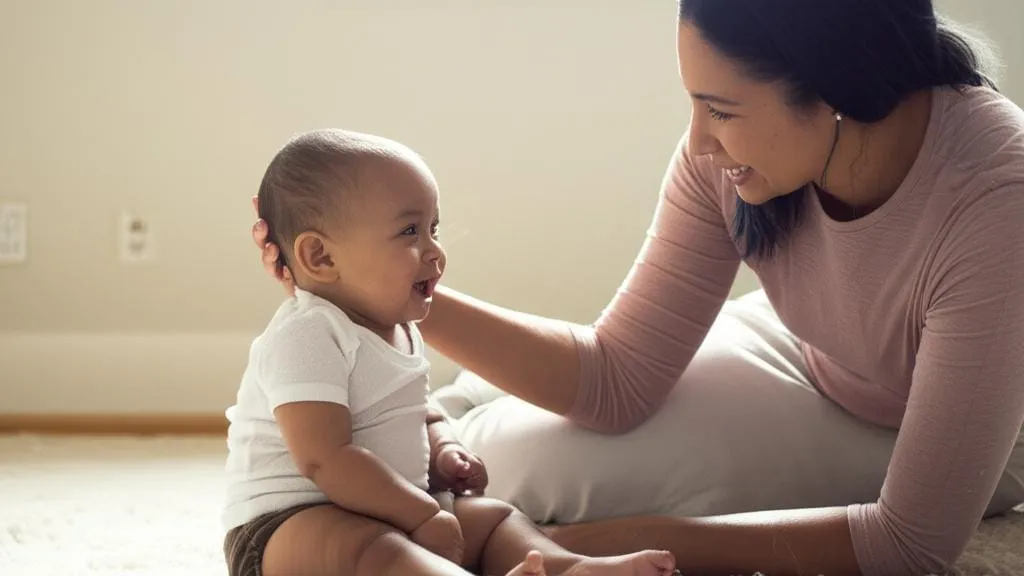
As a mother or father , your biggest dream is to see your child grow up to be a good, confident, and capable person, right? But sometimes we can't figure out what method we should follow when raising our child to do that. Today we are talking about a parenting style that is so different, yet very simple and very respectful of the child. This is called the RIE (Resources for Infant Educators) method.
Simply put, RIE is based on the idea that a child, especially a baby, should not be treated as a commodity, but as a small person with their own feelings, desires, and identity. It was introduced by child specialist Magda Gerber. She called this method "Educaring." It means caring for the child while educating him. Today, it has become a popular method followed by many parents, preschools, and kindergartens around the world.
Know your body mass index (BMI) and weight classification
What is the basic essence of the RIE method?
The foundation of this method is the mutual respect, trust, and connection between parents and children. This method teaches us to see the child as a separate person with his own unique likes and dislikes. Let's take a simple look at the main principles of the RIE method.
| Principle | Simple Meaning |
|---|---|
| Believe in the child's abilities | Trust that your child can explore and learn on their own, and let them do so. You only need to help as little as possible. |
| Give yourself free time to explore. | Give your child plenty of time to play without interruption and try new things. |
| Create a safe space. | Create a safe environment for your child to move around freely and play without fear. |
| Make caring a shared act of both parties. | When feeding, bathing, or changing clothes, don't just do those things, talk to the child and involve him in the process. |
| Look at the child carefully and listen to him/her. | The best way to truly understand your child's needs is to carefully observe and listen to what they do. |
Let's explain these principles a little.
Imagine your baby is trying to reach for a toy. He can't reach it and is struggling a little. Most of the time, we just give him the toy quickly. But the RIE method is to give him a little time to try and reach for it. If he needs your help, at least help him. This way, when he does something on his own, his self-confidence builds. He is motivated to learn through his own efforts.
It's also about letting your child play freely. We should let him play and then talk to him about what he did. When you say things like, "Oh... you colored beautifully today, didn't you?" or "I saw how you played with the ball," he will become interested in what he is learning.
When a baby starts to crawl and walk, he needs a safe space. That doesn't mean you have to give him the whole game. Maybe you can put a small mat on one side of the room and put some safe toys on it, making it his own 'zone'. Then he can do whatever he wants within that boundary without fear.
One of the most important things about RIE is the moments when you care for your baby. When you bathe, change, or feed your baby, don't just do it, talk to him. When you say things like, "Okay, son, shall we change the diaper now?" or "Look, I'll lift your leg," he becomes a part of the process. It's a wonderful time that strengthens the bond between you and your baby.
What are the results of the RIE method?
This method is not just an idea. Research on this has yielded very good results. These are some of the findings from a famous study conducted in America.
- Language skills improve: Children raised in the RIE program have significantly improved their language skills and word comprehension skills compared to other children. This is a good foundation for better reading and writing skills in the future.
- Social and emotional skills develop: These children were found to have greater self-control and motivation . They were also better able to relate to others.
- Strong bonds are formed: A sensitive, strong bond is formed between the child and the parents/teachers. This good bond also directly affects the child's educational success.
Remember, the best time to introduce this method to a child is when they are under the age of 5. This is because that is when their brains develop the fastest and they learn new things most easily.
Following this method may be a challenge at first. Because we are used to doing everything for the child. But with a little patience, trusting the child's abilities and letting him do it, you will see amazing results. If you have any other concerns about this, you can also discuss this with your doctor when you talk about your child's development.
💡 Take-Home Message
- RIE is a parenting style based on respecting and treating the child as a separate individual.
- Trust your child's abilities and allow them to explore and learn on their own.
- Provide a safe environment and enough time for the child to play freely, without interruption.
- Don't just do chores when bathing, feeding, and dressing your child, but turn those times into opportunities to talk to and bond with your child.
- This method helps develop the child's self-confidence, language ability, and social skills, and build a strong personality.



No comments yet. Be the first to share your question or experience below.