
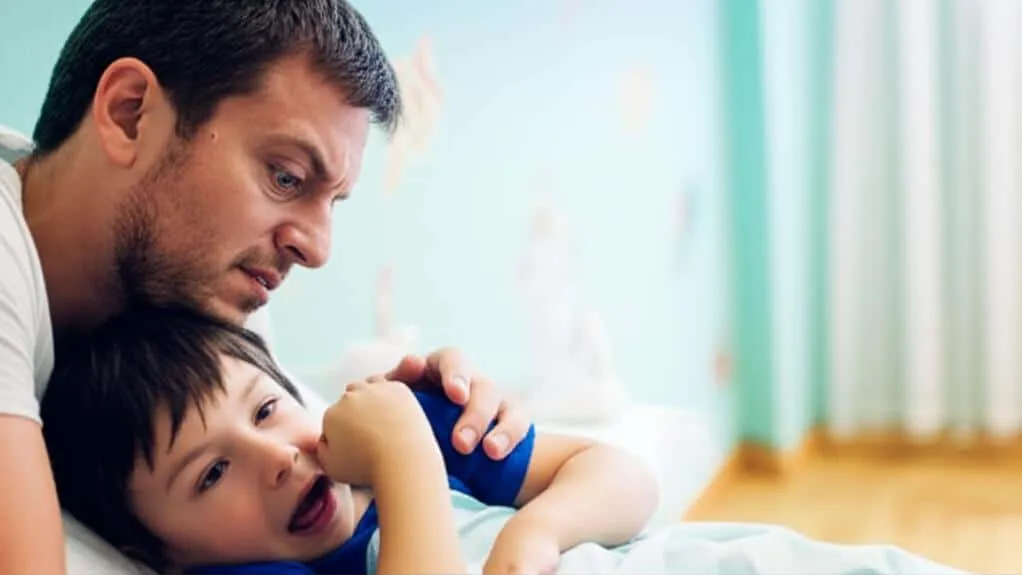
Has your child had a cold and cough for a few days? Has the cough gotten worse and is it now making it difficult to breathe? Maybe the child is very upset with the fever. As parents, we get very scared at times like this. These could be symptoms of pneumonia. But don't worry. This can be cured if you get proper medical treatment. So let's be aware of this today.
GAD-7 ukax llakisiñ uñakipiri. 7 jiskt’awinakaru jaysaña, trastorno de ansiedad generalizada uñakipañataki. Sapa kutiw mä profesional de salud mental ukar jiskt’asiñama, ukhamat diagnostico lurañataki.
How do children get pneumonia?
Simply put, pneumonia is an infection of the lungs . Our lungs have tiny air sacs called air sacs. When pneumonia develops, these air sacs fill with pus or fluid. This causes the child to have difficulty breathing and cough.
The main causes of this infection are microorganisms such as viruses and bacteria. Sometimes pneumonia can develop as a complication of a common cold, flu, or illness such as COVID-19. These germs enter the nose and throat, travel through the respiratory tract, and infect the lungs.
RSV (Respiratory Syncytial Virus) is a major virus that causes pneumonia, especially in children under 5 years of age.
Factors that increase the risk of developing pneumonia
Some children are more likely to develop this disease.
- A child under the age of 1 is at a much higher risk of pneumonia due to secondhand smoke .
- If the child's immune system is weak (e.g. due to HIV or another medical condition).
- If you have chronic medical conditions such as asthma, cystic fibrosis, sickle cell anemia, or heart disease.
- If you have a congenital problem with your lungs or respiratory tract.
What are the symptoms of pneumonia? How do you recognize it?
Pneumonia is a disease that is usually spread from person to person. It is especially common in cold weather, especially in the fall and winter, when children stay indoors. But remember, neither the clothes your child wears nor the temperature outside can prevent pneumonia.
Symptoms can vary from one child to another. Symptoms also vary depending on whether the disease is caused by a bacteria or a virus. However, it is difficult to tell the difference between the two. Therefore, it is best to see a doctor.
| Symptoms of bacterial pneumonia | Symptoms of viral pneumonia |
|---|---|
| Having a high fever | Gradually increasing difficulty breathing |
| Cough with mucus | Wheezing |
| Chest pain when coughing | Gradually worsening cough |
| Vomiting | Rapid or rough breathing |
| Stomach upset (diarrhea) | Headache |
| Appetite | Chills |
| Unusual tiredness and drowsiness | The child's frequent crying or restlessness |
Many times, parents first think it's just a common cold. However, if your child's symptoms worsen, especially if they have difficulty breathing, you should definitely see a doctor.
How is pneumonia treated?
The treatment depends on whether the cause of the illness is a virus or bacteria. The doctor will first examine your child and ask you about your symptoms. Then, to confirm the diagnosis, they may do a chest X-ray, blood tests, etc. They may also attach a small clip-like device (pulse oximeter) to your child's finger to measure the oxygen level in their body.
Treatment for viral pneumonia
If the cause of the illness is a virus, treatment options are limited because antibiotics do not work against viruses. In such cases, the doctor may advise:
- I want you to rest well .
- If there is a fever, they will tell you to give the prescribed dose of medicine like paracetamol to reduce the fever.
- Most importantly: Do not give cough suppressants, such as codeine or dextromethorphan, to children with pneumonia. Coughing is a natural way to clear the lungs of unwanted mucus. Stopping it can make the illness worse.
Treatment for bacterial pneumonia
If the cause of the disease is confirmed to be bacterial, the doctor will prescribe antibiotics . Here are a few things you should definitely keep in mind :
- Give the exact dose prescribed by the doctor, at the exact time, for the exact number of days.
- Even if the child feels better after two or three days, continue to give the medicine for the full prescribed number of days .
- If you stop taking the medicine halfway, the bacteria remaining in the lungs can become stronger again, and pneumonia can develop again. This can be very dangerous.
How can we protect our children from this dangerous disease?
The best and most effective way to protect children from pneumonia is vaccination .
World health organizations, such as the US Centers for Disease Control and Prevention (CDC), recommend vaccines to prevent pneumonia.
- PCV13 or PCV15: These vaccines are recommended for children under 5 years of age and children between 5-18 years of age who are at increased risk of pneumonia due to other medical conditions.
- PPV23: This vaccine is also recommended for children between the ages of 2-18 with certain medical conditions.
It is important to talk to your doctor about these vaccine options and decide which is best for your child. Also, make sure that all other vaccines appropriate for your child's age (e.g. measles, mumps) are up to date.
In addition,
- Teach your child good hygiene habits, such as washing hands with soap regularly .
- Keep the child's play areas and toys clean.
- Completely avoid smoking in places where children are present.
💡 Take-Home Message
- Although pneumonia is a scary lung infection, it can be completely cured with proper medical treatment.
- Even if it initially looks like a common cold, be concerned if symptoms such as high fever, severe cough, and difficulty breathing appear.
- If you have even the slightest suspicion of pneumonia, never stay home. Definitely see a doctor .
- If the doctor prescribes antibiotics, take them for the full prescribed number of days without stopping for any reason .
- The best way to prevent pneumonia is to get vaccinated. Talk to your doctor about it.
Janiw kuna arsuwinakas jichhakamax uñt’ayatäkiti. Aka chiqanx amuyt’awim jan ukax jiskt’awim yapxatañamawa.