

Have you ever seen your grandmother, grandfather, or someone with a leg injury use a walking stick? Some people think that this is a sign of aging and weakness. But a walking stick is actually a very valuable tool that protects our independence and gives us strength. These walking sticks, which have been used to help people walk when they are injured since ancient times, have now been technologically advanced. So, if you too need to use a walking stick, it is very important to know exactly what to do.
What are the uses of a stick?
A cane is just one of many mobility aids. Other devices used include crutches, walkers, and wheelchairs. Of these, a cane is a very simple device.
Simply put, a cane is used to provide extra support when your body is having difficulty maintaining balance and stability on its own. Think about the things we do every day, which is:
- Walking
- Standing still
- Going up and down stairs
- Getting dressed
- The bath
- Doing some kitchen work
A cane can provide great relief for all of these conditions. Depending on your condition, it can be used short-term or long-term.
Why do we need to use a stick?
A cane is not just a medical device, it is something that gives you back your lost independence and protects it. Studies have even found that when someone with some difficulty walking uses a device like a cane, their mental and physical health improves significantly . This is a great strength to live longer without anyone's help, even as they get older.
So, if you have even the slightest problem with balance or stability, don't hesitate to use a cane. It will make a big, positive difference in your life.
What are the situations when a cane might be needed?
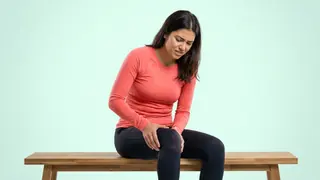
Many people may need the help of a cane at various times. For example:
- During the healing process after a broken bone in the leg or foot
- Maintain balance in the event of an injury, such as a severe sprained knee or ankle.
- When you have hip problems
- During recovery after knee or foot surgery
- When recovering from a stroke
- For balance and strength deficits that come with age
- In case of permanent or temporary disability
- Having chronic diseases like multiple sclerosis or Parkinson's disease
- In case of certain congenital defects
If you feel you need a cane even if it's not on this list, be sure to talk to your doctor. He or she can give you the best advice on what your body needs. After surgery or treatment for an injury, the doctor will usually recommend a cane.
What types of sticks are there?
There are three main types of sticks that can be used in practice for many health conditions. Let's take a look at what they are.
| Type of Cane | Description and matching occasions |
|---|---|
| Single point cane | This is the most common type of stick we see, with a hook-like grip. This is perfect for temporary problems like sprains. |
| Center balance cane | This one also has one end that hits the ground, but the handle is flat and large. So it's easy to hold. You can put more weight on it while standing or sitting. This is especially useful for long-term conditions like multiple sclerosis. |
| Quad cane | It has four small feet that touch the ground. This provides maximum support. This is a good option for someone who uses a walker and is trying to get rid of it. |
How do I choose the right stick for me?
If you need a cane due to a medical condition, your doctor or physiotherapist will tell you which type is right for you. It is very important to follow that advice exactly.
Otherwise, if you choose your own, consider your needs and decide on the type that suits you. The most important thing is to choose a stick that is the right height for your body. Here's how to find the right height:
1. Stand straight and place your arms freely at your sides.
2. The handle of the stick should come to your wrist joint .
3. Your elbows should be slightly bent when holding the stick.
Using a stick that is not the right height can cause back pain, shoulder pain, and other discomfort. So be careful about this.
How to use a stick correctly?
No matter what type of cane you choose, it's important to use it correctly. Otherwise, you could injure yourself further or delay your recovery. Follow these steps to learn how to stand, sit, walk, and climb stairs using a cane.
The most important rule: Always remember to hold the cane in the hand opposite the affected leg. For example, if your right leg is affected, you should hold the cane in your left hand.
| Action | Method |
|---|---|
| When standing | When getting up from a chair, hold the cane in one hand, place the other hand on the chair's armrest, and use that hand to push yourself up. Once you're standing, balance yourself properly on the cane and take your first step. |
| When sitting | Step back until the chair touches the back of your legs. Sit down slowly, keeping one hand on the cane and the other on the chair. |
| When walking | 1. Place the stick a small step in front of you. 2. Next, bring the disabled leg forward and place it parallel to the cane. 3. Now complete the step with the good leg . |
| When climbing the stairs | 1. Put weight on the stick and place the good leg on the top step. 2. Now shift your weight to the good leg and lift the disabled leg up. 3. Next, take the stick to the upper level. |
| When going down the stairs | 1. First, place the stick on the bottom step. 2. Next, place the injured leg on the lower step. 3. Now bring the good leg down to the bottom step. |
💡 Take-Home Message
- A cane is not a sign of weakness, but a valuable tool that protects your independence and safety.
- Be sure to seek the advice of your doctor or physiotherapist to choose the right cane for you and adjust its height correctly.
- The cane should be used with the hand opposite the affected leg. This is very important.
- Remember to "good leg up" when going up stairs and "bad leg down" when going down stairs.
- If you are unsure whether you need a cane or if you have difficulty using one, talk to your doctor.



Janiw kuna arsuwinakas jichhakamax uñt’ayatäkiti. Aka chiqanx amuyt’awim jan ukax jiskt’awim yapxatañamawa.