What you need to know about baby vaccinations! (Vaccines/Immunizations)

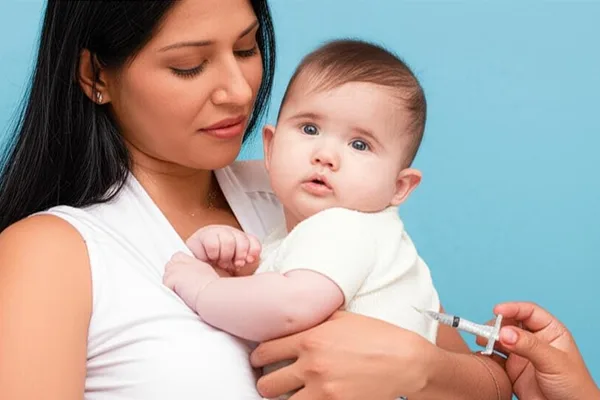
What you need to know about baby vaccinations! (Vaccines/Immunizations)

Is it time for your little one to get their next vaccination as per their vaccination card? You also feel sad when your baby cries while getting a vaccine, right? It's very normal. But the most important thing we all need to understand is that these vaccines are like a shield that protects a child from a lot of dangerous diseases. So today, let's talk about these vaccines, or as we call them, all the questions you have in mind about them.

What exactly is a vaccine?

Simply put, a vaccine is a very small, weakened part of a virus or bacteria that causes a disease, or a completely killed germ. Some modern vaccines may contain a piece of protein made in a laboratory that looks like the germ.

When this enters the body, our body's immune system is immediately activated. It's like training an army. The body thinks that a real illness is coming. Then, it starts making special soldiers called 'antibodies' that it needs to fight against that illness. Then, if the germ that actually causes that illness ever comes into the body, our immune system is prepared in advance and will fight that illness and defeat it. As a result, either the illness stops happening completely, or if it does happen, it will be very mild and you will recover quickly.

Why is it so important to get vaccinated?

Just think, it's much easier and less expensive to prevent a disease than to treat it after it occurs. That's the main purpose of vaccination.

Vaccines protect not only us, but also others around us, especially those with weakened immune systems, from serious diseases. Just think, diseases like measles, mumps, and whooping cough, which once claimed the lives of thousands of children in our country, have now been greatly reduced thanks to these vaccines. Vaccines are also the reason why diseases like polio and smallpox are almost eradicated from the world. Some vaccines only need to be given once in a lifetime, but some vaccines require "booster" doses from time to time to maintain their protection.

What vaccines should my child receive?

In our country, to enroll a child in a school, you must have proof of vaccination. This will protect not only your child, but also all the other children in his or her class. The table below lists some of the main vaccinations that a child is given according to the National Immunization Program in Sri Lanka.

Vaccine-preventable diseaseEnglish Name
Tuberculosis BCG Vaccine
Polio Poliovirus Vaccine
Throat, flatulence, whooping cough, hepatitis B, Haemophilus influenzae B Pentavalent (DTP-HepB-Hib)
Measles, mumps, rubella MMR Vaccine
Japanese encephalitis (brain fever) Japanese Encephalitis (JE) Vaccine
Gallbladder, ileus (adult) Adult Diphtheria and Tetanus (dT)
Covid-19 COVID-19 Vaccine

It is very important to give your child the vaccinations exactly as per the schedule on their vaccination card. But if for some reason you miss a vaccination, don't worry. You can talk to your doctor and get the missed vaccination.

Should we be afraid of the side effects of vaccines?

Today's vaccines are very safe. But like any medicine, vaccines can have minor side effects. Most of the time, these are very minor.

  • Redness, slight soreness, or swelling at the injection site.
  • Slight fever.

These things usually go away completely in a day or two. Very rarely, a child may develop a slight fever. This fever is not harmful to the child, but it can make the child feel uncomfortable. Serious allergic reactions are very rare.If that happens, it will happen right after the vaccination. Doctors' offices (clinics) have all the necessary facilities to deal with such a situation. If your child has any allergies to anything, you should tell the doctor about it before giving the vaccine.

The most important thing is that the potential for serious consequences (such as death or disability) from vaccine-preventable diseases is thousands of times greater than the very small risk posed by a vaccine.

Myths about vaccines

The internet and social media have spread many misconceptions about vaccines. Let's look at some of the main ones.

Myth #1: "Why vaccinate for diseases that don't exist anymore?"

This is something that many parents ask. "Why do we vaccinate our children against diseases like measles and polio that we have never seen before?" The simple answer is that these diseases are now rare because of vaccines. If we stop giving vaccines based on these misconceptions, those dangerous diseases will start spreading again.

Myth #2: "The mercury compound thimerosal in vaccines is dangerous."

Thimerosal is a compound that was once used to preserve vaccines. However, research has shown that the very small amounts in vaccines do not cause any harm. However, as a precaution, thimerosal has been completely removed from most childhood vaccines since 2001.

Myth #3: "Vaccines cause autism."

This is the biggest and most dangerous myth in the world. It is completely false. Symptoms of autism spectrum disorder usually appear in a child at the same age as the MMR vaccine. The coincidence of these two periods has led some to believe that there is a connection.

But the MMR vaccine never contained thimerosal. The only study that showed a link between vaccines and autism has been proven to be fraudulent. All subsequent research, including a 10-year study of nearly 700,000 children, has repeatedly shown that there is no link between vaccines and autism. Remember, the harm that can be done to a child by diseases like measles and mumps is far greater than the harm that is thought to be caused by a vaccine.

Take-Home Message

  • Vaccinations are a very important and safe way to protect children from serious diseases.
  • It is normal to experience a slight fever and redness at the injection site after a vaccination. These will go away in a few days.
  • The myth that vaccines cause autism is completely false. This has been proven by a large number of scientific studies.
  • Give your child the vaccines exactly as per the schedule on their vaccination card. If you miss a dose, don't panic and talk to your doctor.
  • If you have any questions, concerns, or doubts about vaccines, don't believe the misinformation on the internet, but ask your doctor.

Vaccines, vaccine, immunization, baby vaccines, childhood vaccines, vaccine side effects, vaccine myths
⚠️ Important: The medical articles and information on Nirogi Lanka are for general awareness only, and are by no means a substitute for professional medical advice, diagnosis, or treatment. For any medical problem you have, consult a qualified physician immediately.

💬 Comments (0)

No comments have been posted yet. Add your comment here for the first time.

Add your comment

Please calculate: 6 + 9 =
What you need to know about baby vaccinations! (Vaccines/Immunizations)
Preventive HealthJuly 6, 2026

What you need to know about baby vaccinations! (Vaccines/Immunizations)

Is it time for your little one to get their next vaccination as per their vaccination card? You also feel sad when your baby cries while getting a vaccine, right? It's very normal. But the most important thing we all need to understand is that these vaccines are like a shield that protects a child from a lot of dangerous diseases. So today, let's talk about these vaccines, or as we call them, all the questions you have in mind about them.

What exactly is a vaccine?

Simply put, a vaccine is a very small, weakened part of a virus or bacteria that causes a disease, or a completely killed germ. Some modern vaccines may contain a piece of protein made in a laboratory that looks like the germ.

When this enters the body, our body's immune system is immediately activated. It's like training an army. The body thinks that a real illness is coming. Then, it starts making special soldiers called 'antibodies' that it needs to fight against that illness. Then, if the germ that actually causes that illness ever comes into the body, our immune system is prepared in advance and will fight that illness and defeat it. As a result, either the illness stops happening completely, or if it does happen, it will be very mild and you will recover quickly.

Why is it so important to get vaccinated?

Just think, it's much easier and less expensive to prevent a disease than to treat it after it occurs. That's the main purpose of vaccination.

Vaccines protect not only us, but also others around us, especially those with weakened immune systems, from serious diseases. Just think, diseases like measles, mumps, and whooping cough, which once claimed the lives of thousands of children in our country, have now been greatly reduced thanks to these vaccines. Vaccines are also the reason why diseases like polio and smallpox are almost eradicated from the world. Some vaccines only need to be given once in a lifetime, but some vaccines require "booster" doses from time to time to maintain their protection.

What vaccines should my child receive?

In our country, to enroll a child in a school, you must have proof of vaccination. This will protect not only your child, but also all the other children in his or her class. The table below lists some of the main vaccinations that a child is given according to the National Immunization Program in Sri Lanka.

Vaccine-preventable diseaseEnglish Name
Tuberculosis BCG Vaccine
Polio Poliovirus Vaccine
Throat, flatulence, whooping cough, hepatitis B, Haemophilus influenzae B Pentavalent (DTP-HepB-Hib)
Measles, mumps, rubella MMR Vaccine
Japanese encephalitis (brain fever) Japanese Encephalitis (JE) Vaccine
Gallbladder, ileus (adult) Adult Diphtheria and Tetanus (dT)
Covid-19 COVID-19 Vaccine

It is very important to give your child the vaccinations exactly as per the schedule on their vaccination card. But if for some reason you miss a vaccination, don't worry. You can talk to your doctor and get the missed vaccination.

Should we be afraid of the side effects of vaccines?

Today's vaccines are very safe. But like any medicine, vaccines can have minor side effects. Most of the time, these are very minor.

  • Redness, slight soreness, or swelling at the injection site.
  • Slight fever.

These things usually go away completely in a day or two. Very rarely, a child may develop a slight fever. This fever is not harmful to the child, but it can make the child feel uncomfortable. Serious allergic reactions are very rare.If that happens, it will happen right after the vaccination. Doctors' offices (clinics) have all the necessary facilities to deal with such a situation. If your child has any allergies to anything, you should tell the doctor about it before giving the vaccine.

The most important thing is that the potential for serious consequences (such as death or disability) from vaccine-preventable diseases is thousands of times greater than the very small risk posed by a vaccine.

Myths about vaccines

The internet and social media have spread many misconceptions about vaccines. Let's look at some of the main ones.

Myth #1: "Why vaccinate for diseases that don't exist anymore?"

This is something that many parents ask. "Why do we vaccinate our children against diseases like measles and polio that we have never seen before?" The simple answer is that these diseases are now rare because of vaccines. If we stop giving vaccines based on these misconceptions, those dangerous diseases will start spreading again.

Myth #2: "The mercury compound thimerosal in vaccines is dangerous."

Thimerosal is a compound that was once used to preserve vaccines. However, research has shown that the very small amounts in vaccines do not cause any harm. However, as a precaution, thimerosal has been completely removed from most childhood vaccines since 2001.

Myth #3: "Vaccines cause autism."

This is the biggest and most dangerous myth in the world. It is completely false. Symptoms of autism spectrum disorder usually appear in a child at the same age as the MMR vaccine. The coincidence of these two periods has led some to believe that there is a connection.

But the MMR vaccine never contained thimerosal. The only study that showed a link between vaccines and autism has been proven to be fraudulent. All subsequent research, including a 10-year study of nearly 700,000 children, has repeatedly shown that there is no link between vaccines and autism. Remember, the harm that can be done to a child by diseases like measles and mumps is far greater than the harm that is thought to be caused by a vaccine.

Take-Home Message

  • Vaccinations are a very important and safe way to protect children from serious diseases.
  • It is normal to experience a slight fever and redness at the injection site after a vaccination. These will go away in a few days.
  • The myth that vaccines cause autism is completely false. This has been proven by a large number of scientific studies.
  • Give your child the vaccines exactly as per the schedule on their vaccination card. If you miss a dose, don't panic and talk to your doctor.
  • If you have any questions, concerns, or doubts about vaccines, don't believe the misinformation on the internet, but ask your doctor.

Vaccines, vaccine, immunization, baby vaccines, childhood vaccines, vaccine side effects, vaccine myths
⚠️ Important: The medical articles and information on Nirogi Lanka are for general awareness only, and are by no means a substitute for professional medical advice, diagnosis, or treatment. For any medical problem you have, consult a qualified physician immediately.

💬 Comments (0)

No comments have been posted yet. Add your comment here for the first time.

Add your comment

Please calculate: 6 + 9 =