

Have you ever wondered how our skin stretches like this, how our lungs inflate like balloons and then contract again? There is something very special in our bodies that helps with all of this. That's what we're going to talk about today. It's an amazing protein called elastin.
What exactly is Elastin?
Simply put, elastin is a very important protein in our body. It is like a rubber band. It can be stretched and then stretched back to its original shape. Elastin is definitely present in the tissues of our body that need flexibility . Think about it, our lungs, bladder, large blood vessels, and some ligaments have a lot of elastin. There is also some in the cartilage in our skin and ears.
Are Elastin and Collagen two different things?
Yes, don't confuse the two. Elastin is not collagen. However, since both elastin and collagen are proteins, people sometimes confuse the two. In fact, histologists, who study tissue structures under a microscope, use special dyes to help them tell the difference. When these dyes are applied, areas with a lot of elastin appear brown or purple.
The main function of collagen is to give our bodies structure, strength, and rigidity. Think of it like the walls of our house.
The main function of elastin is to give our body parts flexibility, that is, elasticity. Surprisingly, elastin is about 1000 times more elastic than collagen!
How is elastin formed?
Elastin is made up of large, flexible molecules called tropoelastin. It's like a lot of small threads coming together to form a big, strong rope.
What are the benefits of elastin for our body?
The main function of elastin is to help the tissues in our body stretch and contract back to their original shape.
- Help for the heart: We have arteries, the blood vessels that carry blood throughout our bodies. These arteries are made of elastin, which gives them flexibility. This is why our heart can pump blood throughout our bodies more easily. As the arteries stretch, the pressure on the heart decreases.
- Lungs are like a balloon: Elastin makes our lungs act like a flexible bag. When we breathe in, our diaphragm contracts. This creates potential energy inside the lungs, which is stored in the elastin fibers in the lungs. When we breathe out, this stored energy is released, and the lungs contract again. This is like squeezing a rubber ball and letting it go.
- Skin Youthfulness: Extend your hand forward and pinch a small amount of skin on the back of your hand like a pair of pliers for a few seconds. Now release your hand. If your skin has good elastin, your skin will bounce back pretty quickly. However, if your skin has low elastin, it may take a few seconds for your skin to bounce back. As we age, the amount of elastin in our skin decreases, which is why our skin starts to sag and wrinkle.
Where is elastin found in our body?
Elastin is mainly found in the dermis, the layer beneath our skin, in the lungs, blood vessels, ligaments, cartilage in the ear, and many other parts of the body that require flexibility.
What does elastin look like and what is its composition?
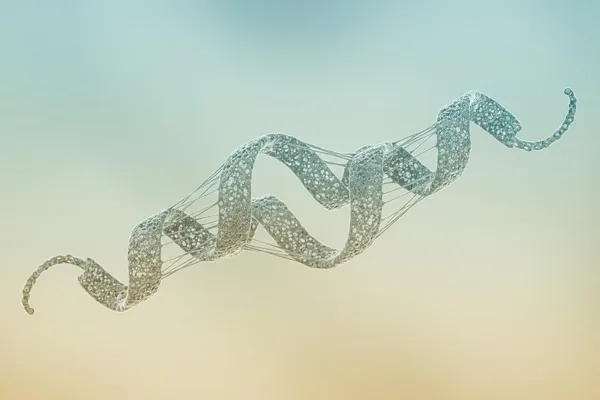
There is still some disagreement among scientists about the structure of elastin. Some say that when elastin is relaxed, that is, when it is not stretched, it looks like a random network of polypeptide chains. Others say that these chains are chaotic, but not random. However, this chaotic structure is reduced when stretched, because at that time the chains are arranged in a straight line, while maintaining strength and flexibility.
Elastin fibers are usually yellow in color.
Elastin is made up of amino acids. Proteins are made up of amino acids. The main amino acids in elastin are proline, glycine, desmosine, and isodesmosine . These are short, repeating sequences of three to nine amino acids that form strong, flexible structures.
Elastic fibers make up between 2% and 4% of the dry weight of the dermis of adult skin, after removing oil and moisture.
What diseases affect elastin?
Unfortunately, there are some diseases that affect elastin. Let's take a look at what they are:
- Atherosclerosis: This is when fatty deposits (called plaque) build up inside our arteries, narrowing them. This can lead to blood clots, heart attacks, and strokes. Many studies on atherosclerosis have shown that the amount of natural elastin in the arteries decreases.
- Cutis laxa: This is a condition in which the skin loses its elasticity. This can cause the skin to become very loose and wrinkled. It is also very difficult to stretch and return to its original position. This is often caused by a mutation in the elastin gene.
- Emphysema: This is a disease of the lungs. It usually develops in people who have smoked for many years. In this, the elastin in the lungs breaks down. Symptoms include difficulty breathing, coughing, chest tightness, fatigue, and long-term phlegm production.
- Supravalvular aortic stenosis (SVAS): This is a congenital heart disease. It is caused by a narrowing of the aorta. A mutation in the elastin gene is the cause of SVAS.
- Williams syndrome: This is a very rare developmental disorder. It is caused by a deficiency (i.e., a missing part of the gene) of the elastin gene and an enzyme called LIM kinase. People with Williams syndrome also often have SVAS.
What are the treatments for elastin-related problems?
There are several treatments that can help increase the production of elastin and collagen in the skin. However, these are often used for skin problems.
- Venus Viva™: This is a skin resurfacing treatment. It involves using very small, heated needles to create tiny punctures in the dermis of the skin. As the skin heals, new collagen and elastin are produced.
- Retinoids (vitamin A derivatives): Retinoids, such as Retin-A®, speed up the skin's metabolism and increase the production of collagen and elastin.
Important: It is essential to consult a qualified physician before starting any of these treatments. Not all treatments work for everyone.
Simple ways to keep our elastin healthy!
Elastin, along with collagen, helps keep our skin firm and supple. So, here are some simple things that can help maintain, and perhaps even slightly increase, the amount of elastin in our skin:
- Wear sunscreen: Wear sunscreen every day, year-round. It doesn't matter if you're indoors most of the time or on a cloudy day. Choose a broad-spectrum sunscreen with an SPF (Sun Protection Factor) of at least 30. The sun's harmful rays damage the elastin in our skin.
- Eat a nutritious diet: There are certain foods that help increase the elastin and collagen in our skin. For example, green vegetables and legumes, citrus fruits (like oranges, lemons), berries (strawberries, blueberries), oily fish (like salmon, mackerel), and nuts (like almonds, walnuts).
- Establish good skin care habits: Keep your skin clean and moisturized. Creams and moisturizers that contain ferulic acid, vitamins A, C, and E can help reduce wrinkles and repair damaged skin cells. Products that contain hydrolyzed elastin can also help keep your skin looking youthful. However, the elastin in these products often comes from animal products. So if you are a vegetarian, you may not want to use these.
- Exercise: When we exercise, our skin cells' metabolism speeds up and blood circulation improves. This helps keep our skin healthy.
- Avoid smoking: Nicotine and other chemicals in cigarettes and electronic cigarettes age the skin faster. These directly damage elastin.
Can supplements increase elastin?
Some people claim that herbal supplements like aloe vera, green tea, and ginseng, as well as elastin supplements, can increase the amount of elastin in the skin. However, there is not enough research on this yet to draw firm conclusions.
Not everyone can take herbal supplements, so it's always best to consult your doctor before using anything like this.
Finally, things to remember
Elastin is a very important protein that our bodies produce naturally, giving our skin and many other organs strength and flexibility. There is not enough evidence yet to say for sure that herbal supplements increase elastin levels in the skin.
However, you can help your body produce elastin naturally. This includes eating a well-balanced diet (such as green vegetables, citrus fruits, fish, berries, and nuts), exercising, following proper skin care habits, avoiding smoking, and wearing sunscreen every day. These things will go a long way in keeping your elastin healthy. If you have any concerns, don't forget to seek medical advice before starting anything new.
` Elastin, skin health, protein, collagen, elasticity, skin wrinkles, healthy lifestyle




💬 Comments (0)
No comments yet. Be the first to share your thoughts here.
Add Your Comment