
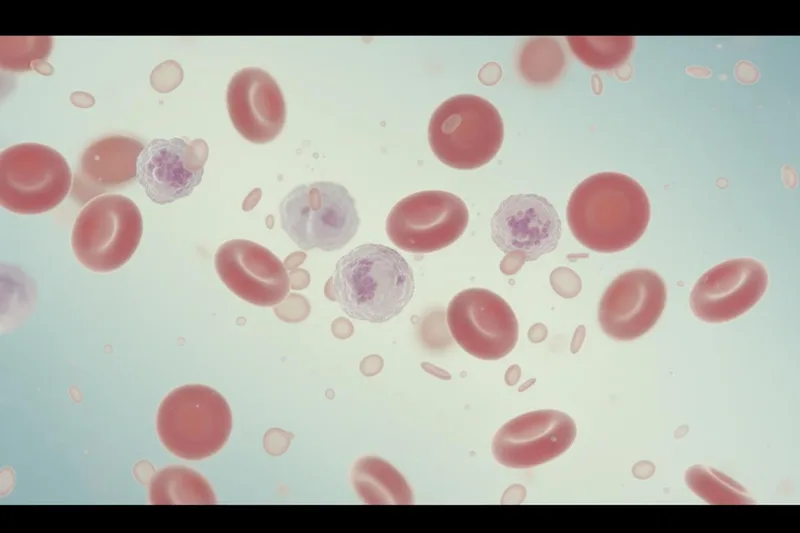
Have you ever wondered what your blood is actually made of? We've all heard about red blood cells, white blood cells, and platelets. But did you know that a little more than half of our blood is liquid? That liquid part is called plasma . This is what carries all those other cells around the body. It's like a boat can't sail without water.
So, what is this plasma?
Simply put, plasma is the liquid part of our blood. Imagine that our blood is like a soup made up of different things, and plasma is the liquid part of that soup. This makes up about 55% of our total blood volume. The other blood cells – that is, red blood cells, white blood cells, and platelets – are mixed in this plasma. Plasma is what carries all these cells to every corner of the body.
Now look at what this plasma contains. You'll be surprised!
- Water is the most abundant substance - about 92%.
- Next are proteins - about 7%. Among these are very important proteins such as antibodies, coagulation factors, albumin, and fibrinogen.
- The other 1% is hormones, vitamins, salts, enzymes, and many other important compounds.
Can you imagine how much stuff is inside this tiny drop of liquid?
What service does plasma provide to our bodies? Why is it so important?
Plasma is not just a little bit of water. It does a lot of good for our bodies. Plasma is essential for us to live. Take a look at what it does:
- Red blood cells are transported to the lungs: That's where the red cells can take in oxygen and expel carbon dioxide. Like a taxi.
- Maintains blood pressure: This is what keeps the blood vessels open and blood circulation going properly. If the pressure drops, it's a big problem.
- Water, hormones, nutrients, electrolytes, and proteins are distributed to where they are needed: every part of the body cannot do without these things.
- Helps regulate body temperature: It's because of things like this that we always stay at the same temperature.
- It carries immune cells: Like a police patrol. If there is an infection or a germ somewhere, it is the plasma that carries these cells to fight it.
- Provides proteins needed for inflammation, blood clotting, and wound healing: If you get a cut or injury, these proteins help stop the bleeding and heal the wound.
- Unwanted waste is carried to the liver or kidneys: that's where these waste products are removed from the body, like a garbage truck.
Think about it, plasma is like a river. Everything that is carried in it is like boats. Now, if the water level in this river decreases, that is, if the amount of plasma decreases, those boats – that is, important things – will not be able to go to the places they need to go. That's when the problems begin.
How is plasma formed? Where does this plasma come from?
Plasma doesn't come from a single source. It's made from the water we drink, the food we eat, and electrolytes we absorb through our digestive system. However, some important proteins that make up plasma come from specific organs. For example:
- Your bone marrow
- Old, dying blood cells
- Liver
- Spleen
Plasma is formed when these proteins combine with the fluid containing electrolytes.
What color is plasma? How does it look?
When we separate the plasma from the red blood cells, white blood cells, and platelets, it appears as a pale yellow, straw-colored liquid .
However, if you have a medical condition, it can change the composition of your plasma and cause it to change color. For example:
- If your red blood cells break down (this is called hemolysis) , the plasma may turn pink.
- If your bilirubin levels are elevated due to liver disease, causing a condition called jaundice , the plasma may turn a greenish-brown color.
What percentage of our blood is plasma?
On average, about 55% of our blood is plasma. However, this amount can vary slightly depending on your gender or any medical conditions you may have.
How is plasma separated from blood?
There is a special device that can separate the components of blood, including plasma. It is called a centrifuge . This machine spins a test tube filled with blood very quickly. Then, the heavier red blood cells sink to the bottom of the test tube. Platelets and white blood cells settle on top of them as a white layer. Above that white layer is the plasma.
What are the main proteins contained in plasma?
Plasma contains several very important proteins. Let's take a look at what they are:
Albumin
This protein helps maintain a balance between the amount of fluid inside our cells and the amount of fluid outside the cells, called plasma. This is why plasma doesn't just leak out of the blood vessels and into other tissues. It acts like a sponge, absorbing water.
Fibrinogen
This is a very important protein. When we get a cut anywhere in our body, we need blood to clot to stop the bleeding. This fibrinogen helps the blood clot and then the wound heals and forms a normal tissue or scar.
Globulins
This group of proteins is also very important. These globulins help fight infections, move things around in the blood, and help blood clot. This is where the antibodies we all know are found.
Other immune and transport proteins
In addition to this, there are many other proteins. They help protect our bodies, repair damage, and transport nutrients or other important compounds to different parts of the body.
Are plasma donors tested for infectious diseases?
Yes, absolutely! When someone donates plasma, that plasma is tested for various diseases before it is given to others. For example:
- Hepatitis (all types)
- HIV
- Syphilis
Tests like these are what make plasma transfusions safe.
What diseases or conditions affect plasma?
Unfortunately, there are a number of diseases and health conditions that can affect our plasma. Here are some examples:
- Diseases caused by defects in the function of proteins, for example amyloidosis .
- Blood diseases, for example hemophilia , von Willebrand disease , or deficiencies of blood clotting factors.
- Immunodeficiency is caused by the lack of sufficient immune proteins in the blood.
- Diseases like myeloma . This affects the bone marrow and disrupts blood formation.
What are the symptoms of a plasma-related problem?
If there is a problem with your plasma, there may be some symptoms that indicate it. Be aware of things like:
- Pain in the bones.
- Bruising or bleeding easily. Be concerned if you turn blue with even the slightest touch, or if your gums bleed when you brush your teeth.
- Fast heartbeat or irregular heartbeat (arrhythmias).
- Frequent illness due to a weak immune system.
If you have symptoms like these, it is best to seek medical advice.
What tests are done to check the health of my plasma?
Several blood tests can be done to check your plasma for signs of a medical condition. Some of these include:
- Blood volume test
- Bone marrow biopsy
- Complete blood count (FBC/CBC)
- Hematocrit test
A doctor will decide which of these tests you need.
What are the common treatments for plasma-related diseases?
Treatment for plasma-related diseases depends largely on the type of disease. Here are some examples of treatment options:
- Antibiotics for infections.
- Blood transfusions for anemia or other problems.
- Chemotherapy and stem cell transplants for cancer.
- Convalescent plasma (this was also used during Covid, you may remember) to provide extra antibodies to fight an infection.
- Electrolyte solution infusions (like giving saline) for dehydration or other conditions.
- Plasma infusion is used to replace lost plasma, increase blood pressure, and prevent shock.
- Plasmapheresis or plasma exchange is the process of removing something from the plasma or replacing the plasma completely.
- Platelet-rich plasma (PRP) injections are used for certain injuries or diseases.
- Steroids for inflammatory conditions.
How do I donate plasma?
There are two ways to donate plasma:
1. Donating whole blood: A healthcare worker inserts a needle into a vein in your arm and draws blood. The plasma is then separated as needed in a laboratory.
2. Donating plasma only: This is similar to donating whole blood. After a screening process, a healthcare provider will take a single needle into a vein in your arm. The plasma is then separated in a centrifuge, and the remaining blood cells and platelets are returned to you through the same needle.
After the plasma is collected from your body, the donated plasma is frozen within 24 hours. This preserves the coagulation factors and immunoglobulins. Frozen plasma can be stored for about a year.
Plasma from people with AB blood type is the most suitable. The reason for this is that plasma does not contain antibodies. This means that plasma can be given to someone with any blood type. However, anyone can donate plasma and help others.
What happens to donated plasma?
Donated plasma has many benefits. Here are a few examples:
- Plasma is transfused to someone who needs more plasma due to burns, shock, accidents, or other medical emergencies.
- It is used for scientific research to produce medicines.
- Blood clotting proteins are used to control bleeding.
- Immune proteins can help with things like cancer treatment, chickenpox, measles, mumps, immunodeficiency, kidney disease, hepatitis B, brain diseases, and bone marrow transplants.
Finally, things to remember
Plasma is mostly water, but it is an essential component of our bodies. It is what allows our blood to flow as a liquid and carries everything our cells need to survive. And, you can donate it to benefit others.
Plasma-related problems can be detected through routine blood tests as part of an annual health checkup. Often, these tests can detect problems before you even have symptoms.
If you have questions about how your plasma affects your health, talk to your doctor. He or she can tell you more and help you make health decisions that may affect your plasma. Stay healthy!
` Plasma, blood, blood, health, disease, protein, donation


💬 Comments (0)
No comments yet. Be the first to share your thoughts here.
Add Your Comment