
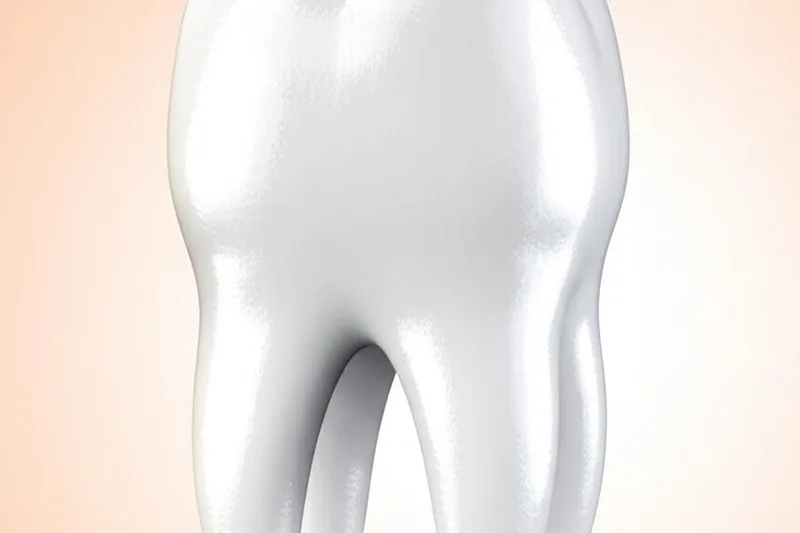
Have you ever wondered how strong our teeth are, but how sensitive they can be? There are times when you feel like your teeth are going numb after drinking a cold drink or eating something sweet. One reason for that is the weakening of the enamel on our teeth. So, today we will talk about this amazing protective coating around our teeth, that is, tooth enamel.
So what is this enamel?
Simply put, enamel is the hard, white coating on the top of your teeth, like a protective coat. The part of the tooth that you see when you look in the mirror, the part above the gum (the tooth crown), is covered with this enamel. The amazing thing is, this enamel is the strongest substance in our body! Yes, stronger than your bones. Imagine how hard it is! But no matter how strong it is, over time it can wear away and become damaged. Things like acids from the things we eat and drink, bacteria in our mouths, and plaque that builds up on our teeth can affect it.
What is the main function of enamel?
So, what does this strong enamel do to our teeth? It protects the sensitive parts inside our teeth, the dentin and the pulp . Like a guard guarding something valuable. Enamel protects our teeth from:
- Tooth decay (`Cavities`): Or we say that teeth are being eaten by worms, that's what it is.
- Tooth erosion: This occurs due to constant use and chewing.
- Infection: Infection occurs when germs enter the tooth.
- Teeth sensitivity: Discomfort in one tooth when eating hot, cold, or sweet foods.
What is enamel made of?
Now look at how this amazing enamel is made. It is mostly made up of minerals called Calcium and Phosphorus . To be precise, 95% of it. These minerals combine to form what are called very strong little crystals (crystallites). The remaining 5% is made up of water (4%) and proteins (1%). In other words, this is a very special compound.
How does the enamel look?
Enamel is actually semi-translucent . That is, it is neither completely transparent nor completely opaque. So, how do our teeth get their color? That's where the dentin layer underneath the enamel comes in. The color of this dentin can vary from grayish white to light yellow. So, it is the combination of both enamel and dentin that gives your teeth their unique color.
Why does the enamel on our teeth wear away?
Okay, we said that even though enamel is strong, it can also wear away. So, what are the main reasons for this?
- Environmental factors: Friction from frequent use of teeth, sometimes caused by mental stress, and daily wear and tear.
- Teeth grinding or clenching (`Bruxism`): Some people grind their teeth in their sleep, or even clench their teeth during the day without realizing it. This can cause serious damage to the enamel. Think of it like if you accidentally rub a stone on top of another stone, both will wear away.
- Sugary drinks: Drinking soda, fruit drinks (especially packaged ones, as they are high in both sugar and acidity), and other sugary drinks frequently. The acids in these foods can erode enamel.
- Sugary or starchy foods: Eating things like chocolate, biscuits, and cakes frequently. These combine with bacteria in the mouth to produce acids. Those acids are what eat away at the enamel.
- Sour foods: It is not good to eat too much of certain sour-tasting candies, vinegar, lemons, and oranges frequently.
- Certain medications: Some medications can affect enamel as a side effect. If you are taking any medication for a long time, tell your dentist.
- Dry mouth (Xerostomia): When saliva production in the mouth decreases, the natural process that protects the enamel is weakened. Saliva is what neutralizes the acids in the mouth and removes food particles.
- GERD (chronic acid reflux) or similar gastrointestinal problems: Harsh acids from the stomach can travel up the throat and into the mouth, damaging the enamel of the teeth, especially the back teeth.
- Bulimia Nervosa: This is an eating disorder. The self-induced vomiting causes the stomach acids to come into contact with the teeth, which can severely wear away the enamel. This is a mental health issue and it is essential to seek medical advice.
- Genetics: Some people are born with thin enamel. It runs in the family. Such people need to be a little more careful than others.
Think about it this way: If you wash a surface with something acidic every day, will that surface wear away after a while? That's what happens to our enamel from sugary and acidic foods and drinks.
What happens when the enamel is completely gone?
When the enamel wears away, the sensitive parts inside the tooth are exposed. It's as if the protective coating has been removed. What happens then?
- There is a greater chance of tooth decay (`Cavities`): Because there is less protection, bacteria can easily enter the tooth.
- Increased tooth numbness: You may experience unbearable numbness when eating or drinking hot, cold, or sweet foods. Sometimes, even just blowing air can cause your teeth to go numb.
- Teeth are prone to staining: Since there is no enamel, teeth are easily discolored by things like tea and coffee.
Dentists can repair small cavities. However, if left untreated , even a small cavity can grow larger and eventually become infected at the root of the tooth, causing severe pain and abscesses. So this is not something to take lightly.
Does tooth enamel regrow?
This is a question that many people ask. Unfortunately, once your enamel has completely worn away, it will not grow back naturally. It is just like you cannot put broken glass back together. But, don't worry. However, your dentist can protect the tooth from further damage by placing a covering, called a dental crown, on the tooth. This will allow the tooth to be used again.
So is there a way to repair worn enamel?
Although it is not possible to restore completely lost enamel, there are ways to strengthen and restore damaged, weakened tooth enamel to some extent. The main thing that helps with this is the mineral called fluoride . Fluoride remineralizes the outer layers of tooth enamel and strengthens it.
Let's talk a little about fluoride treatment.
Fluoride is a mineral found naturally in many foods and water. It can be taken as a pill, or a dentist can apply it directly to your teeth (topical application). Dentists use fluoride to naturally restore tooth enamel and protect it from cavities and other damage. In other words, it acts like a nutrient for the enamel. This treatment is very effective in the early stages of tooth decay.
How can we protect our tooth enamel? Prevention is the best!
Now you understand how valuable enamel is. So, protecting it is the most important thing. The saying 'Prevention is better than cure' applies here too. Here are some things you can do to keep your enamel strong and healthy:
- Brush your teeth at least twice a day: in the morning and before going to bed at night. This removes plaque, tartar, and bacteria from the surface of your teeth and reduces the risk of enamel erosion. If you don't know how to brush your teeth properly, ask your dentist. It's nothing to be ashamed of.
- Floss once a day: Flossing is very important to remove food particles, dental plaque, and bacteria that get stuck between your teeth. It cleans areas that your toothbrush can't reach.
- Use a toothpaste that contains fluoride: There are many different types of toothpaste on the market. Choose one that contains fluoride. This helps strengthen and remineralize your enamel every day. When choosing a toothpaste, look for the ADA (American Dental Association) Seal of Acceptance. This means that the product has been tested and approved by dental experts to be safe and effective.
- Use a soft-bristled toothbrush: Avoid using medium and hard bristles. They are too harsh and can actually wear away enamel. Don't brush too hard when brushing your teeth, brush gently for about two minutes. Even with a soft toothbrush, brushing too hard can damage enamel.
- Drink acidic drinks through a straw: Drinking soda and sugary drinks through a straw can help reduce the risk of tooth decay. Even better, try to limit your intake of such drinks as much as possible.
- Stay hydrated: Drinking water throughout the day helps wash away food particles, plaque, and bacteria. This can also reduce the risk of enamel erosion for those with dry mouth (xerostomia).
- Treat underlying medical conditions: If you have conditions like dry mouth (`Xerostomia`), `(GERD)`, `(Bulimia Nervosa)`, it is very important to get them properly treated.
- If you grind your teeth in your sleep, wear a mouth guard: these are available over-the-counter (OTC) at pharmacies and supermarkets. Or, a dentist can make you a special mouth guard that fits your teeth exactly.
- Chew sugar-free gum: Chewing sugar-free gum for a few minutes after eating increases saliva production in the mouth, neutralizing acids and helping to keep enamel healthy.
- Ask your dentist about dental sealants: Dental sealants are thin, plastic-like coatings that are applied to the chewing surfaces of your teeth, especially the deep grooves in the back teeth. They are like little raincoats for your teeth. They protect your teeth from plaque, tartar, and harmful bacteria, and are especially helpful for children.
- See a dentist regularly: Visit a dentist for a check-up at least twice a year (every 6 months) to keep your teeth and gums healthy, and to have your teeth cleaned and flossed at regular intervals .
Does teeth whitening damage enamel?
Many people want to keep their teeth beautiful and white. So, some people have a question about whether this teeth whitening (`Teeth Whitening`) will damage the enamel. Actually, if used properly, according to medical advice, teeth whitening (`Teeth Whitening`) will not damage the enamel. However, some whitening products can dehydrate the teeth a little. This means that the moisture in the teeth can be reduced, which can temporarily make the teeth sensitive. If you are interested in teeth whitening (`Teeth Whitening`), the best thing is to talk to a dentist and get advice on safe products and methods. Then you can get a beautiful smile without any problems. Some of the things you buy in the store can cause problems if not used correctly.
So, what is the most important thing to remember from what we have talked about? (Take-Home Message)
So, we've talked a lot about tooth enamel today, haven't we? To sum it all up, here are the main things you need to remember:
Enamel is the strongest substance in our body, but it is not indestructible . It is the most valuable layer that protects our teeth from cavities, wear, and sensitivity.
- Maintain good oral hygiene. Brush your teeth twice a day, floss, and use a fluoride toothpaste.
- Limit sugary and acidic foods and drinks. If you do eat them, rinse your mouth thoroughly with water afterward.
- Get underlying medical conditions (e.g., GERD, Xerostomia, Bruxism) treated appropriately.
- See a dentist at regular intervals . That way, if there is a problem, it can be identified and treated early, and you can also get professional advice to protect your enamel.
- Your dentist can recommend fluoride products to strengthen your enamel and teach you other ways to protect your enamel at home.
Remember, a beautiful, healthy smile is not something that just happens. It requires a little effort and dedication. If you do, your tooth enamel will protect you for a long time! So, start practicing these things today to take care of your smile, okay?
` Tooth enamel, dental health, tooth decay, fluoride, how to brush your teeth, oral health, dental protection


💬 Comments (0)
No comments yet. Be the first to share your thoughts here.
Add Your Comment