

How are you? Today we are going to talk about a skin disease that is important to many people, but sometimes they are not fully understood. That is psoriasis . Anyone can develop this. However, the pictures and videos we see often show how psoriasis looks on people with light skin. So, for someone with dark skin, for example, some of our friends, the way it looks when it develops may be a little different. Although symptoms such as itching are common to everyone, the way the skin looks is different from person to person.
How does the appearance of psoriasis vary depending on skin color?
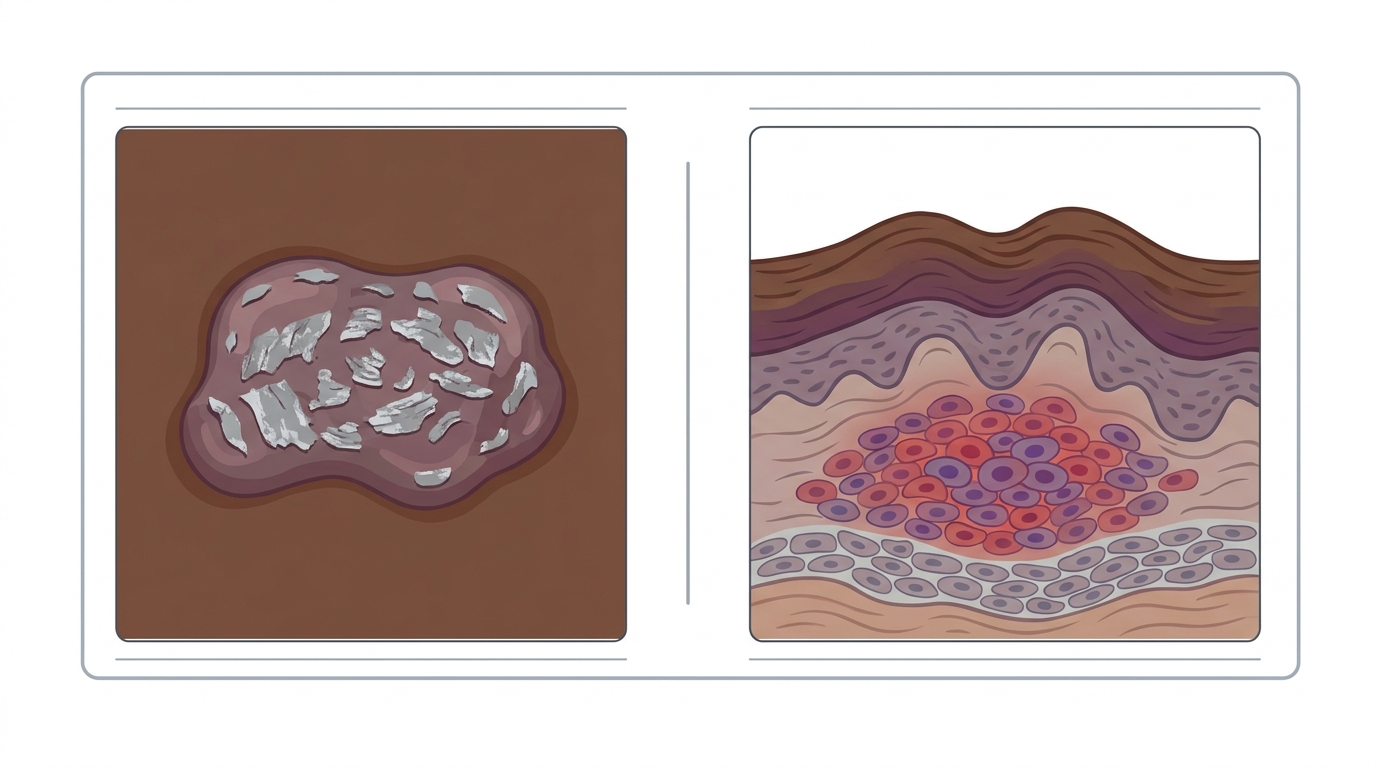
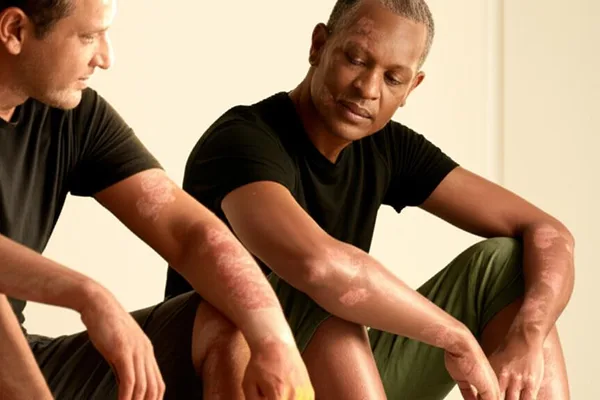
Psoriasis plaques are usually described as "pinkish-red." However, this description is more accurate for people with fair skin. If you have darker skin, your psoriasis plaques may appear light brown to dark brown, purple, or even gray. Sometimes, this color change may not be as obvious on darker skin. The appearance will vary depending on the type of psoriasis you have and where it is located on your body. But keep in mind that if you have darker skin, pinkish-red plaques are less likely to be seen with psoriasis.
Will there be any skin discoloration after the spots heal?
Yes, people with darker skin may still have discoloration after a psoriasis patch has healed. This discoloration may last longer than someone with lighter skin. It may even last for up to a year. But don't worry, this discoloration is not permanent. Your doctor can give you treatments that can help the patches heal faster.
How do different types of psoriasis look on dark skin?
There are different types of psoriasis. They can occur in different parts of the body, and each type has its own characteristics. In addition to the change in skin color, these characteristics are also important. Let's see what they are?
- Plaque psoriasis: This is characterized by the formation of thick patches of skin. On darker skin tones, these can appear purple to gray, and may have a scaly surface.
- Inverse psoriasis: This causes moist, smooth, shiny patches to form in areas where the skin folds, such as the armpits and groin.
- Guttate psoriasis : This is characterized by small, pin-shaped blisters (papules) that appear all over the body. These may have a silvery crust on top.
- Erythrodermic psoriasis:This is a bit of a severe type. It causes a large area of the body to become red and scaly, and looks like it's been burned.
- Nail psoriasis : This causes small pits to form on the fingernails or toenails. You may also see a brown spot (also called an ``oil spot'') on the nail. The nail may become thin and may even fall off.
Think about it, although we usually think of a psoriasis patch as "red," when it looks purple, gray, or brown on darker skin, it can be a little harder to recognize it as psoriasis, right? That's why this awareness is important.
How does plaque psoriasis look on dark skin?
As we mentioned earlier, plaque psoriasis patches don't appear red on darker skin. You'll often see one of these colors:
- Gray color
- Purple
- Brown (light or dark)
Also, the scales and skin flakes caused by plaque psoriasis usually appear silvery on darker skin.
Does scalp psoriasis affect hair?
Yes, when you have scalp psoriasis, which means plaques on your scalp and hairline, you may experience temporary hair loss. But don't worry, this is temporary. Once your psoriasis symptoms improve, the hair that has fallen out will grow back.
Does psoriasis only cause skin symptoms?
No, that's not true. When someone with dark skin develops psoriasis, it's not just limited to skin symptoms . It can also affect your mental health. Just think, how much stress and frustration can you feel with these skin changes? Sometimes, it's even more frustrating when you can't get a quick diagnosis and good treatment. Because sometimes these symptoms are similar to other skin diseases, it can take a while to recognize the disease. Also, since these changes are more visible on darker skin than on lighter skin, it can also affect your self-esteem .
If you are feeling emotionally distressed due to these physical symptoms, talking to a mental health professional can be a great relief.
Can people with dark skin be misdiagnosed with psoriasis?
Yes, it can happen. But it's not that common. The main reason for misdiagnosis is the lack of information about dark skin conditions in medical textbooks and educational materials for doctors.
Some conditions that have similar symptoms to psoriasis and are therefore likely to be misdiagnosed include:
Sometimes, more than one skin condition, such as eczema and psoriasis, can coexist. If you think your psoriasis has been misdiagnosed, it's best to see a dermatologist.
How do you treat psoriasis on dark skin?
There are several treatment options for psoriasis. Because everyone's skin responds differently to treatments, what works best for you may not work as well for someone else. Some of the most common treatments for psoriasis include:
- Topical creams or ointments
- Medicated lotions or shampoos
- Steroid creams
- Oral medications or immune therapies
- Light therapy
Do people with darker skin need more intensive treatment?
There really is no one-size-fits-all treatment for psoriasis. Some studies have found that people with darker skin tend to have longer psoriasis flare-ups than people with lighter skin, so long-term treatment may be more effective. Depending on the thickness of your psoriasis, you may need a slightly stronger dose of medication to clear it up. But it's not just for people with darker skin.
How to control psoriasis triggers?
Psoriasis symptoms can suddenly flare up if your immune system is overactive due to certain things in your environment. These are called "triggers." There are a few things you can do to control these:
- Reduce your stress. Things like meditation and exercise can help.
- Protect yourself from injuries. If you get a wound, clean it quickly to prevent infection.
- Control your body temperature. Stay indoors during very hot or very cold weather. Temperature changes can affect your skin.
- Be aware of the side effects of the medications you take regularly. Some medications can worsen psoriasis symptoms. If you notice any of these, talk to your doctor. Do not stop taking any medications until your doctor tells you to.
When should you see a dermatologist for psoriasis?
If your psoriasis is severe and not improving with standard treatments, be sure to see a dermatologist. Also, if your psoriasis has spread to a large area of your body, seek medical advice immediately.
Remember, psoriasis is a common condition that can affect people of all races and skin tones. A quick search online can leave you wondering, "Is my psoriasis really that bad?" because there's not much information to compare it to your own symptoms. That can be disconcerting. While psoriasis is a skin condition, it can also affect your mental health. It's common to have to see a dermatologist multiple times to find the right treatment for you. This will help you feel better.
Finally, what are the most important things to remember?
Simply put, the main things you need to remember from what we've talked about are these:
- Psoriasis doesn't look the same on everyone's skin. Especially on darker skin tones, you may see purple, gray, or brown patches instead of red.
- After the spots heal, dark skin may have some lingering marks , but they are not permanent.
- Psoriasis can cause stress, depression, and anxiety. Seek mental health support if needed.
- Sometimes misdiagnoses can occur , so if in doubt, see a dermatologist.
- There are many treatment options. Talk to your doctor to find the one that works best for you.
- Identify triggers that aggravate the disease and try to avoid them .
So, I hope this information is useful to you. May you and your loved ones stay healthy!
` Psoriasis, skin diseases, dark skin, skin diseases, Psoriasis, skin spots, skin itching
Doctor's Note
Psoriasis is a chronic disease in which skin cells grow too fast due to a problem with the immune system. Psoriasis symptoms in dark-skinned people are different from those in fair-skinned people. Corals appear red on white skin, purplish, gray scales or dark brown on darker skin. Because of this, the diagnosis of the disease may be delayed or misdiagnosed, so it is essential to get checked by a qualified dermatologist.
❓ Some more questions you may encounter (FAQ)
Where does psoriasis mainly affect dark skin?▼
Scalp, elbows, knees and facial skin are common. Sometimes nails (Nail psoriasis) can also be affected.
Does skin color change after psoriasis is cured?▼
yes People with darker skin may experience temporary hyperpigmentation or hypopigmentation after psoriasis has healed.
What are the main treatments for psoriasis?▼
Steroid creams, phototherapy and immunosuppressive drugs (Systemic/Biologic treatments) are used.




💬 Comments (0)
No comments yet. Be the first to share your thoughts here.
Add Your Comment