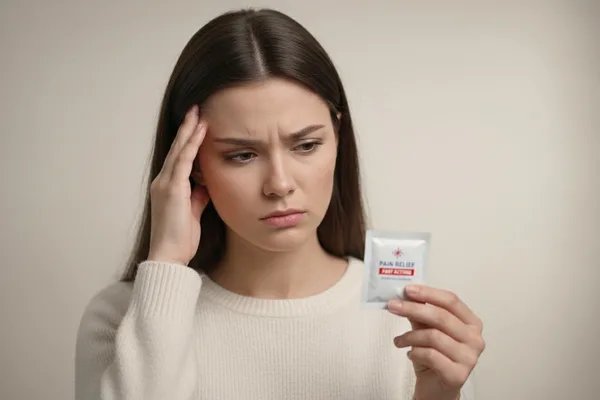
Let's learn about painkillers (Acetaminophen & Aspirin)! Be sure to keep these things in mind when using them!

Let's learn about painkillers (Acetaminophen & Aspirin)! Be sure to keep these things in mind when using them!

When we have aches and pains, headaches, or a slight fever, we quickly reach for a painkiller. Powders like these, which are easy to mix with water, are very popular. Many people keep them around because they are easy to use and provide quick relief. But there are a few things we don't know about these medications, but we definitely need to know. Today, we'll talk about these powders that contain both acetaminophen and aspirin , the painkillers .

Simply put, what is this medicine?

This is actually a combination of two types of painkillers.

1. Acetaminophen: This is what we all know as Paracetamol . It mainly helps reduce fever and relieve pain .

2. Aspirin: This also reduces pain and fever, and also helps reduce inflammation in the body.

Simply put, this medicine is used to reduce mild to moderate pain in the body, pain and swelling caused by conditions such as arthritis , and fever .

Things you need to tell your doctor before taking this medicine

Before you use this medicine, it is very important to give your doctor a complete description of your health condition. Because this medicine is not compatible with some medical conditions. If you have any of the following, be sure to tell your doctor about it.

Health condition or habit Why do you need to tell the doctor? (Simply)
Bleeding disorders Aspirin can reduce blood clotting, which can increase the risk of bleeding.
If you drink alcohol regularly When alcohol and this medication are combined, the risk of liver damage and stomach bleeding is very high.
Kidney disease This medication may affect kidney function.
Liver disease Taking too much acetaminophen (paracetamol) can cause liver damage. The risk is higher if you already have liver problems.
Breathing difficulties (such as asthma, COPD) Some asthmatics may be allergic to aspirin, which may increase breathing difficulty.
Stomach ulcers or bleeding Aspirin can cause stomach ulcers or increase the risk of bleeding from existing ulcers.
Allergies to medicines and foods It is imperative to inform us if you have an allergy to acetaminophen, aspirin, or other painkillers.
If you are pregnant or trying to get pregnant Taking this medicine during pregnancy can be dangerous. Let's talk about that in more detail.
If a mother is breastfeeding her child You should always ask your doctor about medications, as they can pass to your baby through breast milk.

How exactly do you use this?

The way to use this is very simple.

  • Open the medicine powder packet and place the powder directly on your tongue .
  • Let it melt on your tongue.
  • Then drink some water.
  • Follow the directions on the medicine label exactly. Never take more than the prescribed dose.
  • If you experience stomach upset, take it with or after a meal.

When given to children and the elderly...

Although this medicine can be given to children over the age of 12 in some special cases, you should definitely talk to your doctor about it. People over the age of 65 may feel the effects of this medicine a little stronger, so they may need a lower dose.

What to do if you take too much medicine? (Overdose)

If you think you've taken too much of this medicine, even if you don't have any symptoms, don't ignore it.

Go to the nearest hospital Emergency Department (ETU) immediately. Or call the National Poisons Information Centre at the Colombo National Hospital for advice. Taking too much acetaminophen (paracetamol) can cause serious liver damage.

Also, this medicine is for you only. Do not share your medicine with others.

Other medications that may interact with this medicine (Interactions)

Some medications can cause serious reactions when taken with acetaminophen/aspirin. Therefore, it is very important to tell your doctor about all medications you are taking (including vitamins and herbal remedies).

Do not take this medicine with anything.
Abrocitinib Probenecid
Cidofovir Ketorolac
Defibrotide
Be especially careful if you take these with you.
Alcohol Other aspirin-containing medications
Some medications for diabetes Other NSAIDs (e.g., ibuprofen, naproxen)
Blood thinners (e.g. Warfarin, Apixaban) Steroid medications (e.g. Prednisone, Cortisone)
Diuretics St. John's wort (herbal supplement)

Things to be careful about when using this medicine

Although this medicine is good for general pain, there are a few things we need to be aware of when using it.

1. Avoid taking too much paracetamol (Acetaminophen)

This is the most important thing. This medicine already contains acetaminophen (paracetamol). Other medicines you take for fever and colds may also contain paracetamol. Always read the medicine label. Taking too much paracetamol without realizing it can be very dangerous for the liver. If you have any doubts, ask your doctor.

2. Do not take with other painkillers (NSAIDs)

This medicine already contains aspirin. Therefore, you should not take other painkillers such as aspirin, ibuprofen, or naproxen at the same time without the advice of a doctor. If you do, there is a high risk of side effects such as stomach upset, nausea, and stomach ulcers.

3. Risk of stomach ulcers and bleeding

Aspirin can cause serious stomach ulcers and bleeding without warning . Smoking, alcohol consumption, aging, and poor health increase this risk.

If you experience stomach pain, vomit that looks like coffee grounds, black stools, or blood in your stool, see a doctor immediately.

4. Serious Skin Reactions

Rarely, severe skin reactions may occur, even weeks after you start using this medicine. Be aware of a rash that appears along with a fever or chills. These rashes may turn red or purple, then blister and the skin may start to peel. Also, seek medical advice immediately if you notice swelling of the face, lips, or a rash on the neck or armpits.

5. Be especially careful during pregnancy

If you are pregnant, be sure to talk to your doctor about this medication.

  • Taking this medicine after 20 weeks of pregnancy can cause serious birth defects in the baby.
  • It is not recommended to take this medicine after 30 weeks .

Side effects that may occur due to medication

Like any medicine, this one can have side effects. Some are serious, some are common.

If you experience these symptoms, see a doctor immediately.
Allergic reactions Skin rash, itching, swelling of the face, lips, tongue or throat.
Bleeding Bloody or tarry stools, vomit that looks like coffee grounds, urine that is red or dark brown, small red or purple spots on the skin, and unexplained bruising.
Liver injury Pain in the upper right side of the stomach, loss of appetite, nausea, yellowing of the eyes or skin, dark yellow/brown urine, unusual tiredness.
Kidney injury Decreased urine output, swelling of the ankles, hands, or feet.
Hearing problems Hearing loss, ringing in the ears.
Severe skin reactions Skin redness, blistering, peeling (even inside the mouth).
These are usually not serious, but if they persist, tell your doctor.
Headache Upset stomach
Appetite Nausea
Insomnia

How should I store the medicine? What do I do if there is any left over?

Keep this medicine out of the reach of children and pets . It is best to store it at room temperature (between 20-25 degrees Celsius). Do not use expired medicine.

When getting rid of expired or no longer needed medications, don't just throw them in the trash.

  • Take the medicine out of the packet.
  • Mix them well with something like used coffee grounds, soil, or cat litter.
  • Place this mixture in a sealable bag or container and throw it in the trash. This is done so that neither a small child nor an animal can put it in their mouths.

Take-Home Message

  • Before taking this medicine, tell your doctor about all your medical conditions and all medications you are taking.
  • Never take more than the recommended dose on the label. Unknowingly taking too much paracetamol is very dangerous for the liver.
  • Do not take other painkillers (especially those containing aspirin or ibuprofen) with this medicine without the advice of a doctor.
  • Watch for symptoms such as stomach pain, black stools, and vomit that looks like coffee grounds. These may be signs of bleeding in the stomach.
  • If you are pregnant or trying to get pregnant, think twice about taking this medication. Be sure to talk to your doctor.
  • If you have the slightest suspicion that you have drunk too much, go to a hospital's Emergency Treatment Unit (ETU) immediately, even if you are not experiencing symptoms.

Acetaminophen, Aspirin, Painkiller, Fever, Headache, Paracetamol, Side Effects

⚠️ Important: The medical articles and information on Nirogi Lanka are for general awareness only, and are by no means a substitute for professional medical advice, diagnosis, or treatment. For any medical problem you have, consult a qualified physician immediately.

💬 Comments (0)

No comments yet. Be the first to share your thoughts here.

Add Your Comment

Please calculate: 7 + 7 =
Let's learn about painkillers (Acetaminophen & Aspirin)! Be sure to keep these things in mind when using them!
MedicationsDecember 7, 2025

Let's learn about painkillers (Acetaminophen & Aspirin)! Be sure to keep these things in mind when using them!

When we have aches and pains, headaches, or a slight fever, we quickly reach for a painkiller. Powders like these, which are easy to mix with water, are very popular. Many people keep them around because they are easy to use and provide quick relief. But there are a few things we don't know about these medications, but we definitely need to know. Today, we'll talk about these powders that contain both acetaminophen and aspirin , the painkillers .

Simply put, what is this medicine?

This is actually a combination of two types of painkillers.

1. Acetaminophen: This is what we all know as Paracetamol . It mainly helps reduce fever and relieve pain .

2. Aspirin: This also reduces pain and fever, and also helps reduce inflammation in the body.

Simply put, this medicine is used to reduce mild to moderate pain in the body, pain and swelling caused by conditions such as arthritis , and fever .

Things you need to tell your doctor before taking this medicine

Before you use this medicine, it is very important to give your doctor a complete description of your health condition. Because this medicine is not compatible with some medical conditions. If you have any of the following, be sure to tell your doctor about it.

Health condition or habit Why do you need to tell the doctor? (Simply)
Bleeding disorders Aspirin can reduce blood clotting, which can increase the risk of bleeding.
If you drink alcohol regularly When alcohol and this medication are combined, the risk of liver damage and stomach bleeding is very high.
Kidney disease This medication may affect kidney function.
Liver disease Taking too much acetaminophen (paracetamol) can cause liver damage. The risk is higher if you already have liver problems.
Breathing difficulties (such as asthma, COPD) Some asthmatics may be allergic to aspirin, which may increase breathing difficulty.
Stomach ulcers or bleeding Aspirin can cause stomach ulcers or increase the risk of bleeding from existing ulcers.
Allergies to medicines and foods It is imperative to inform us if you have an allergy to acetaminophen, aspirin, or other painkillers.
If you are pregnant or trying to get pregnant Taking this medicine during pregnancy can be dangerous. Let's talk about that in more detail.
If a mother is breastfeeding her child You should always ask your doctor about medications, as they can pass to your baby through breast milk.

How exactly do you use this?

The way to use this is very simple.

  • Open the medicine powder packet and place the powder directly on your tongue .
  • Let it melt on your tongue.
  • Then drink some water.
  • Follow the directions on the medicine label exactly. Never take more than the prescribed dose.
  • If you experience stomach upset, take it with or after a meal.

When given to children and the elderly...

Although this medicine can be given to children over the age of 12 in some special cases, you should definitely talk to your doctor about it. People over the age of 65 may feel the effects of this medicine a little stronger, so they may need a lower dose.

What to do if you take too much medicine? (Overdose)

If you think you've taken too much of this medicine, even if you don't have any symptoms, don't ignore it.

Go to the nearest hospital Emergency Department (ETU) immediately. Or call the National Poisons Information Centre at the Colombo National Hospital for advice. Taking too much acetaminophen (paracetamol) can cause serious liver damage.

Also, this medicine is for you only. Do not share your medicine with others.

Other medications that may interact with this medicine (Interactions)

Some medications can cause serious reactions when taken with acetaminophen/aspirin. Therefore, it is very important to tell your doctor about all medications you are taking (including vitamins and herbal remedies).

Do not take this medicine with anything.
Abrocitinib Probenecid
Cidofovir Ketorolac
Defibrotide
Be especially careful if you take these with you.
Alcohol Other aspirin-containing medications
Some medications for diabetes Other NSAIDs (e.g., ibuprofen, naproxen)
Blood thinners (e.g. Warfarin, Apixaban) Steroid medications (e.g. Prednisone, Cortisone)
Diuretics St. John's wort (herbal supplement)

Things to be careful about when using this medicine

Although this medicine is good for general pain, there are a few things we need to be aware of when using it.

1. Avoid taking too much paracetamol (Acetaminophen)

This is the most important thing. This medicine already contains acetaminophen (paracetamol). Other medicines you take for fever and colds may also contain paracetamol. Always read the medicine label. Taking too much paracetamol without realizing it can be very dangerous for the liver. If you have any doubts, ask your doctor.

2. Do not take with other painkillers (NSAIDs)

This medicine already contains aspirin. Therefore, you should not take other painkillers such as aspirin, ibuprofen, or naproxen at the same time without the advice of a doctor. If you do, there is a high risk of side effects such as stomach upset, nausea, and stomach ulcers.

3. Risk of stomach ulcers and bleeding

Aspirin can cause serious stomach ulcers and bleeding without warning . Smoking, alcohol consumption, aging, and poor health increase this risk.

If you experience stomach pain, vomit that looks like coffee grounds, black stools, or blood in your stool, see a doctor immediately.

4. Serious Skin Reactions

Rarely, severe skin reactions may occur, even weeks after you start using this medicine. Be aware of a rash that appears along with a fever or chills. These rashes may turn red or purple, then blister and the skin may start to peel. Also, seek medical advice immediately if you notice swelling of the face, lips, or a rash on the neck or armpits.

5. Be especially careful during pregnancy

If you are pregnant, be sure to talk to your doctor about this medication.

  • Taking this medicine after 20 weeks of pregnancy can cause serious birth defects in the baby.
  • It is not recommended to take this medicine after 30 weeks .

Side effects that may occur due to medication

Like any medicine, this one can have side effects. Some are serious, some are common.

If you experience these symptoms, see a doctor immediately.
Allergic reactions Skin rash, itching, swelling of the face, lips, tongue or throat.
Bleeding Bloody or tarry stools, vomit that looks like coffee grounds, urine that is red or dark brown, small red or purple spots on the skin, and unexplained bruising.
Liver injury Pain in the upper right side of the stomach, loss of appetite, nausea, yellowing of the eyes or skin, dark yellow/brown urine, unusual tiredness.
Kidney injury Decreased urine output, swelling of the ankles, hands, or feet.
Hearing problems Hearing loss, ringing in the ears.
Severe skin reactions Skin redness, blistering, peeling (even inside the mouth).
These are usually not serious, but if they persist, tell your doctor.
Headache Upset stomach
Appetite Nausea
Insomnia

How should I store the medicine? What do I do if there is any left over?

Keep this medicine out of the reach of children and pets . It is best to store it at room temperature (between 20-25 degrees Celsius). Do not use expired medicine.

When getting rid of expired or no longer needed medications, don't just throw them in the trash.

  • Take the medicine out of the packet.
  • Mix them well with something like used coffee grounds, soil, or cat litter.
  • Place this mixture in a sealable bag or container and throw it in the trash. This is done so that neither a small child nor an animal can put it in their mouths.

Take-Home Message

  • Before taking this medicine, tell your doctor about all your medical conditions and all medications you are taking.
  • Never take more than the recommended dose on the label. Unknowingly taking too much paracetamol is very dangerous for the liver.
  • Do not take other painkillers (especially those containing aspirin or ibuprofen) with this medicine without the advice of a doctor.
  • Watch for symptoms such as stomach pain, black stools, and vomit that looks like coffee grounds. These may be signs of bleeding in the stomach.
  • If you are pregnant or trying to get pregnant, think twice about taking this medication. Be sure to talk to your doctor.
  • If you have the slightest suspicion that you have drunk too much, go to a hospital's Emergency Treatment Unit (ETU) immediately, even if you are not experiencing symptoms.

Acetaminophen, Aspirin, Painkiller, Fever, Headache, Paracetamol, Side Effects

⚠️ Important: The medical articles and information on Nirogi Lanka are for general awareness only, and are by no means a substitute for professional medical advice, diagnosis, or treatment. For any medical problem you have, consult a qualified physician immediately.

💬 Comments (0)

No comments yet. Be the first to share your thoughts here.

Add Your Comment

Please calculate: 7 + 7 =