
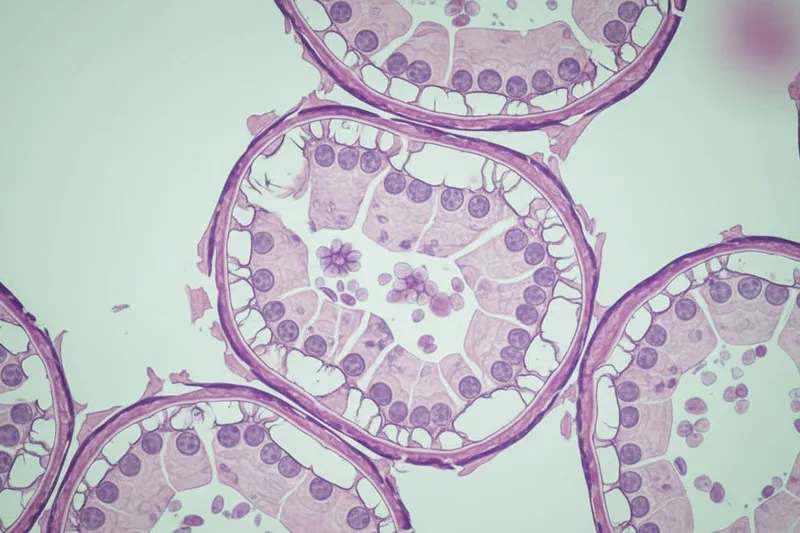
The kidneys are one of the most important organs in our body. Like a filter, the main job of the kidneys is to clean our blood and remove unwanted substances as urine. But sometimes these kidneys can be damaged. Acute Tubular Necrosis (ATN) is a condition that affects the kidneys and can be quite serious. Let's talk about this in simple terms today.
What is Acute Tubular Necrosis?
Simply put, Acute Tubular Necrosis is when our kidneys are damaged due to not getting enough oxygen and blood flow. Inside our kidneys, there are small tube-like structures, which we call tubules . Like a filter, these tubules are what filter the waste products and extra fluids in our body and excrete them as urine. So, in this condition called ATN, it is those tubules that are damaged.
Imagine, if the small filter elements in a water filter get clogged or broken, the water will not be properly purified, right? That's how it is with this. When these tubules are damaged, the kidneys do not work properly. Then, the electrolytes (i.e. salts like sodium and potassium) and fluids in our body start to accumulate inside the body instead of going out. These can sometimes increase to dangerous levels. This can even lead to acute kidney failure , a condition in which the kidneys suddenly stop working.
Why does this situation occur?
Okay, now you have a question about why this condition called ATN occurs. There could be several reasons.
The main reasons:
The most common causes are cases where the amount of oxygen reaching the kidneys decreases.
- If you have a heart attack , the amount of blood flowing to the kidneys may decrease because the heart is not pumping blood properly.
- It's the same with a stroke . At this time, blood flow to the brain and kidneys can be disrupted.
In such cases, the cells in the kidneys do not get the oxygen they need and begin to die. That's how the tubules mentioned earlier are damaged.
Because of chemicals:
Some chemicals can also damage these tubules.
- For example, the contrast dye used in some X-ray tests . You've probably seen that sometimes they give you an injection before doing something like a CT scan? Things like that.
- Some anesthesia drugs .
- Some antibiotics , especially if used incorrectly without medical advice.
- Other toxic chemicals can also cause this.
That's why doctors take into account the condition of your kidneys before prescribing any medication or performing any test.
Who is at higher risk of developing this?
Although anyone can develop this condition, some people are at a slightly higher risk.
- People who have reduced or completely blocked blood flow to the kidneys, for example, due to blood clots .
- For those who have had very low blood pressure for a long time, or for those who have been in shock .
- If a lot of blood is lost during major surgery , or if a large amount of blood is lost from the body due to a severe injury (trauma) .
- Severe muscle damage . Sometimes it can be as severe as a major accident.
- This risk is also higher for people with liver disease .
If you have conditions like this, it is very important to take special care of your kidneys.
What are the symptoms of this?
Symptoms of ATN may not appear immediately, but they may gradually develop into:
- Significantly reduced urine output: You will notice that the amount of urine you pass per day has decreased.
- Swelling and fluid retention: Areas like the legs, arms, and face may swell due to excess fluid accumulation in the body.
- Nausea and vomiting: Loss of appetite and feeling like vomiting may occur.
- Trouble waking up/drowsiness: You may just feel groggy, sleepy all the time.
- Feeling sluggish: A feeling of being lethargic, lacking interest in doing anything.
- Confusion: Difficulty concentrating, may feel a little agitated.
Important: If you have one or more of these symptoms, especially if you are urinating less, see a doctor immediately, as this could be a kidney problem.
How do you find this?
If you have the symptoms mentioned above, and your doctor suspects that you have ATN, they may do several tests to confirm it.
What are the tests?
- Blood tests: This mainly looks at the amount of waste products in your blood.
- Blood Urea Nitrogen (BUN) level.
- Creatinine level.
- Also, electrolyte levels, especially plasma potassium levels.
If these things are present in the blood in excess, it means that the kidneys are not working properly.
- Urine tests: A sample of your urine is taken and examined under a microscope ( microscopic examination of your urine ). This can give some idea of the damage to your kidneys.
- Kidney Biopsy: In some cases, especially if the diagnosis is uncertain, a small piece of tissue from the kidney is taken for examination. This is called a biopsy .
ATN is usually diagnosed by a nephrologist , a doctor who specializes in kidney disease. He or she will review your symptoms and test results to determine exactly what is going on.
How is this treated?
When treating ATN, the most important thing is to treat the underlying cause . That is, if it is due to a heart attack, treat it, if it is due to low blood pressure, or if it is due to a medication, stop taking that medication.
Basic treatment and lifestyle changes:
- Allowing the kidneys to heal: In most cases, the kidneys can heal on their own to some extent, but it takes some time.
- Diet: During this time, your doctor will tell you to follow some dietary restrictions.
- Limiting fluids: You will need to limit the amount of water, tea, coffee, and soup you drink.
- Limit sodium (salt): Reduce the amount of salt you add to your meals.
- Potassium restriction: Limit foods rich in potassium (bananas, oranges, some vegetables).
This is done to stop these things from accumulating unnecessarily in the body until the kidneys heal.
- Medicines:
- Diuretics: Medications that increase urine output. These help to remove excess fluid from the body.
- Potassium-controlling medications: Medication may also be prescribed to control potassium levels in the blood.
Will dialysis be necessary?
Some people may need dialysis until their kidneys are better. Dialysis is a machine that artificially cleans the blood from the kidneys. This may be temporary and can be stopped once the kidneys are back to normal.
Can this be prevented?
Although ATN cannot be completely prevented, there are things we can do to reduce the chances of it occurring.
- Keeping your kidneys well-oxygenated and well-circulated: This is the most important thing. That means controlling things like your blood pressure and heart disease.
- If you are having a test that uses contrast dye: Drink plenty of water before and after such a test. This helps the dye to be flushed out of your kidneys more quickly.
- Before receiving a blood transfusion: Make sure your blood type is cross-matched .
- Controlling diseases that can damage the kidneys:
- High blood pressure
- Diabetes mellitus
- Liver disease
- Heart disease
If you have any of these diseases, control them well according to medical advice.
- Be careful with painkillers: Avoid using over-the-counter painkillers, such as ibuprofen and naproxen sodium , frequently and without medical advice. This is especially important if you already have kidney problems.
How long will it take to recover from this condition?
Acute tubular necrosis can last from a few days to several weeks.
- In a generally healthy person, this condition is reversible , meaning the kidneys start working properly again.
- However, for someone with other health problems, such as diabetes or heart disease, the recovery time may be longer. Sometimes, the kidneys may not fully recover, leaving some weakness.
That's why it's so important to recognize symptoms and seek medical treatment early. This will minimize damage to the kidneys and increase the chances of a speedy recovery.
Take-Home Message
Okay, so I hope you now have a good idea about the Acute Tubular Necrosis we talked about today.
- ATN is a condition in which the tubules in the kidneys are damaged due to a lack of blood and oxygen to the kidneys.
- Heart attacks, strokes, some medications, and chemicals can cause this.
- Symptoms may include decreased urination, swelling, nausea, and drowsiness.
- This is detected through blood and urine tests.
- Treatment includes treating the underlying cause, controlling the diet, and performing dialysis if necessary.
- Living a kidney-friendly lifestyle and managing chronic diseases can help prevent this.
The most important thing is to seek medical advice immediately if you notice anything unusual about your kidneys (especially a decrease in urine output). This way, you can treat it before it becomes a bigger problem.
If you have any further questions about this, don't hesitate to talk to your doctor. Stay healthy!
` Kidney, acute tubular necrosis, kidney disease, kidney failure, blood pressure, oxygen, dialysis, urine


💬 Comments (0)
No comments yet. Be the first to share your thoughts here.
Add Your Comment