
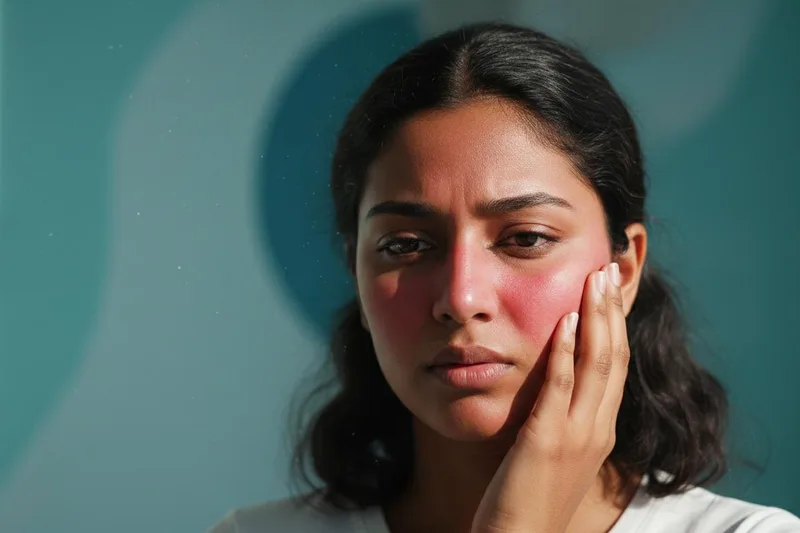
Have you ever noticed that some people, even after drinking a little alcohol, get a flushed face and feel uncomfortable? Maybe you've had that happen to you too. Do you ever think, 'Oh, I can't even drink a little'? That's exactly the kind of situation we're going to talk about today. We call this 'Alcohol Intolerance'.
What exactly is alcohol intolerance?
Simply put, this is something that comes from genes, that is, from generation to generation. It is something that we get from our parents, just like our skin color and hair color. This is also called a metabolic disorder . Now you are wondering what this metabolism is, right? This is the process that turns the things we eat and drink into energy in our bodies, and also breaks down and removes unnecessary things. So, a person with alcohol intolerance cannot properly tolerate and process alcohol.
Think about it, our bodies have special proteins that help us digest food and break down the substances in it. We call them enzymes . These enzymes work like little workers. People with alcohol intolerance have a deficiency in the activity of a special enzyme that helps break down alcohol. That's why they experience unpleasant symptoms like a red face (also called an `alcohol flush`) and a hot flush even after consuming a small amount of alcohol.
This shouldn't be confused with an alcohol allergy, right?
Many people confuse alcohol intolerance with alcohol allergy. But these are two different things.
Alcohol intolerance is a genetic, metabolic disorder that means your digestive system cannot properly process alcohol.
An alcohol allergy is a different matter. It's a response from our immune system. Just like you might be allergic to dust or food, your body is reacting to something in the alcohol (for example, a grain used to make the alcohol, a chemical, or a preservative like sulfite).
The symptoms are also slightly different. Nausea can occur in both. However, the main symptom of alcohol intolerance is redness of the skin on the chest, neck, and face. That's what I've been talking about before, the `alcohol flush.'
On the other hand, an alcohol allergy can cause skin rashes, itching, swelling, and severe stomach pain. The symptoms of an allergy are usually more painful and uncomfortable than those of an intolerance. In some cases, an alcohol allergy can be life-threatening if left untreated.
So if you experience any unusual symptoms after drinking alcohol, definitely see a doctor. Then you can figure out exactly what the problem is.
So is this the same as 'getting bored'?
Oh no. Alcohol intolerance does not mean you get drunk quickly or get drunk with less alcohol. It does not cause your blood alcohol level to increase. In fact, many people with this condition cut down on their alcohol consumption because they cannot tolerate the unpleasant symptoms.
Who is more likely to develop this condition? What causes it?
Although this is a genetic condition that can affect anyone, people of East Asian descent (such as Chinese, Japanese, and Koreans) are more likely to develop alcohol intolerance. This is because they have a more common genetic mutation in their genes.
Okay, now let's look at why this happens. When we ingest alcohol (which is ethanol), this is what usually happens in our bodies:
1. An enzyme called Alcohol Dehydrogenase (ADH) converts ethanol into a substance called acetaldehyde . This acetaldehyde can be harmful to our cells.
2. Then, another enzyme called Aldehyde Dehydrogenase 2 (ALDH2) converts this acetaldehyde into harmless acetic acid (which is basically vinegar).
Now, what happens to someone with alcohol intolerance is that the second enzyme, ALDH2, is either very inactive or not active at all. This is due to that genetic change. What happens then? That harmful acetaldehyde, instead of being converted into acetic acid , starts accumulating in the blood and tissues. That is the main reason for the appearance of those unpleasant symptoms. Do you understand?
What are the symptoms of alcohol intolerance?
As I mentioned before, the main and most obvious sign is a flushed, hot flush on the face, neck, and chest. This is also called `alcohol flushing syndrome`. This can happen after drinking even a small amount of alcohol.
Apart from that, you can also see other features like:
- Nausea and vomiting
- Rapid heartbeat (also called `tachycardia`) or a feeling of your heart pounding (`heart palpitations`)
- Low blood pressure (hypotension)
- Feeling tired with a sharp headache (like a hangover)
- Nasal congestion
- Diarrhea
- If you have asthma, it may worsen.
These symptoms do not occur in the same way for everyone. Some may have one or two, while others may have several.
How do doctors diagnose this exactly?
The doctor will ask you about the symptoms you experience and the reactions you experience when you drink alcohol. That's the first step.
In addition, sometimes a test called an ethanol patch test can be done. This is a very simple test.
- The doctor puts a drop of ethanol on a small piece of gauze and applies it to your hand.
- There are about seven minutes left.
- Then remove the piece of gauze and check to see if that part of your hand is red, itchy, or swollen.
This can give you some idea of the situation.
Is there a cure for this? Can it be cured?
To be honest, there's no way to completely cure it because it's genetic. That means we get it from our parents. So it can't be cured.
But don't worry. Your doctor can help you manage these unpleasant symptoms.
The main thing is to avoid or limit alcohol consumption. That is the best and simplest way to prevent symptoms. You can choose other drinks that do not contain alcohol.
There are a few other important things you should be aware of:
- Avoid tobacco use or exposure to cigarette smoke: Smoking can increase the levels of acetaldehyde in the body, which increases the risk of cancer.
- Avoid drinking alcohol while taking certain medications: Drinking alcohol with some medications can make your symptoms worse.
- Be careful about using antacids or antihistamines to reduce symptoms: These medications only suppress the symptoms. You may be tempted to drink more alcohol because you don't feel any discomfort. Doing so will only make the problem worse.
Important: While antacids or antihistamines may temporarily relieve symptoms, they do not cure alcohol intolerance. Nor do they reduce the damage to the body.
What will happen if I continue to drink alcohol in this condition?
If a person with this condition continues to use alcohol, not only will those unpleasant symptoms occur, but the risk of developing other serious diseases will also increase.
In particular, people with alcohol intolerance are at increased risk for the following if they continue to drink alcohol:
- Head and Neck Cancer
- Liver disease (for example, cirrhosis)
- Late- onset Alzheimer 's disease
Therefore, it is not good for the body to consume alcohol even if you know you have this condition.
So, what are the things we need to remember from all of this?
Okay, let's summarize what we've talked about to help you remember some of the most important points.
Alcohol intolerance is a genetic condition. This means you inherit it from your parents. It cannot be cured, but the symptoms can be managed.
The main thing is to avoid alcohol as much as possible. If you do, you will be free from those unpleasant symptoms and can live a healthy, active life.
You might think, 'Oh, it's so hard not to have a glass of wine or a beer every now and then.' But actually, staying away from alcohol can help you avoid those red faces, body aches, and stomach problems. Not only that, it can also help protect you from serious diseases like cancer.
If you have alcohol intolerance, but you can't control your alcohol intake despite the pain and discomfort, definitely talk to a doctor. There are services that can help with alcohol use disorders.
Remember, your health is the most valuable thing!
` Alcohol intolerance, alcohol, flushing, ALDH2, genetic diseases, alcohol intolerance, enzymes


💬 Comments (0)
No comments yet. Be the first to share your thoughts here.
Add Your Comment