
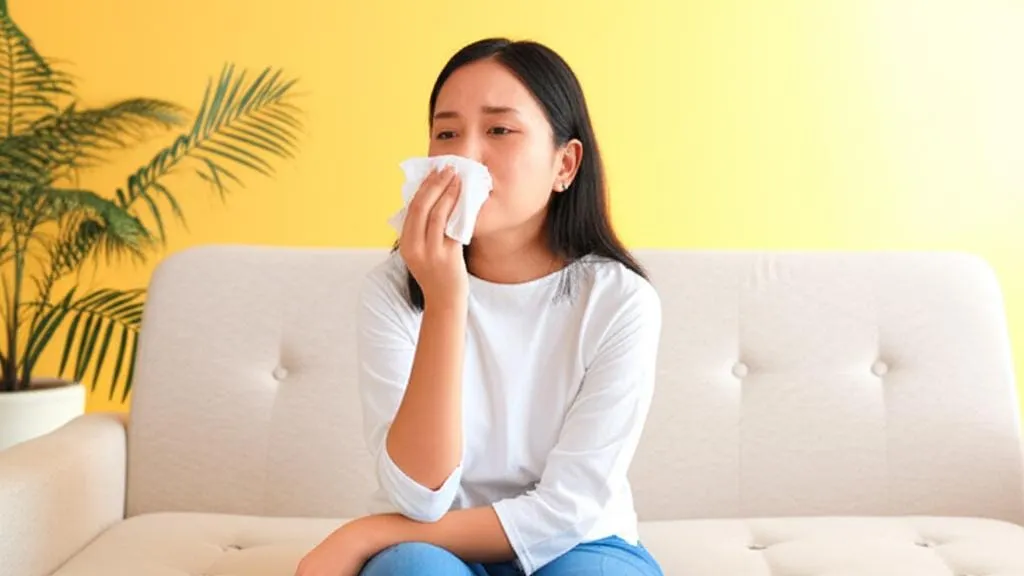
Do you wake up every single morning with a stuffy nose and endless sneezing? Does your skin itch for no clear reason while you are just trying to relax in your living room? If this sounds familiar, you are certainly not alone. Millions of people around the world struggle with annoying allergies every single day.
While taking medicine can help control your symptoms, stopping the allergy before it starts is even better. Many people treat allergies as a normal part of life, but they can seriously slow down your daily routine. Let us explore simple, powerful steps you can take right now to create a safe, allergy-free environment wherever you go.
Key Takeaways for Allergy Protection
- Identify your specific triggers with help from your doctor to target your daily prevention efforts.
- Keep your home clean and dry by controlling indoor humidity below 50 percent and using HEPA filters.
- Keep pets out of your bedroom and wash your bedsheets weekly in hot water to eliminate dust mites.
- Protect yourself outdoors by wearing a hat, avoiding peak pollen hours, and showering after outdoor activities.
- Always carry prescribed emergency medicine, such as an epinephrine auto-injector, if you suffer from severe allergies.
Let Us First Look at How to Protect Yourself at Home
We spend most of our time inside our homes. Because of this, keeping your home environment free from allergens is vital. Making small, simple changes to your daily housekeeping routine can create a massive positive difference in your overall health and comfort.
Controlling Dust, Pollen, and Mold
Many people suffer from allergic reactions triggered by tiny dust mites, outdoor tree and grass pollens, and microscopic mold spores. You can control these common indoor triggers by trying several proven home strategies.
- Keep Your Windows Closed: If you suffer from pollen allergies, try to keep your windows shut tight. Pollen levels peak heavily during early morning hours and windy days. If your home has an air conditioner, turn it on to keep the indoor air cool and clean. Avoid using standard room fans. Ceiling fans and floor fans only stir up settled dust and spread allergens throughout your living space.
- Filter Your Indoor Air: Cover your air conditioner vents with clean cheesecloth or special filter material. This simple trick catches floating pollen before it enters your rooms. Whenever possible, invest in a true HEPA (high-efficiency particulate air) filter. Make sure you clean or replace your filters regularly so they keep working at peak performance.
- Lower Indoor Humidity: Try to keep the humidity level in your home below 50 percent. Mold thrives and multiplies rapidly in damp, humid indoor spaces. If your home feels humid, use a reliable dehumidifier in problem rooms. Remember to empty and clean your dehumidifier water tank at least once every week.
- Watch Out for Mold-Prone Areas: Bathrooms, damp basements, and dark garages are breeding grounds for mold. Keep these areas as clean, dry, and well-ventilated as possible. Wash shower curtains, bathroom tiles, and damp walls regularly using a safe mold-removal cleaning solution.
Avoid keeping too many indoor potted plants inside your living spaces. The damp soil in plant pots provides an ideal environment for mold to grow and spread into your room air.
| Recommended Action | Why This Is Important |
|---|---|
| Wash bedsheets and pillowcases weekly in hot water (at least 54°C or 130°F). | Kills microscopic dust mites that trigger nighttime congestion and skin irritation. |
| Use zippered plastic or allergen-proof covers on mattresses and pillows. | Stops dust mites from burrowing deep inside bedding materials. |
| Vacuum your floors and carpets at least once a week using a vacuum with a HEPA filter. | Removes trapped pet dander, pollen, and dust particles from deep carpet fibers. |
| Minimize heavy rugs and choose washable floor coverings. | Thick carpets trap large amounts of dust, mold, and allergens that are hard to clean out. |
Pets and Other Household Triggers
- Manage Pet Allergens: If you are sensitive to animals, try to keep your pets outdoors when possible. If your allergy is severe, you may need to find a loving home for the pet with another family member. Animal dander (tiny flakes of dead skin) and dried saliva are the main culprits behind pet allergies. If your pet lives indoors, never allow them inside your bedroom. Bathing your pet regularly also helps reduce airborne dander levels.
- Ban Indoor Smoking: Never allow anyone to smoke cigarettes or tobacco products anywhere inside your home. Secondhand smoke irritates sensitive airways and worsens asthma and allergy symptoms greatly.
- Avoid Strong Fragrances: Stay away from strong perfumes, colognes, scented cleaning liquids, and chemical air fresheners. These scented products release volatile organic compounds that can trigger severe allergic attacks.
- Protect Yourself While Cleaning: Whenever you clean dusty rooms, vacuum carpets, or paint walls, wear a protective face mask and cleaning gloves. This keeps dust and harsh chemicals out of your lungs and off your skin.
Staying Safe When Traveling and Outdoors
Stepping outside your home does not mean you have to suffer from allergy symptoms. With a few smart preparations, you can stay completely protected while running errands, driving, or taking a vacation.
In the Car and Outdoors
- In Your Vehicle: Keep your car windows rolled up tightly while driving. Set your vehicle air conditioning to the recirculated air setting. This stops outdoor pollen and exhaust fumes from entering the cabin. Never allow smoking inside your car under any circumstances.
- Check the Daily Weather: Stay indoors on dry, windy days when pollen counts are extremely high. Pollen counts are usually highest between 5:00 AM and 10:00 AM in the morning.
- Protect Yourself During Yard Work: Wear a mask if you mow the lawn, pull weeds, or rake dry leaves. Freshly cut grass smells nice, but if you have grass allergies, stay far away from freshly mown lawns.
- Wear Protective Clothing: Put on a baseball cap or sun hat when heading outside. This stops floating pollen from sticking to your hair and face. Wear closed-toe shoes, long trousers, and long-sleeved shirts to protect your skin from insect bites and plant irritants.
- Clean Up After Coming Home: As soon as you return indoors, take a shower, wash your hair, and change your clothes. Pollen clings easily to fabric and hair strands. Avoid drying your laundry outside on a clothesline, as wet clothes will collect heavy amounts of outdoor pollen.
If you have severe allergic reactions to insect stings, always keep your prescribed epinephrine auto-injector kit close by. This life-saving medicine can stop a dangerous allergic reaction in seconds.
Tips for Safe Travel
- Keep Medicines Handy: Always pack your allergy medicines in your carry-on luggage where you can reach them right away. Bring extra medicine supplies in case your trip runs longer than planned.
- Choose Hotel Rooms Wisely: Request a strictly non-smoking room when booking accommodation. Many modern hotels now offer allergy-friendly rooms with special air purifiers. If you are allergic to animals, avoid pet-friendly hotels entirely.
- Watch What You Eat: If you have food allergies, read restaurant menus very carefully. Ask your server about how dishes are prepared and what ingredients are used. When in doubt about a dish, avoid eating it to stay safe.
Is Your Child's School Prepared for Their Allergies?
If your child struggles with allergies or asthma, working closely with their school is essential for their daily safety and well-being.
- Inform Teachers and Staff: Speak directly with your child's teachers, school principal, and cafeteria staff. Make sure they understand your child's specific triggers, especially regarding food allergies.
- Teach Your Child Early: Help your child understand their allergy at an early age. Teach them why they must avoid certain foods or environments so they can protect themselves when you are not around.
- Prepare for Emergencies: If your child has severe allergies, provide the school nurse with one or two prescribed epinephrine auto-injector pens. Make sure teachers know how to use the device correctly in an emergency. Keep the school updated on any changes in your child's medicines.
- Manage Pollen Days: On high pollen count days, give your child their preventative medicine before they leave for school. Remind them to wear a hat during outdoor recess and wash their hands and face when they come back inside.
💡 Take-Home Message
- Identify exactly what triggers your allergies and avoid those substances as much as possible. Consider consulting your doctor for professional allergy testing if needed.
- Keep your home clean and free from dust, mold, and pollen by maintaining regular cleaning routines and good ventilation.
- Keep your doctor-prescribed emergency medicines, such as an epinephrine injector, readily accessible at all times.
- Communicate your allergy status clearly to family members, school teachers, and restaurant staff to ensure your personal safety.
- Consult your doctor right away if your allergy symptoms become difficult to control or happen often.
🚨 When to Seek Emergency Medical Care
Severe allergic reactions (anaphylaxis) can be life-threatening and require immediate emergency medical attention. Call 911 (US/Canada), 999 (UK), or go to your nearest Emergency Department (ER / A&E) right away if you experience any of these red flag symptoms:
- Trouble breathing, wheezing, or severe shortness of breath.
- Swelling of your lips, tongue, throat, or face.
- A rapid, weak pulse accompanied by dizziness or fainting.
- Hives spreading rapidly across your skin with chest tightness.
- Confusion, severe anxiety, or a feeling of impending doom.






No comments yet. Be the first to share your question or experience below.