

Finding out that you or someone you love has a brain tumor can feel very scary and overwhelming. Thankfully, modern medicine has advanced, and brain surgeries have become much safer and more successful than ever before. If you or a loved one is getting ready for this type of surgery, it helps to learn about a special medicine doctors use to make the operation as successful as possible.
This medicine is not a treatment that cures the tumor on its own. Instead, it is a special helper that guides your surgeon during the operation to ensure they remove as much of the unhealthy tissue as possible.
Key Takeaways About Aminolevulinic Acid
- Not a cure: This medicine acts as a guide, not a treatment, to help surgeons spot brain tumor cells.
- The glowing effect: Tumor cells absorb the solution and glow bright pink under a special blue surgical light.
- Light sensitivity: You must protect your skin and eyes from bright lights and sunlight for at least 48 hours after taking it.
- Full disclosure: Tell your doctor about all your medicines, supplements, and health conditions before surgery.
Renal function (eGFR)
Measure kidney function based on creatinine value
What Is Aminolevulinic Acid Solution?
Simply put, this medicine is a special liquid that helps your surgeon find cancer cells while they are operating on your brain. Sometimes, it is very hard for the naked eye to tell the difference between healthy brain tissue and tumor cells.
Imagine this medicine, often known by the brand name Gleolan, works like a special color that sticks only to tumor cells. A few hours before your surgery, your doctor will give you this liquid to drink. Your body absorbs it, and the medicine travels into the tumor cells inside your brain.
During the surgery, the brain surgeon uses a special blue light. When this light shines on the tissue, the medicine inside the tumor cells makes them glow a bright pink color. Healthy brain cells simply look normal and blue.
Remember, this is not a treatment for the tumor itself. It is simply a guide that helps your surgeon clearly see the tumor cells so they can remove them completely.
This method helps your doctor remove even tiny parts of the tumor that might otherwise be missed. Because of this, the success rate of the surgery goes up greatly.
Things to Tell Your Doctor Before Taking This Medicine
Even though hospital staff give you this medicine, you must share important health details with your doctor to keep you safe. This medicine does not fit every person the same way.
- If you have a rare blood disorder called porphyria: This medicine can make that condition much worse, so telling your doctor is vital.
- If your skin is very sensitive: Let your doctor know if your skin reacts quickly to sunlight or other types of light.
- If you have any allergies: Share your history of allergies to this medicine, other medicines, foods, dyes, or preservatives.
- If you are pregnant or trying to get pregnant: The effects of this medicine during pregnancy are not fully known, so talk with your doctor first.
- If you are breastfeeding: We do not have much information on whether this medicine passes into breast milk, so discuss this with your doctor.
How This Medicine Is Used and What to Watch Out For
You do not take this medicine at home. Between two and four hours before your surgery, your medical team will give it to you to drink right there in the hospital or clinic.
Because the medical team handles it, you do not need to worry about missing a dose or making a mistake. If doctors suspect an accidental overdose, they manage it right in the hospital under close medical care.
The Most Important Rule: Protection From Light!
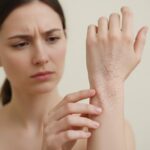
The main side effect after taking this medicine is that your skin and eyes become extremely sensitive to light, known as photosensitivity.
Imagine you took this medicine before surgery. For at least 48 hours afterward, your skin reacts strongly not just to bright sunlight, but also to indoor lights, television screens, and computer monitors.
Because of this, hospital staff will keep you in a somewhat dim room for a couple of days after surgery. Once you go home, you must avoid strong window light and bright lamps for at least two days. If you must go outside, wear fully covering clothes, a hat, and sunglasses. Do not use tanning beds or sunlamps during this time.
Other Medicines and Side Effects
This medicine can react with other drugs. Therefore, tell your doctor about every medicine you take, including vitamins, herbal remedies, and supplements. Particular caution is needed with the following items.
| Medicine Category | Examples and Details |
|---|---|
| Certain water pills (Diuretics) | Chlorothiazide, hydrochlorothiazide |
| Certain diabetes medicines | Glipizide, glyburide |
| Certain infection fighters | Griseofulvin, sulfonamides, fluoroquinolones, tetracyclines |
| Phenothiazines | Chlorpromazine, prochlorperazine used for mental health conditions |
| Other substances | Phenytoin for seizures, St. John's wort herbal supplement, vitamin A, vitamin E |
Side Effects
Like any medical product, this solution can cause side effects. Some are mild. This others need quick medical attention.
| Side Effect Type | Signs and Symptoms |
|---|---|
| Severe Allergic Reactions (Report Right away) | Skin rash, itching, hives, swelling of your face, lips, tongue, or throat, and trouble breathing. |
| Common Mild Side Effects | Diarrhea, fever, headache, nausea, vomiting, and temporary light sensitivity. |
This list does not show every possible side effect. If you feel anything unusual, talk with your doctor right away.
When to Seek Emergency Help
If you experience sudden severe breathing difficulties, facial swelling, severe allergic reactions, or unexpected neurological changes after discharge, call 911 (US/Canada) or 999 (UK), or go to your nearest Emergency Department (ER / A&E) right away.
💡 Take-Home Message
- Aminolevulinic acid is not a cure for tumors, but a visual guide that helps brain surgeons spot tumor cells clearly.
- This medicine makes tumor cells glow pink under special light, making it easier for doctors to remove them safely.
- Always tell your doctor about all your medicines, vitamins, herbal products, and health conditions before your surgery.
- Protect your skin and eyes from bright indoor lights and sunlight for at least 48 hours after taking this drink.
- Report any unusual symptoms or side effects to your medical team right away.
Sources & References:
- U.S. Food and Drug Administration (FDA): Gleolan (aminolevulinic acid hydrochloride) prescribing information.
- National Health Service (NHS UK): Brain tumor surgery and fluorescence-guided resection guidelines.
- Mayo Clinic: Glioma diagnosis and surgical treatment options.
- Cleveland Clinic: Understanding photosensitivity and perioperative medicine safety.
- National Institutes of Health (NIH / PubMed): Fluorescence-guided surgery in malignant gliomas using aminolevulinic acid.




No comments yet. Be the first to share your question or experience below.