
You might have recently heard some news about your body during a routine health scan or a visit with your doctor. Perhaps your doctor mentioned that the shape of your uterus is a little bit different than usual, calling it an arcuate uterus. Hearing a medical term like that for the very first time can naturally make your heart skip a beat or make you feel nervous about your health and future.
Please take a deep breath and rest easy right now. This is a very common and mild variation in how a uterus forms, and it is almost never a cause for alarm or major medical concern. We want you to feel completely informed and reassured, so let us walk through everything you need to know about this condition in clear, simple everyday words.
Whether you are planning to have children soon or simply trying to understand your own anatomy better, this complete guide will break down what an arcuate uterus is, why it happens, how doctors find it, and what it means for your daily life and future pregnancies.
Key Takeaways About an Arcuate Uterus.
- An arcuate uterus is a normal, harmless anatomical variation where the top of the uterus has a very slight inward indentation.
- Most people who have an arcuate uterus never experience any symptoms or pain at all.
- This condition is present from birth and cannot be prevented or changed.
- An arcuate uterus does not negatively impact your ability to get pregnant or carry a healthy baby to full term.
- Special medical treatments or surgeries are virtually never required for this mild variation.
Know your body mass index (BMI) and weight classification
What Is an Arcuate Uterus and How Does It Look?
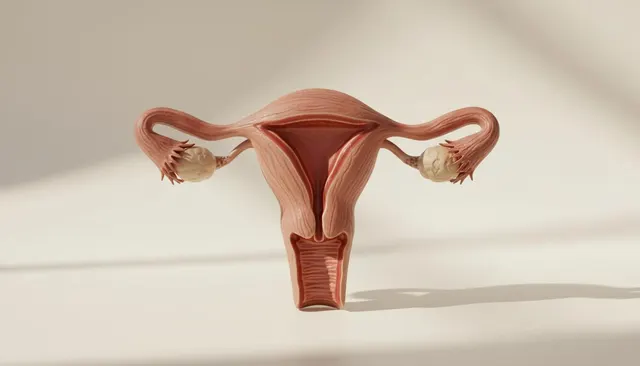
To understand what an arcuate uterus is, it helps to picture a normal, healthy uterus. Normally, a healthy uterus looks a bit like an upside-down pear, with a smooth, rounded upper portion. The upper part of the uterus is called the fundus.
When someone has an arcuate uterus, that smooth upper curve is slightly different. Instead of being completely round or flat across the top, the muscle wall at the very top of the uterine cavity has a tiny dip or indentation pushing inward.
Think about what happens when you press your finger gently into the top of a soft ball of clay. It leaves a small, shallow depression on the surface. That is very similar to how an arcuate uterus looks on the inside.
Medical professionals view this as a minor structural variation rather than a disease or a dangerous illness. Because the indentation is usually extremely shallow, it does not interfere with the normal functioning of your reproductive system.
Diagram showing the slight upper indentation typical of an arcuate uterus.
Is an Arcuate Uterus a Rare Condition?
Many people wonder if having an arcuate uterus is extremely rare or if it happens to a lot of people. While it is not the most common shape, it does occur in a notable percentage of women during routine medical imaging.
However, because it rarely causes any symptoms or health problems, many people go through their entire lives without ever knowing they have it. It is usually only discovered by pure chance when a doctor performs an imaging scan for an entirely unrelated reason.
Medical experts often debate whether an arcuate uterus is a true birth anomaly or simply a normal variation sitting at the very edge of standard human anatomy. Because it does not cause medical complications, you can think of it as just one of the many natural ways human bodies can vary.
What Are the Common Symptoms of an Arcuate Uterus?
The short answer is that there usually are no symptoms at all. Most people with an arcuate uterus live completely normal, healthy lives without ever feeling any physical signs related to this condition.
The indentation at the top of the uterus is typically so mild and subtle that it does not cause abnormal menstrual cramps, unusual bleeding, pelvic pain, or discomfort during daily activities.
If you experience severe pelvic pain, heavy bleeding, or intense cramps during your menstrual cycle, those symptoms are almost certainly caused by something else entirely, such as endometriosis or hormonal imbalances, rather than an arcuate uterus.
Why Does an Arcuate Uterus Form?
To understand why this happens, we have to look back at how a baby develops inside the womb before birth. Every female baby grows from specialized embryonic structures known as Mullerian ducts.
During normal fetal development, two separate Mullerian ducts grow, move together, and fuse completely down the middle to form a single, unified uterus and fallopian tubes.
Sometimes, the fusion process at the very top of the ducts is slightly incomplete. When the tissues merge everywhere except for a tiny area at the very top, it leaves behind a small indentation, resulting in an arcuate uterus.
This is a congenital condition, meaning it is present from the moment you are born. It is completely natural, and nothing you or your parents did during pregnancy or childhood caused it to happen.
Can an Arcuate Uterus Cause Miscarriages?
Important Reassurance on Miscarriages
Having an arcuate uterus does not cause miscarriages. Medical research and clinical data show that this mild variation does not increase your risk of pregnancy loss or reproductive complications.
It is completely normal to worry about miscarriage if you learn your uterus has an unusual shape. However, more severe uterine variations like a septate or bicornuate uterus can sometimes carry higher risks, but an arcuate uterus is far too mild to have that kind of impact.
If you have unfortunately experienced a miscarriage and later discovered you have an arcuate uterus, please know that doctors look for other medical explanations, such as genetic factors or hormonal issues, because your uterine shape is not the culprit.
How Do Doctors Diagnose an Arcuate Uterus?
Because there are no outward physical symptoms, an arcuate uterus is almost always found incidentally during routine pelvic imaging procedures.
Your doctor might spot the typical indentation while performing a routine prenatal ultrasound or investigating an unrelated gynecological concern.
Diagnostic Tests and Imaging Methods.
Doctors use specialized imaging tools to take a clear look inside your pelvic cavity and map out the exact contours of your uterus:
- Transvaginal Ultrasound: This is the most common diagnostic tool used by doctors. A small, smooth wand is gently placed inside the vagina to send sound waves that create a detailed image of your uterus and ovaries on a screen.
- Pelvic MRI (Magnetic Resonance Imaging): In some cases, a doctor may order an MRI scan. This uses powerful magnets and radio waves to generate exceptionally clear, high-resolution cross-sectional images of soft tissues in your pelvis.
- Hysteroscopy: This involves inserting a thin, lighted telescope-like tube through the cervix to view the interior of the uterus directly, though it is rarely needed solely to check for an arcuate uterus.
| Imaging Method. | How It Works. / Primary Medical Purpose. |
|---|---|
| Transvaginal Ultrasound. | How It Works.: Uses sound waves via a slim vaginal wand. Primary Medical Purpose.: Routine checkups, pregnancy monitoring, pelvic scans. |
| Pelvic MRI. | How It Works.: Uses magnetic fields and radio waves. Primary Medical Purpose.: Detailed anatomical mapping of soft tissues. |
| Hysteroscopy. | How It Works.: Uses a tiny lighted camera inserted through the cervix. Primary Medical Purpose.: Direct visual inspection of the uterine cavity lining. |
Are Treatments Required for an Arcuate Uterus?
Because an arcuate uterus is a harmless anatomical variation that does not cause physical symptoms or medical problems, special medical treatments or surgeries are completely unnecessary.
Attempting to surgically correct a minor upper uterine indentation would carry unnecessary surgical risks, anesthesia complications, and scar tissue formation that far outweigh any potential benefit.
Your healthcare team will simply make note of this mild finding in your medical chart and reassure you that no therapeutic interventions or medicines are required.
Can You Prevent an Arcuate Uterus?
There is nothing you can do to prevent an arcuate uterus from forming, nor is there anything you could have done differently to avoid it. Because it is a congenital trait formed during your earliest weeks of fetal development, it is entirely a natural part of your genetic blueprint.
You can let go of any worry or self-blame. This variation is simply a unique physical typical, much like having attached earlobes or a specific eye color.
Can You Have a Normal Pregnancy with an Arcuate Uterus?
Yes, absolutely. Having an arcuate uterus does not stop you from getting pregnant easily, carrying a baby through a healthy nine months, and having a normal delivery.
During pregnancy, your uterus has a remarkable ability to stretch, grow, and accommodate a developing baby. The inner lining of the uterus receives a rich, healthy blood supply to support the placenta perfectly.
Extensive clinical studies confirm that an arcuate uterus is not linked to an increased chance of premature birth, low birth weight, or other major pregnancy complications.
Will an Arcuate Uterus Affect Your Childbirth Experience?
In the vast majority of cases, an arcuate uterus has zero negative impact on your labor and delivery experience. You can safely plan for a vaginal delivery just like anyone else.
While more pronounced structural differences in the uterus can sometimes increase the likelihood of a baby settling in a breech position (feet first) and requiring a Cesarean section (C-section), an arcuate uterus is too mild to cause this reliably.
Your obstetrician will monitor your pregnancy closely through standard prenatal checkups and guide you toward the safest delivery plan for you and your baby.
Are There Other Health Risks Associated with This Condition?
Medical researchers have explored whether minor uterine variations might be linked to other conditions, such as endometriosis, where tissue similar to the lining of the uterus grows outside of it.
Some studies suggest a slight statistical overlap, but experts emphasize that there is no strong or proven cause-and-effect relationship between an arcuate uterus and endometriosis.
You do not need to look out for unique health risks or undergo extra medical screenings simply because you have an arcuate uterus.
When Should You Consult a Doctor?
Because an arcuate uterus is asymptomatic, you do not need routine medical checkups specifically for it. However, you should always consult your doctor if you experience other gynecological warning signs.
If you develop new or worsening pelvic pain, unusual heavy bleeding between menstrual cycles, or severe discomfort, schedule an appointment with your doctor for a proper evaluation.
Emergency Red Flags: When to Seek Urgent Care.
Seek immediate medical attention by calling 911 (US/Canada), 999 (UK), or going to your nearest Emergency Department (ER / A&E) if you experience severe, sudden pelvic or abdominal pain accompanied by heavy bleeding, fainting, dizziness, or high fever. These symptoms require urgent medical evaluation regardless of your uterine anatomy.
Questions to Ask Your Doctor About an Arcuate Uterus.
If you have recently learned about your diagnosis and want absolute peace of mind during your next appointment, consider asking your doctor these helpful questions:
- Could you show me on my ultrasound scan where the mild indentation is located?
- Does my specific scan show a true arcuate uterus or a different variation?
- Do I need any follow-up appointments or additional imaging tests for this?
- How will this finding affect my future family planning and pregnancy monitoring?
A Note from Dr. Priya Sammani.
💡 Take-Home Message.
To sum everything up simply, an arcuate uterus is nothing more than a tiny, harmless variation in the upper contour of your uterus. It is completely natural, present from birth, and virtually always free of symptoms.
It will not stop you from getting pregnant, it will not cause miscarriages, and it requires no medical treatment or surgery. You can rest easy, take a deep breath, and continue living your life with total peace of mind.
If you ever have lingering questions or personal concerns about your reproductive health, your doctor is always your best resource to provide personalized guidance and reassurance.
Sources & References:
1. American College of Obstetricians and Gynecologists (ACOG). Müllerian Anomalies Guidelines.
2. Mayo Clinic. Congenital Uterine Anomalies: Diagnosis and Patient Management.
3. National Health Service (NHS UK). Uterine Shape Variations and Pregnancy Health.
4. Centers for Disease Control and Prevention (CDC). Reproductive Health Anatomy.
5. National Institutes of Health (NIH) / PubMed Central. Clinical Significance of Arcuate Uterus Variations in Obstetrics. PMCID: PMC4512391.






No comments yet. Be the first to share your question or experience below.