
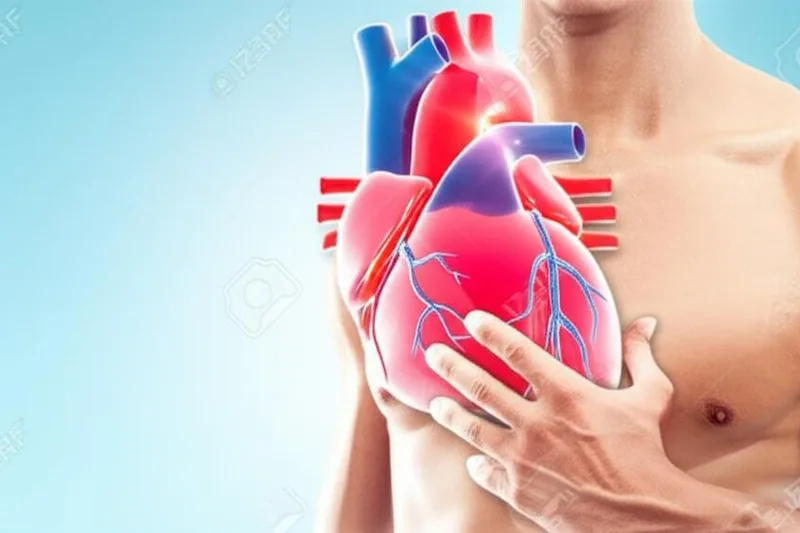
Let's talk about the relationship between your body weight and heart health (atherosclerosis)?

Let's talk about the relationship between your body weight and heart health (atherosclerosis)?

Most of us think of losing weight only to look good and feel good, right? But did you know that losing weight actually does good things to your body, especially your blood vessels ? Losing weight is a great gift for your heart. That's what we're talking about today.

What happens inside blood vessels (atherosclerosis) and body fat

First, let's look at what these blood vessels (Arteries) are. Think of them as a system of water pipes throughout your body. These pipes carry clean blood from the heart to the entire body. Meanwhile, the coronary arteries, which supply blood to the heart muscles , are very special and very important.

To do this job properly, the blood vessels need to be healthy and clean. But over time, due to things like the food we eat and our lifestyle, fats start to build up on the walls of these blood vessels. It's like moss growing inside a water pipe. We call this plaque. These plaques accumulate and reduce the space inside the blood vessels, the vessels gradually narrow, and they lose their flexibility. That's what medical science calls atherosclerosis .

This is a very dangerous situation because if the blood flow becomes blocked in this way , it can lead to a sudden, serious condition such as a heart attack or stroke .

It's not just the weight that matters, but also where the fat is located!

This risk is not only affected by the number of kilos you see on the scale. Where your body fat is stored is also very important.

Take a tape measure and measure from your bust to your waist.

  • If you are a woman and your waist circumference is more than 35 inches...
  • If you are a man and your waist circumference is more than 40 inches...

...You are at higher risk of developing atherosclerosis than others.

Our bodies actually need a certain amount of fat to stay healthy. But when we have too much fat, especially around our belly, the delicate lining of our blood vessels can't work properly. Also, excess fat increases the risk of blood clots. Now you can imagine what would happen if a blood clot broke off and blocked an artery in our heart or brain.

Let's lose weight, reduce risk!

The benefits of losing excess weight from your body are endless. It significantly reduces the risk of heart attacks, strokes, and many circulatory problems.

The things you do to lose weight, such as exercising actively and eating healthy, have surprisingly good results for your heart and blood vessels.

The benefits of losing weight What does that do to the body?
Healthy, flexible blood vessels The walls of the blood vessels become less stiff and more flexible, making it easier for blood to flow.
Low blood pressure High blood pressure is controlled by reducing the effort the heart has to pump blood.
Increase in "good" cholesterol It increases the level of HDL cholesterol, which is good for the body. This helps remove harmful fats that build up in the arteries.
Reduction of "bad" cholesterol The level of harmful LDL cholesterol, which deposits in the blood vessels as plaque, decreases.
Reduced risk of diabetes Being overweight is a major cause of Type 2 Diabetes. Losing weight can reduce that risk.

What are you doing now?

Okay, so after reading this, you might be thinking that you need to lose weight too. The best thing you can do is see your doctor and talk about it.

  • What is a healthy weight (goal weight) for your height?
  • What should be specifically limited in food and drink (such as salt, oil, sugar)?
  • What exercises are suitable for your body and health?
  • How long can we expect results once we start doing these things?

Ask your doctor about all of this and find out for sure. He or she will give you a plan that suits you best.

Very important: If you smoke, do everything you can to stop. Smoking is a major risk factor for atherosclerosis. If you already have it, smoking can make it worse. Also, avoid breathing in secondhand smoke.

Take-Home Message

  • Atherosclerosis is the buildup of fatty deposits in the walls of blood vessels, narrowing them. This is a major cause of heart attacks and strokes.
  • Weight gain, especially fat accumulation around the waist, is a major risk factor for this condition.
  • Losing extra weight can reduce blood pressure, bad cholesterol (LDL), and the risk of diabetes.
  • Smoking makes this condition worse, so it is essential to quit smoking completely.
  • Always seek advice from your doctor about managing your weight and maintaining a healthy lifestyle.

atherosclerosis Sinhala, heart disease, weight loss, cholesterol, overweight, blood vessel blockage, stroke

⚠️ Important: The medical articles and information on Nirogi Lanka are for general awareness only, and are by no means a substitute for professional medical advice, diagnosis, or treatment. For any medical problem you have, consult a qualified physician immediately.

💬 Comments (0)

No comments yet. Be the first to share your thoughts here.

Add Your Comment

Please calculate: 8 + 3 =
Let's talk about the relationship between your body weight and heart health (atherosclerosis)?
Weight ManagementAugust 24, 2025

Let's talk about the relationship between your body weight and heart health (atherosclerosis)?

Most of us think of losing weight only to look good and feel good, right? But did you know that losing weight actually does good things to your body, especially your blood vessels ? Losing weight is a great gift for your heart. That's what we're talking about today.

What happens inside blood vessels (atherosclerosis) and body fat

First, let's look at what these blood vessels (Arteries) are. Think of them as a system of water pipes throughout your body. These pipes carry clean blood from the heart to the entire body. Meanwhile, the coronary arteries, which supply blood to the heart muscles , are very special and very important.

To do this job properly, the blood vessels need to be healthy and clean. But over time, due to things like the food we eat and our lifestyle, fats start to build up on the walls of these blood vessels. It's like moss growing inside a water pipe. We call this plaque. These plaques accumulate and reduce the space inside the blood vessels, the vessels gradually narrow, and they lose their flexibility. That's what medical science calls atherosclerosis .

This is a very dangerous situation because if the blood flow becomes blocked in this way , it can lead to a sudden, serious condition such as a heart attack or stroke .

It's not just the weight that matters, but also where the fat is located!

This risk is not only affected by the number of kilos you see on the scale. Where your body fat is stored is also very important.

Take a tape measure and measure from your bust to your waist.

  • If you are a woman and your waist circumference is more than 35 inches...
  • If you are a man and your waist circumference is more than 40 inches...

...You are at higher risk of developing atherosclerosis than others.

Our bodies actually need a certain amount of fat to stay healthy. But when we have too much fat, especially around our belly, the delicate lining of our blood vessels can't work properly. Also, excess fat increases the risk of blood clots. Now you can imagine what would happen if a blood clot broke off and blocked an artery in our heart or brain.

Let's lose weight, reduce risk!

The benefits of losing excess weight from your body are endless. It significantly reduces the risk of heart attacks, strokes, and many circulatory problems.

The things you do to lose weight, such as exercising actively and eating healthy, have surprisingly good results for your heart and blood vessels.

The benefits of losing weight What does that do to the body?
Healthy, flexible blood vessels The walls of the blood vessels become less stiff and more flexible, making it easier for blood to flow.
Low blood pressure High blood pressure is controlled by reducing the effort the heart has to pump blood.
Increase in "good" cholesterol It increases the level of HDL cholesterol, which is good for the body. This helps remove harmful fats that build up in the arteries.
Reduction of "bad" cholesterol The level of harmful LDL cholesterol, which deposits in the blood vessels as plaque, decreases.
Reduced risk of diabetes Being overweight is a major cause of Type 2 Diabetes. Losing weight can reduce that risk.

What are you doing now?

Okay, so after reading this, you might be thinking that you need to lose weight too. The best thing you can do is see your doctor and talk about it.

  • What is a healthy weight (goal weight) for your height?
  • What should be specifically limited in food and drink (such as salt, oil, sugar)?
  • What exercises are suitable for your body and health?
  • How long can we expect results once we start doing these things?

Ask your doctor about all of this and find out for sure. He or she will give you a plan that suits you best.

Very important: If you smoke, do everything you can to stop. Smoking is a major risk factor for atherosclerosis. If you already have it, smoking can make it worse. Also, avoid breathing in secondhand smoke.

Take-Home Message

  • Atherosclerosis is the buildup of fatty deposits in the walls of blood vessels, narrowing them. This is a major cause of heart attacks and strokes.
  • Weight gain, especially fat accumulation around the waist, is a major risk factor for this condition.
  • Losing extra weight can reduce blood pressure, bad cholesterol (LDL), and the risk of diabetes.
  • Smoking makes this condition worse, so it is essential to quit smoking completely.
  • Always seek advice from your doctor about managing your weight and maintaining a healthy lifestyle.

atherosclerosis Sinhala, heart disease, weight loss, cholesterol, overweight, blood vessel blockage, stroke

⚠️ Important: The medical articles and information on Nirogi Lanka are for general awareness only, and are by no means a substitute for professional medical advice, diagnosis, or treatment. For any medical problem you have, consult a qualified physician immediately.

💬 Comments (0)

No comments yet. Be the first to share your thoughts here.

Add Your Comment

Please calculate: 8 + 3 =