
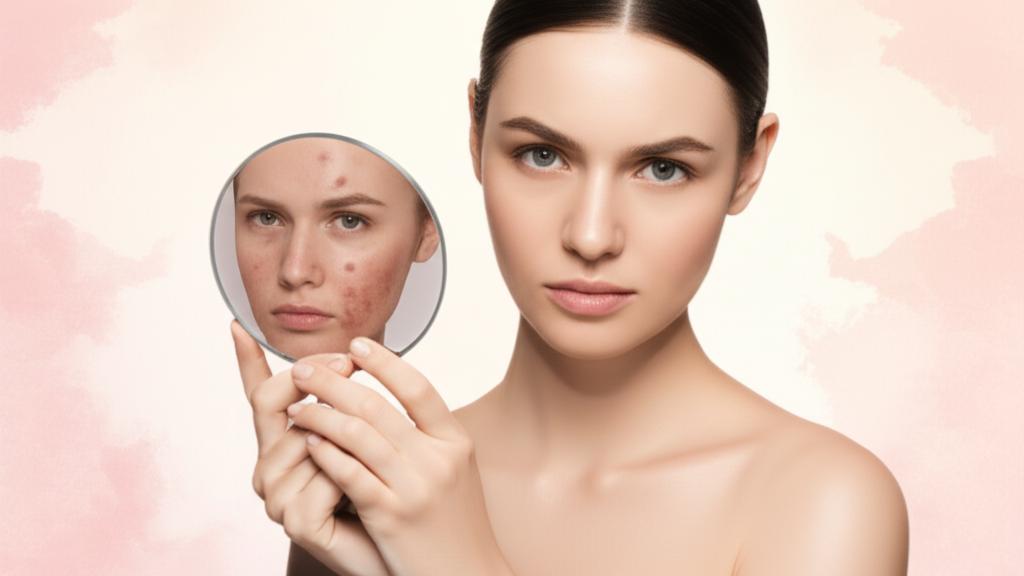
Do you dream of having healthy, glowing, and clear skin every single day? It is something we all want, but our busy daily routines often get in the way. Without realizing it, you might be doing small everyday things that slowly damage your skin over time.
Many common habits make your skin age faster, lose its natural brightness, and break out with stubborn pimples. Today, we will look at these hidden skin traps and show you simple, easy ways to protect your skin.
Key Takeaways for Healthy Skin
- Always wash your face before bed to remove dirt, oil, and pollution.
- Smoking destroys collagen, making your skin age and wrinkle much faster.
- Apply a broad-spectrum sunscreen every single day, even when it is cloudy.
- Eat fewer sugary foods and add fresh fruits and vegetables to your meals.
- Never pick or squeeze your pimples to avoid permanent scars and infections.
BMI Calculator
Know your body mass index (BMI) and weight classification
1. Do You Forget to Wash Your Face Before Bed?
After a long and tiring day at work or school, you just want to fall straight into bed. Washing your face feels like a chore, and it is easy to skip it. Even if your face looks clean, a full day of dust, dirt, car exhaust, and natural skin oils has built up on your skin.
When you leave this layer on all night, it blocks your skin pores and leads directly to sudden breakouts. This trapped grime also triggers skin inflammation and irritation while you sleep. Over time, this bad habit leaves your skin looking dull, tired, and aged.
What Should You Do Instead?
Make it a rule to wash your face with a gentle, skin-friendly cleanser every night before bed. Choose a cleanser that contains glycerin or soothing botanical oils to lock in moisture while you clean. On days when you are too tired for a full wash, keep gentle facial wipes by your bed to clean your skin quickly instead of doing nothing at all.
2. How Smoking Harms Your Skin Inside and Out
We all know that smoking is terrible for your overall health and lungs. But do you truly know how much damage it causes to your skin? Put simply, smoking is one of the absolute worst enemies your skin can ever face.
Cigarettes contain nicotine, which makes the tiny blood vessels in your skin shrink and narrow. This reduces the flow of vital oxygen and nutrients to your skin cells. Also, toxic chemicals in tobacco destroy collagen and elastin, which are the two special proteins that keep your skin firm and youthful.
The result is clear: a smoker's skin becomes thin and dull very quickly, wrinkles appear much earlier, and even minor cuts and wounds take a long time to heal.
Smoking also creates deep facial wrinkles around your mouth and eyes because you constantly purse your lips and squint against the smoke. While antioxidants like vitamins A and C can help repair some damage, the only true solution is to stop smoking completely.
3. The Hidden Dangers of Skipping Sunscreen
People often think soaking up the sun feels wonderful and healthy for the body. However, the ultraviolet rays hidden inside sunlight are extremely harmful to your bare skin. Medical doctors warn that UV rays cause your skin to age prematurely and raise your risk of developing dangerous skin cancers.
The most important thing to remember is that you need sun protection every day, not just on sunny trips to the beach. Even on cool, cloudy days, invisible UV rays pass right through the clouds and damage your skin. Make applying sunscreen a daily habit before you step outside your front door.
How to Apply Sunscreen Correctly
- Choose a broad-spectrum sunscreen with an SPF of 30 or higher for daily defense.
- Reapply your sunscreen every two hours if you spend long hours outdoors in the sun.
- Use enough product to cover your skin fully, using about a teaspoon for your face alone.
- Never forget to cover easy-to-miss areas like your forehead, nose sides, and under your chin.
4. Eating Too Much Sugar and Skipping Fresh Produce
Many scientific studies show that eating a diet high in sugar speeds up the skin aging process. This includes obvious treats like candies and ice cream, as well as refined carbohydrates like white bread, pastries, and instant noodles.
Simply put, excess sugar in your bloodstream attaches to your skin collagen proteins. This breaks down their natural flexibility and causes your skin to sag and wrinkle much faster. A skin-friendly diet consists mainly of fresh vegetables, whole fruits, and whole grains.
Fresh fruits and vegetables are packed with healthy antioxidants that actively protect and repair your skin cells from daily environmental damage.
| Bad Daily Habit | Harmful Effect on Your Skin |
|---|---|
| Sleeping without washing your face | Blocked pores, sudden acne breakouts, and dull complexion. |
| Smoking cigarettes | Collagen destruction, premature wrinkles, and poor nutrient flow. |
| Skipping daily sunscreen | Fast aging, skin cancer risk, and dark spots. |
| High-sugar diet | Accelerated skin sagging and deep wrinkle formation. |
5. Picking and Squeezing Your Pimples
When a large, painful pimple pops up on your face, your first instinct is to squeeze and pop it. However, popping a pimple is one of the worst mistakes you can make for your skin. Squeezing breaks open the delicate skin tissue and leaves behind permanent scars.
Also, bacteria from your unwashed fingers enter the open wound and spread dangerous infections. This turns a simple breakout into a much bigger, inflamed skin problem.
How to Treat Pimples Safely
Benzoyl peroxide and salicylic acid are two of the most successful treatments available for acne breakouts. However, you must be very careful when you use products that contain these strong active chemicals.
Clinical studies show that a 2.5% benzoyl peroxide treatment works just as effectively as higher concentrations like 5% or 10%.
High-strength acne creams can easily dry out your skin, turn it red, and cause painful irritation, especially if your skin is sensitive. Always start with a low concentration to see how your skin reacts. For salicylic acid, a gentle 2% formula suits most skin types well.
If you feel any discomfort or burning, switch to an even lower strength right away. Most importantly, talk with your doctor before you start any new skin treatment so you can find the safest option for your unique skin type.
6. Scrubbing Dry, Flaky Skin Too Hard
When your skin feels dry and starts peeling in flaky patches, it is a clear sign that your skin lacks moisture. Your natural instinct is often to grab a harsh facial scrub and buff away the flakes. While your skin might feel smooth for a moment, this harsh scrubbing actually weakens your natural moisture barrier.
Instead of scrubbing away your healthy skin cells, focus on giving your skin deep hydration. Use a fragrance-free lotion or rich cream every day. Ingredients like glycerin, dimethicone, petrolatum, cocoa butter, and shea butter absorb quickly and leave your skin soft and deeply moisturized without a greasy feel.
💡 Take-Home Message
- Never forget to wash your face every night with a mild cleanser before bed.
- Stop smoking completely to protect your natural skin youth and collagen.
- Wear an SPF 30+ sunscreen every single day, regardless of the weather.
- Eat fewer sugary foods and enjoy fresh vegetables and whole grains instead.
- Resist the urge to pick or squeeze pimples to prevent scars and infections.
- Moisturize dry skin gently instead of using harsh physical scrubs.
- Consult a qualified doctor if you have persistent skin concerns before starting new treatments.
When to Seek Emergency Medical Attention
Seek immediate medical care by calling 911 (US/Canada), 999 (UK), or going to your nearest Emergency Department if you experience sudden, severe skin swelling, widespread blistering, trouble breathing alongside a skin reaction, or signs of a severe skin infection like high fever and rapid spreading redness.
Sources & References:
- American Academy of Dermatology (AAD): Skin Care Basics and Acne Tips.
- Mayo Clinic: Wrinkles and Skin Aging Causes.
- National Health Service (NHS UK): Healthy Skin and Sunscreen Guidelines.
- Cleveland Clinic: Daily Habits That Damage Your Skin.
- National Institutes of Health (NIH PubMed): Effects of UV Radiation and Smoking on Collagen.






No comments yet. Be the first to share your question or experience below.