
Let's learn about basal insulin for type 2 diabetes in a simple way!

Let's learn about basal insulin for type 2 diabetes in a simple way!

When your doctor tells you that you have Type 2 Diabetes, there are several ways to control it. Things like a good diet and regular exercise can go a long way. But sometimes, you may need to use insulin and other medications to properly control your blood sugar levels. So, there are two main ways to take insulin. One is bolus insulin, and the other is basal insulin, which we are talking about today.

So, what is basal insulin?

Simply put, this is also called "background insulin." Imagine, the pancreas in a healthy person's body produces insulin little by little throughout the day, 24 hours a day. Even when we are not eating, this amount of insulin is needed for essential processes in our body. This is what we call basal insulin.

This natural process does not happen properly in the body of a person with type 2 diabetes. That's when your doctor will recommend that you take an external ``Basal Insulin.'' When this insulin is injected, it is absorbed very quickly into the body and helps keep your blood sugar levels stable throughout the day.

Typically, if you are starting insulin for diabetes, your doctor will start you on this 'basal insulin'. You can start with one injection a day. If that is not enough, your doctor may recommend adding a fast-acting bolus insulin to be taken before or after meals.

What types of basal insulin are there?

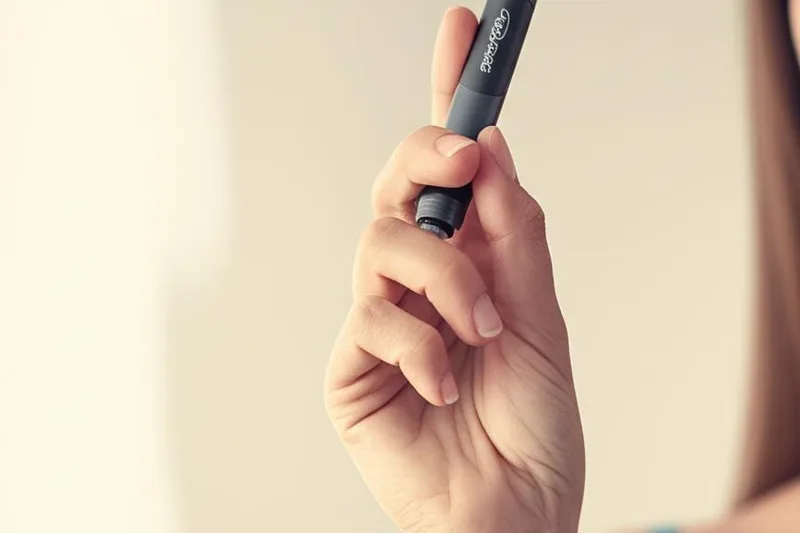
Basal insulin is often injected into the fat layer under the skin. You can use a syringe and needle for this. There are also prefilled disposable pens that are very easy to use for some people.

There are three main types of basal insulin. These differ in how quickly they start working in the body (onset), when they reach their peak (peak), and how long they last in the body (duration). Your doctor will choose the type that is best for you based on factors such as your blood sugar levels and lifestyle.

Insulin type Description and examples
Intermediate-acting These start working within an hour or two, peak between 4-12 hours, and last for about 24 hours.
Ex: NPH (Humulin N, Novolin N)
Long-acting These take about 2 hours to enter the blood. But they remain active for about 24 hours. These types do not have a big "peak", that is, they do not have a chance to reach their maximum all at once. Therefore, they produce insulin naturally and have the same effect.
Ex: Detemir (Levemir), Glargine (Basaglar, Lantus)
Ultra-long-acting These take between 1-6 hours to start working, but can last for 36 hours or more. These types also don't have a "peak," so the effectiveness remains the same.
Ex: Degludec (Tresiba), Glargine u-300 (Toujeo)

What are the benefits of using basal insulin?

One of the biggest advantages of this is that you only need to inject once or twice a day, which is a huge convenience compared to bolus insulin taken with meals.

Also, you get a lot of freedom and flexibility . You don't have to stick to meal times and give yourself injections. You can move around a bit to eat, do your work, or even travel.

These long-acting insulins are very helpful in preventing dangerously low blood sugar (hypoglycemia), especially during overnight fasting.

Hypoglycemia is something we need to be very careful about in insulin therapy. This condition can cause heart problems, and sometimes even death. Therefore, reducing this risk is a great advantage of `Basal Insulin`.

So, aren't there any disadvantages? Let's also learn about the side effects.

Insulin is actually a very safe drug, but sometimes minor side effects can occur.

The first thing is price . Some long-acting insulins can be a little more expensive than other short-acting types. So that's something we need to consider.

Main side effects

  • Low blood sugar (Hypoglycemia): The main reason for this is that the body receives more insulin than the amount of sugar in the body at that moment. When this happens, you may experience symptoms such as feeling weak, shaky, irritable, sweating, and irregular heartbeat . If you experience anything like this, eat something with a little sugar (e.g., a sweet drink, toffee) as soon as possible and inform your doctor.
  • Weight gain: This is also a problem for many people. Insulin helps cells easily use the sugar in the food we eat for energy. However, if we consume more calories than our body needs, that extra sugar can be stored as fat inside the cells and lead to weight gain. This is why it is important to have a good diet and exercise .
  • Injection site allergy: Sometimes the injection site may become red, swollen, or itchy. This can be reduced by rotating the injection site rather than injecting in the same spot.

How do I determine the dose of insulin I need?

This is a very important question. Remember, only your doctor can decide the dose of insulin you need. Never change your insulin dose based on your own feelings or what someone else tells you.

Your doctor will usually start you on a starting dose based on your weight . Then, they will monitor your blood sugar levels for a few days and adjust the dose gradually (e.g., by 2-4 units) to find the right dose for you. This is like trying on a dress. It will take some time to find the right dose for you. So be patient and follow your doctor's instructions exactly .

Take-Home Message

  • Basal insulin is a treatment that mimics the "background" insulin that our bodies naturally produce throughout the day.
  • When using this, you have a lot of freedom because the number of injections per day is reduced and it is not tied to meals.
  • The main benefit is stable blood sugar control and reduced risk of hypoglycemia, especially at night.
  • Determining and changing your insulin dose should only be done by your doctor . Never try to change it yourself.
  • Be aware of side effects like low blood sugar and weight gain. If you have any concerns, talk to your doctor about them.

Diabetes, basal insulin, insulin therapy, type 2 diabetes, blood sugar, hypoglycemia, insulin dosage

⚠️ Important: The medical articles and information on Nirogi Lanka are for general awareness only, and are by no means a substitute for professional medical advice, diagnosis, or treatment. For any medical problem you have, consult a qualified physician immediately.

💬 Comments (0)

No comments yet. Be the first to share your thoughts here.

Add Your Comment

Please calculate: 2 + 6 =
Let's learn about basal insulin for type 2 diabetes in a simple way!
MedicationsJuly 7, 2026

Let's learn about basal insulin for type 2 diabetes in a simple way!

When your doctor tells you that you have Type 2 Diabetes, there are several ways to control it. Things like a good diet and regular exercise can go a long way. But sometimes, you may need to use insulin and other medications to properly control your blood sugar levels. So, there are two main ways to take insulin. One is bolus insulin, and the other is basal insulin, which we are talking about today.

So, what is basal insulin?

Simply put, this is also called "background insulin." Imagine, the pancreas in a healthy person's body produces insulin little by little throughout the day, 24 hours a day. Even when we are not eating, this amount of insulin is needed for essential processes in our body. This is what we call basal insulin.

This natural process does not happen properly in the body of a person with type 2 diabetes. That's when your doctor will recommend that you take an external ``Basal Insulin.'' When this insulin is injected, it is absorbed very quickly into the body and helps keep your blood sugar levels stable throughout the day.

Typically, if you are starting insulin for diabetes, your doctor will start you on this 'basal insulin'. You can start with one injection a day. If that is not enough, your doctor may recommend adding a fast-acting bolus insulin to be taken before or after meals.

What types of basal insulin are there?

Basal insulin is often injected into the fat layer under the skin. You can use a syringe and needle for this. There are also prefilled disposable pens that are very easy to use for some people.

There are three main types of basal insulin. These differ in how quickly they start working in the body (onset), when they reach their peak (peak), and how long they last in the body (duration). Your doctor will choose the type that is best for you based on factors such as your blood sugar levels and lifestyle.

Insulin type Description and examples
Intermediate-acting These start working within an hour or two, peak between 4-12 hours, and last for about 24 hours.
Ex: NPH (Humulin N, Novolin N)
Long-acting These take about 2 hours to enter the blood. But they remain active for about 24 hours. These types do not have a big "peak", that is, they do not have a chance to reach their maximum all at once. Therefore, they produce insulin naturally and have the same effect.
Ex: Detemir (Levemir), Glargine (Basaglar, Lantus)
Ultra-long-acting These take between 1-6 hours to start working, but can last for 36 hours or more. These types also don't have a "peak," so the effectiveness remains the same.
Ex: Degludec (Tresiba), Glargine u-300 (Toujeo)

What are the benefits of using basal insulin?

One of the biggest advantages of this is that you only need to inject once or twice a day, which is a huge convenience compared to bolus insulin taken with meals.

Also, you get a lot of freedom and flexibility . You don't have to stick to meal times and give yourself injections. You can move around a bit to eat, do your work, or even travel.

These long-acting insulins are very helpful in preventing dangerously low blood sugar (hypoglycemia), especially during overnight fasting.

Hypoglycemia is something we need to be very careful about in insulin therapy. This condition can cause heart problems, and sometimes even death. Therefore, reducing this risk is a great advantage of `Basal Insulin`.

So, aren't there any disadvantages? Let's also learn about the side effects.

Insulin is actually a very safe drug, but sometimes minor side effects can occur.

The first thing is price . Some long-acting insulins can be a little more expensive than other short-acting types. So that's something we need to consider.

Main side effects

  • Low blood sugar (Hypoglycemia): The main reason for this is that the body receives more insulin than the amount of sugar in the body at that moment. When this happens, you may experience symptoms such as feeling weak, shaky, irritable, sweating, and irregular heartbeat . If you experience anything like this, eat something with a little sugar (e.g., a sweet drink, toffee) as soon as possible and inform your doctor.
  • Weight gain: This is also a problem for many people. Insulin helps cells easily use the sugar in the food we eat for energy. However, if we consume more calories than our body needs, that extra sugar can be stored as fat inside the cells and lead to weight gain. This is why it is important to have a good diet and exercise .
  • Injection site allergy: Sometimes the injection site may become red, swollen, or itchy. This can be reduced by rotating the injection site rather than injecting in the same spot.

How do I determine the dose of insulin I need?

This is a very important question. Remember, only your doctor can decide the dose of insulin you need. Never change your insulin dose based on your own feelings or what someone else tells you.

Your doctor will usually start you on a starting dose based on your weight . Then, they will monitor your blood sugar levels for a few days and adjust the dose gradually (e.g., by 2-4 units) to find the right dose for you. This is like trying on a dress. It will take some time to find the right dose for you. So be patient and follow your doctor's instructions exactly .

Take-Home Message

  • Basal insulin is a treatment that mimics the "background" insulin that our bodies naturally produce throughout the day.
  • When using this, you have a lot of freedom because the number of injections per day is reduced and it is not tied to meals.
  • The main benefit is stable blood sugar control and reduced risk of hypoglycemia, especially at night.
  • Determining and changing your insulin dose should only be done by your doctor . Never try to change it yourself.
  • Be aware of side effects like low blood sugar and weight gain. If you have any concerns, talk to your doctor about them.

Diabetes, basal insulin, insulin therapy, type 2 diabetes, blood sugar, hypoglycemia, insulin dosage

⚠️ Important: The medical articles and information on Nirogi Lanka are for general awareness only, and are by no means a substitute for professional medical advice, diagnosis, or treatment. For any medical problem you have, consult a qualified physician immediately.

💬 Comments (0)

No comments yet. Be the first to share your thoughts here.

Add Your Comment

Please calculate: 2 + 6 =