
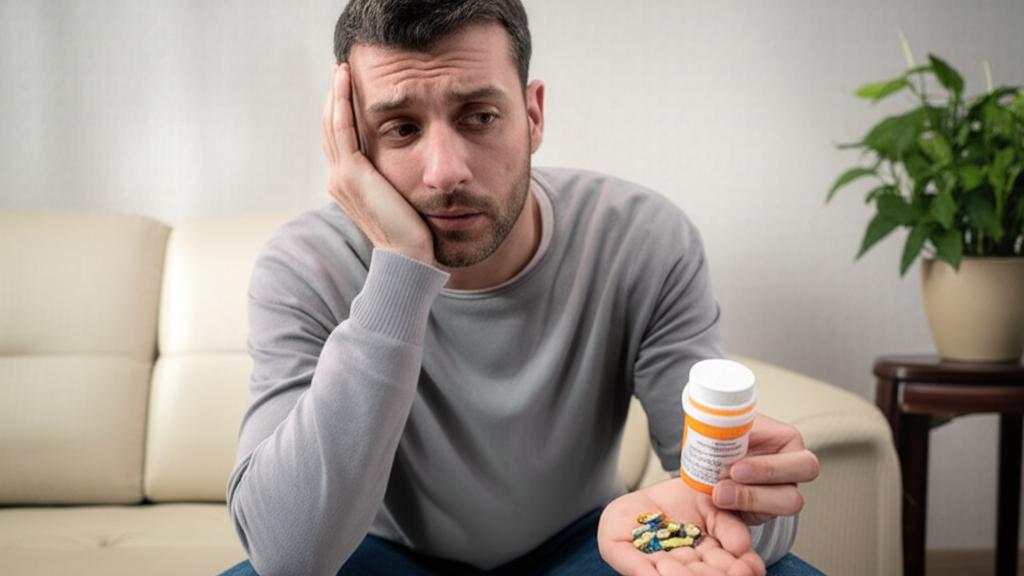
If you live with bipolar disorder, you already know how important it is to take your prescribed medicine every single day. Keeping your daily routine steady helps you stay balanced, focused, and healthy. But have you ever wondered if the vitamins, herbal teas, or over-the-counter supplements you pick up at the local store might be secretly working against your treatment? Many people assume that because a product is sold on a shelf without a prescription, it is completely harmless. Unfortunately, mixing certain natural products with prescription mental health medicines can lead to dangerous health risks, reduce how well your treatment works, or trigger severe side effects.
Navigating life with bipolar disorder requires careful teamwork between you and your doctor. When you add unregulated herbal remedies into your daily routine without medical supervision, you introduce unpredictable chemical reactions into your body. This complete guide will walk you through the most common bipolar medicines, the hidden dangers of mixing them with herbs, and practical steps you can take to protect your health, your peace of mind, and your emotional stability.
Key Takeaways for Your Safety
- Natural and herbal supplements are not regulated like prescription drugs, meaning they can cause powerful and unexpected chemical interactions in your body.
- Popular herbs like St. John's Wort can dangerously lower your prescription medicine levels or trigger a life-threatening condition called serotonin syndrome.
- Sedative herbs like kava and valerian can dangerously increase drowsiness and slow down your breathing when mixed with anti-anxiety or mood-stabilizing medicines.
- Never stop taking your prescribed bipolar medicine and never start a new supplement without first talking to your doctor.
- Always bring every bottle, pill, vitamin, and herbal remedy you take to your next doctor appointment so your care team can review them safely.
BMI Calculator
Know your body mass index (BMI) and weight classification
First, Let's Look at the Main Medicines for Bipolar Disorder
Bipolar disorder is a complex mental health condition marked by extreme shifts in your mood, energy levels, and activity. Sometimes you might experience intense highs, bursts of energy, and racing thoughts, which doctors call mania or hypomania. At other times, you may sink into deep sadness, fatigue, and hopelessness, which doctors call depression. To keep these extreme emotional waves balanced, doctors prescribe specific medical treatments.
Understanding your prescription regimen is the first step toward staying safe. Doctors generally divide these medical treatments into a few key categories depending on your symptoms and overall health history.
| Medicine Category | Common Examples & Clinical Purpose |
|---|---|
| Mood Stabilizers | Lithium is the most famous and long-standing medicine in this category. It helps prevent both manic and depressive episodes by balancing chemical signaling in your brain over many years. |
| Anticonvulsants (Seizure Medicines) | Medicines such as Valproic acid (Depakote), Carbamazepine (Tegretol), and Lamotrigine (Lamictal). Doctors often use these to stabilize fluctuating moods and prevent future relapses. |
| Atypical Antipsychotics | Modern medicines like Aripiprazole (Abilify), Olanzapine (Zyprexa), Quetiapine (Seroquel), Risperidone (Risperdal), and Ziprasidone (Geodon) help control acute manic episodes and support daily emotional balance. |
These prescription options are carefully calculated by your doctor to match your unique brain chemistry. During a manic episode, certain medicines help calm your racing thoughts and impulsive behaviors. During a depressive phase, other specialized treatments help lift your mood and restore your daily energy. Some medicines are also prescribed for long-term maintenance to stop symptoms from returning in the future.
In addition to these core groups, your doctor may sometimes prescribe specialized antidepressants, anti-anxiety medicines, or sleep aids. Because every person responds differently, finding the right balance takes patience, careful lab monitoring, and honest communication with your doctor.
Are Herbs and Supplements Really Safe to Take with Your Medicine?
This is where many people make a dangerous mistake. Because you can walk into a grocery store, pharmacy, or health food shop and buy vitamins and herbal extracts without a doctor's note, it is easy to assume they are entirely safe. Society often teaches us that natural remedies are gentle alternatives to harsh chemical drugs.
Remember this golden rule: Just because something is labeled as "natural" does not automatically mean it is safe for your body, especially when you take prescription psychiatric medicines.
Consider weight-loss supplements that contain plant extracts like ephedra. When someone with bipolar disorder takes these stimulants, it can trigger severe manic symptoms, causing racing thoughts, severe agitation, and complete sleeplessness. Other popular over-the-counter wellness products like DHEA, SAMe, and St. John's Wort can spark similar dangerous shifts, pushing your brain out of its stable zone.
Unlike prescription drugs, herbal products and dietary supplements do not undergo rigorous clinical trials and strict government approval processes before hitting store shelves. This means manufacturers do not always test how these plants react inside a human body that is already processing complex prescription medicines. If a random herb clashes with your bipolar medicine, several alarming things can happen inside your body:
- Internal bleeding or abnormal bruising risks can spike dangerously.
- Your blood pressure can shoot up to unsafe levels or drop so low that you feel dizzy and faint.
- Your liver can suffer chemical stress and tissue damage while trying to process conflicting substances.
- Your heart rhythm can become fast, erratic, or pounding.
- Your prescription bipolar medicine can lose its effectiveness entirely, leaving you unprotected against severe mood swings.
Which Dangerous Herbs Do Not Mix with Bipolar Medicines?
Knowing which common herbs and supplements pose the greatest threat to your stability is vital for your ongoing protection. Let us look closely at specific natural products that often clash with psychiatric treatments.
| Incompatible Herb or Supplement | Interacting Prescription Drugs & Potential Dangers |
|---|---|
| St. John's Wort Often taken for mild mood support and sadness |
|
| Ginkgo Biloba Popularly used to boost memory and focus | Can directly interfere with anticonvulsants like Depakote (Valproic acid), lowering seizure control and destabilizing mood stabilization. |
| Evening Primrose Oil Often used for skin and joint wellness | Can interact unpredictably with seizure medicines like Lamictal, increasing the risk of adverse neurological reactions or lowered seizure thresholds. |
| Kava, Valerian Root, Gotu Kola Often used for calm nerves and sleep | When mixed with anti-anxiety medicines like Xanax, Klonopin, or Valium, they multiply sedative effects, causing extreme drowsiness, impaired motor control, and respiratory suppression. |
Are These the Only Ones?
No, these are only a few prominent examples. Medical research has documented more than thirty common herbal compounds and dietary supplements that can create hazardous drug interactions. Among these, sedatives and antidepressants are the most often compromised. Because doctors often prescribe both sedatives and mood-altering medicines to manage bipolar disorder, adding unregulated herbs creates a game of chemical roulette with your health.
How Can I Know If a Supplement Interacts with My Medicine?
The single best and safest way to find out if an over-the-counter vitamin or herbal tea interacts with your prescription is to talk openly with your doctor. Your doctor studies pharmacology and understands exactly how medicines travel through your liver, bind to your receptors, and affect your brain chemistry.
A smart strategy for your next medical appointment is to gather every single bottle, pill container, vitamin jar, and herbal packet you take at home. Put them all into a bag and bring them directly to your clinic visit. Showing your doctor the physical labels allows them to inspect the exact ingredients, dosages, and active compounds.
Your main goal is to manage your bipolar disorder successfully so you can live a vibrant, meaningful, and stable life. Achieving this goal relies entirely on building a transparent partnership with your medical team. Together, you can design a safe, effective wellness plan that supports your mind without hidden risks.
When to Seek Emergency Medical Attention
If you or someone you know experiences severe, sudden physical or psychiatric symptoms after mixing supplements with medicine, do not wait. Call 911 in the US and Canada, 999 in the UK, or go right away to the nearest hospital Emergency Department (ER / A&E).
- Extreme, uncontrollable drowsiness or sudden loss of consciousness.
- Severe difficulty breathing or shortness of breath.
- High fever, rigid muscles, confusion, and hallucinations (signs of potential serotonin syndrome).
- Rapid, pounding heartbeat, chest pain, or dangerously high blood pressure.
Comparison of Safe Practices vs. Risky Habits
| Safe Practices (Do This) | Risky Habits (Avoid This) |
|---|---|
| Bring all current medicine and supplement bottles to your doctor appointments. | Starting new herbal teas or vitamins without telling your care team. |
| Consult your psychiatrist or pharmacist before buying over-the-counter wellness products. | Assuming that "natural" plant products are automatically safe to mix with drugs. |
| Take your prescribed bipolar medicines exactly as scheduled every single day. | Stopping your prescribed treatment because you feel better or want a natural alternative. |
💡 Take-Home Message
- Never stop taking your prescribed bipolar medicines on your own. Maintain your exact dosing schedule as directed by your doctor.
- Disclose every herbal remedy, vitamin, mineral supplement, and over-the-counter product you use to your doctor without exception.
- Never assume that a product labeled as natural or herbal is safe to combine with complex psychiatric medicines.
- Always consult your doctor before introducing any new supplement into your daily routine.
- Bring all your current medicine and supplement packages directly to your clinic visits for a thorough safety review.






No comments yet. Be the first to share your question or experience below.