
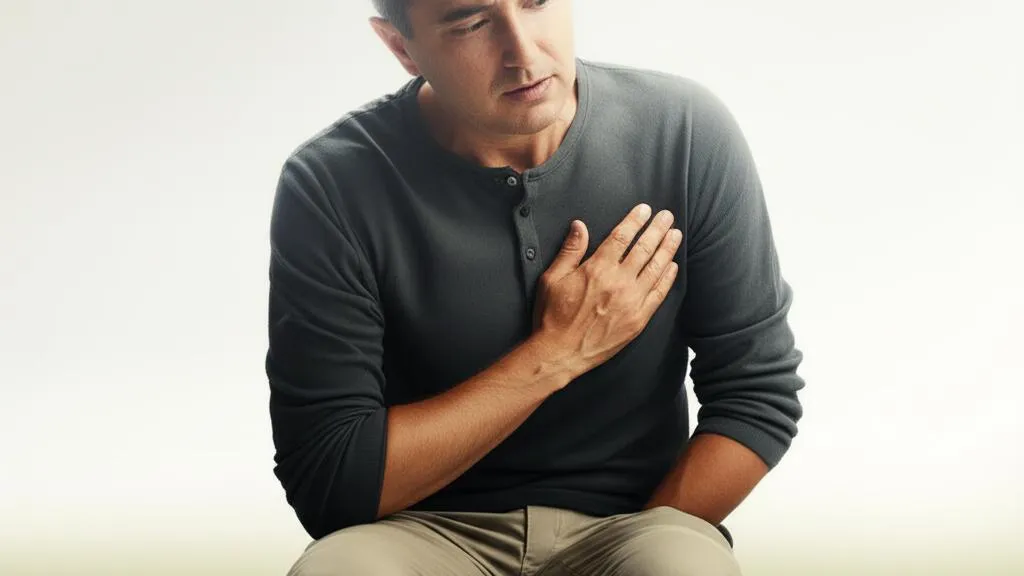
When you hear about breast cancer, you likely think it only happens to women. Many people believe this because breast cancer is much more common among females. However, the surprising truth is that men can get breast cancer too.
While this diagnosis is rare in men, it is still important to understand how it happens. Every man has a small amount of breast tissue in his chest area. Because these cells exist, abnormal cell growth can sometimes happen there.
Learning about the signs and symptoms helps you stay informed and prepared. If you ever notice an unusual change in your chest, you can talk to your doctor right away. Getting early medical advice helps you find out if a sign is serious or just a harmless issue.
Key Takeaways: What You Need to Know
- Men have breast tissue, meaning male breast cancer is rare but entirely possible.
- Painless lumps, skin dimpling, and nipple changes are key warning signs to watch for.
- Many chest lumps in men are caused by harmless conditions like gynecomastia or infections.
- Early detection saves lives, so never ignore unusual symptoms out of embarrassment.
Understanding Male Breast Cancer
Breast cancer in men happens when abnormal cells in the chest tissue start to grow out of control. These cells can form a tumor that may spread to nearby tissues or other parts of the body if left untreated. Even though less than one percent of all global breast cancer cases occur in men, awareness remains vital.
Men often do not think about breast cancer during routine health checks. Because of this lack of awareness, men are often diagnosed at a later stage than women. Knowing what to look for changes that pattern and ensures you seek help promptly.
What Are the Signs and Symptoms?
The warning signs of male breast cancer share many similarities with those seen in women. Recognizing these physical changes early gives you the best chance of successful treatment. Here are the primary signs you should know.
Chest Lumps: Most men with breast cancer notice a hard, firm lump in their chest or underarm area. The most important thing to remember is that these lumps are usually painless. Do not assume a lump is safe just because it does not hurt.
Breast Tissue Changes: You might notice a visible change in the size or shape of your chest area. One side may look different from the other, or you might feel a generalized thickening under the skin.
Skin Changes: The skin over your chest can undergo noticeable changes when cancer develops underneath. Look out for the following skin signs:
- Skin that pulls inward, creating a pitted texture that looks similar to an orange peel.
- Skin that looks puckered, wrinkled, or pulled tight in one specific spot.
- Redness, swelling, or a scaly texture on the surface of the chest skin.
Nipple Problems: Your nipple can also show clear signs of trouble. It might start turning inward rather than pointing outward. You might also notice a clear or bloody discharge coming from the nipple.
The skin surrounding the nipple, known as the areola, can also change. It might become red, swollen, flaky, or irritated.
Overall, the physical warning signs of breast cancer look remarkably similar across both male and female patients.
When Should You See a Doctor?
If you notice any of the warning signs listed above, do not wait. Schedule an appointment with your doctor right away. Taking quick action is one of the most powerful steps you can take for your health.
When you visit your doctor, they can perform simple tests to find the exact cause of your symptoms. Finding a problem early makes medical treatments much more successful. Waiting too long allows the condition to advance and become harder to treat.
Some men feel embarrassed or awkward about discussing breast health. It is completely normal to feel this way at first. Remember that doctors evaluate these issues every day. There is nothing to feel ashamed of, and your health is far more important.
Always tell your doctor if anyone in your close family has a history of breast cancer. Genetic factors and family history can increase your risk. Sharing this information helps your doctor assess your situation accurately.
Keep in mind that finding a symptom does not automatically mean you have cancer. Male breast cancer is extremely rare, especially if you are under sixty years old. Many other common, non-cancerous conditions cause similar chest changes.
When to Call Emergency Services (Red Flags)
Most breast symptoms do not require emergency care, but certain situations need immediate medical attention:
- Severe, sudden chest pain accompanied by shortness of breath or dizziness (call 911 in the US/Canada or 999 in the UK).
- Rapidly spreading redness, severe swelling, and high fever indicating a severe systemic infection.
- Heavy bleeding from the nipple area that does not stop with gentle pressure.
If It Is Not Cancer, What Else Could Cause This?
Discovering an unusual lump or change in your chest can cause immediate worry. However, several non-cancerous medical conditions produce very similar symptoms. Reviewing these common alternatives helps put your mind at ease while you arrange a checkup.
| Medical Condition | Simple Explanation |
|---|---|
| Gynecomastia | Enlargement or swelling of male breast tissue caused by hormone imbalances. Often feels like a small firm disk under the nipple. |
| Infections and Abscesses | Bacterial infections that cause localized pain, swelling, warmth, and pus-filled pockets beneath the skin. |
| Lipoma | A harmless, soft lump made of fat cells that sits just beneath the skin and rarely causes pain or other symptoms. |
| PASH | Pseudoangiomatous stromal hyperplasia is a benign breast condition that can create a firm, rubbery lump. |
| Granular Cell Tumor | A generally non-cancerous, painless growth that can appear as a single solid lump in the tissue. |
| Jogger's Nipple | Irritation caused by clothing rubbing against the nipple during physical exercise, leading to redness and soreness. |
| Mastitis | Inflammation of the breast tissue resulting in significant tenderness, redness, and localized swelling. |
| Skin Rashes and Eczema | Dermatological conditions like eczema or yeast infections that cause red, itchy patches on the chest skin. |
Because so many different conditions can cause these exact symptoms, you cannot diagnose yourself at home. Only your doctor has the medical training and tools needed to determine the true cause. Avoid guessing and seek professional medical guidance instead.
💡 Take-Home Message
- Breast cancer is not just a women's health issue. Rare cases do occur in men.
- If you find a new chest lump, skin change, or nipple discharge, do not delay seeing a doctor out of embarrassment.
- Early medical evaluation and diagnosis give you the highest chance of successful treatment.
- Most chest symptoms stem from non-cancerous issues like hormonal shifts or infections rather than cancer.





No comments yet. Be the first to share your question or experience below.