

If your loved one is undergoing treatment for cancer, you may feel like taking care of them is a big responsibility in your life. It is a very loving relationship. Words cannot express how much your help means to them at this time. But it is also very important to provide that help when they need it, in a way that they want. So, today we will talk about some very simple, practical tips that will help make your loved one's daily routine easier during this difficult time.
Let's help keep it clean and tidy.
When women undergoing cancer treatment think about their appearance, they feel a lot more mentally strong and confident. Even if they stay in bed all day, if they want, you can put on some makeup and help them with their hair. Keep the cosmetics, creams, and powders they use close by.
If you are a man, it is safer to use an electric shaver when shaving. Some aftershaves contain alcohol, which can be harmful to the skin and cause irritation. Therefore, it is best to avoid them.
It is especially important to take great care of your oral health when undergoing chemotherapy, as there is a high risk of infection.
To help you with this, the information in the table below will be very important.
| Tips for oral health | Description |
|---|---|
| Brushing teeth | Remember to brush your teeth after every meal. This can help prevent infections. |
| Things to use | Provide a very soft-bristle toothbrush, waxed dental floss, and a fluoride toothpaste that does not contain whitening or bleaching agents. |
| If your gums are bleeding | If you have low platelet levels and bleeding gums, be sure to talk to your doctor about flossing. |
| Homemade mouthwash | Mix 1/2 teaspoon of baking soda in a cup of water and rinse your mouth after brushing your teeth. Store-bought mouthwashes contain chemicals like alcohol, which can damage the delicate membranes in your mouth. |
Keep these things in mind when washing your body
If you are bathing with them, keep the water temperature comfortable and soothing for them. Be gentle and slow when washing your body. Do not rub too hard. When drying your body, pat it dry gently with a towel.
Dry skin can be a side effect of treatment. So, after bathing and at other times of the day, apply a water-based cream to your body. Let them do it themselves if they can, but help them with areas that they can't reach. If they're losing hair due to treatment, their scalp can be very sensitive. So, let them use a mild shampoo and a soft comb .
Clothing and other practical things
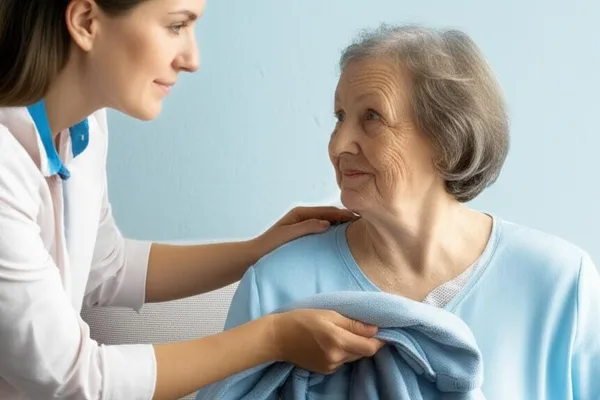
During treatment, they may become thin and lose weight. If this happens, have their bed clothes made to fit them properly. Or, consider buying them some new clothes to wear during this time. If their skin is dry and cracked, let them wear clothes made of soft fabrics like cotton . Avoid tight, uncomfortable clothing. If you are going outside, make sure to wear sunscreen and a hat to protect yourself from the sun.
Let's take care of food and drink.
It is very common for a person to lose their appetite during treatment. Don't worry about it. In such cases, try to give them a large meal when they are most hungry . Many people have their appetite best in the morning. Alternatively, instead of three large meals, give them five to six small meals a day.
Keep liquid meal replacements handy for when you can't eat. They love soft, cold foods like protein milkshakes and popsicles. On days when they don't eat, give them plenty of fluids . These include soups, fruit juices, sports drinks, and decaffeinated teas. Always keep a bottle of water nearby.
Keep food close to them so they can grab it whenever they feel like eating. For example, keep a small snack like applesauce or pudding with a spoon by the bed.
| Ways to add protein to meals | |
|---|---|
| Vegetables and eggs on top | Sprinkle some cheese. |
| When making hot porridge and soups | Use milk instead of water. |
| For beverages | Add a little nonfat instant dry milk. |
Let's help you get through the day and stay active.
Whenever possible, take short walks with your partner. This can help reduce sleep problems, mood swings, fatigue, and many other side effects. If you need to stay in bed, help your partner do the exercises recommended by your medical team .
Teach them things like deep-breathing exercises to help manage the stress and anxiety that comes with cancer. Listening to music and spending time with loved ones are also good ways to reduce stress.
Help them create a daily routine that balances rest and activity. Plan important activities around the times they have the most energy . This way, they can save their energy for the things they enjoy doing the most. They won't be able to do everything they want to do during treatment, but they can still have a social life. If they want, plan things like going to see friends or bringing them home.
Take-Home Message
- When helping your loved one, give them the feeling that things are happening the way they want them to, and under their control. That's very important for their self-confidence.
- Things like loss of appetite, skin changes, and fatigue are a normal part of treatment. Be patient and understanding.
- Take special care of your oral health. In case of a problem like bleeding gums, always consult your doctor before doing anything.
- Their mental well-being is as important as their physical well-being. Simple things like talking to loved ones and listening to music can provide great comfort.
- With all of this, take care of yourself too. Only if you can stay strong can you best help your loved one.




💬 Comments (0)
No comments yet. Be the first to share your thoughts here.
Add Your Comment